- Home
- Pest Control
- Cockroach Control
German and oriental roaches, ended properly
Cockroach control that outlasts the egg cases
One roach seen in daylight usually means hundreds behind the wall. German roaches breed faster than any spray can chase, which is why real control is a baiting program timed to their egg cycle, not a one-night knockdown. We treat, we come back on schedule, and the population actually ends.
Call (217) 207-0945 Browse our services
- Gel baits and growth regulators
- Follow-up timed to the hatch cycle
- Same-day response on heavy activity
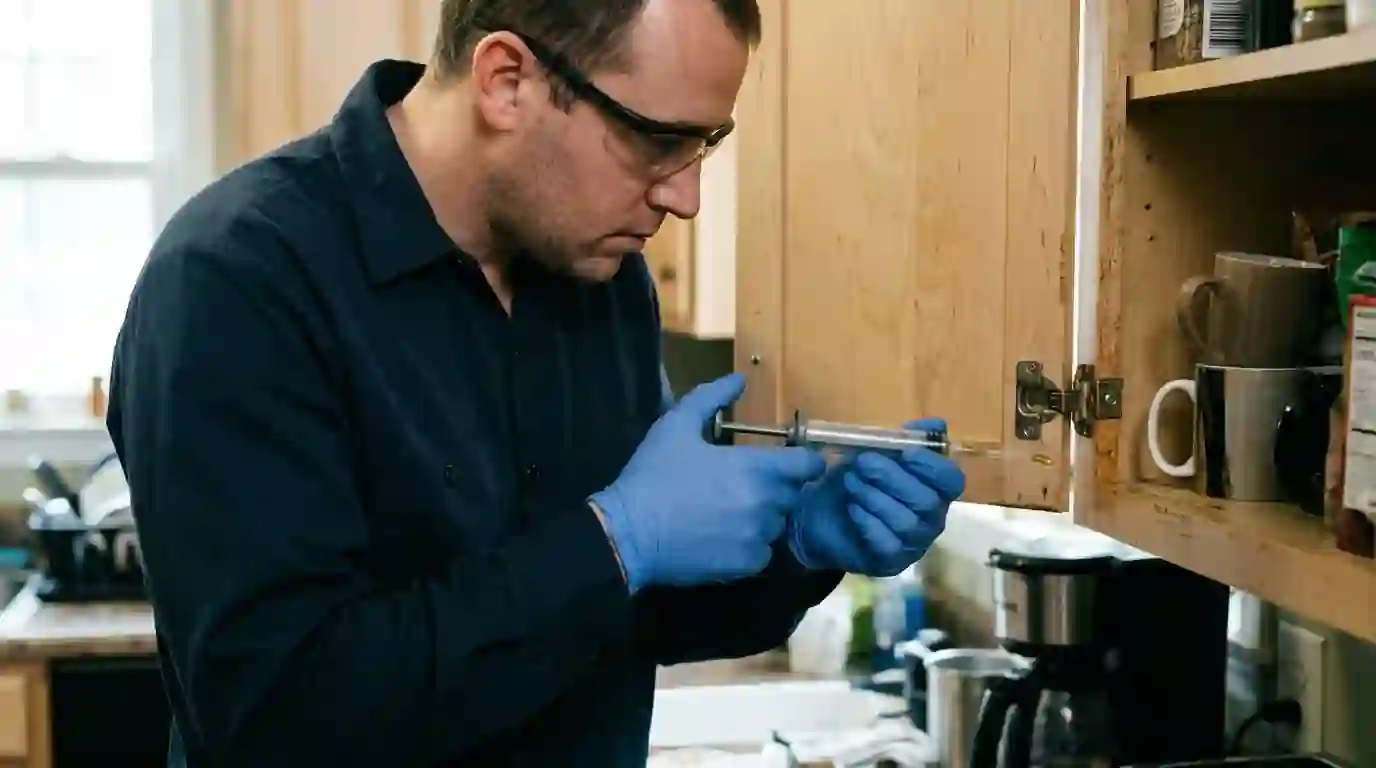
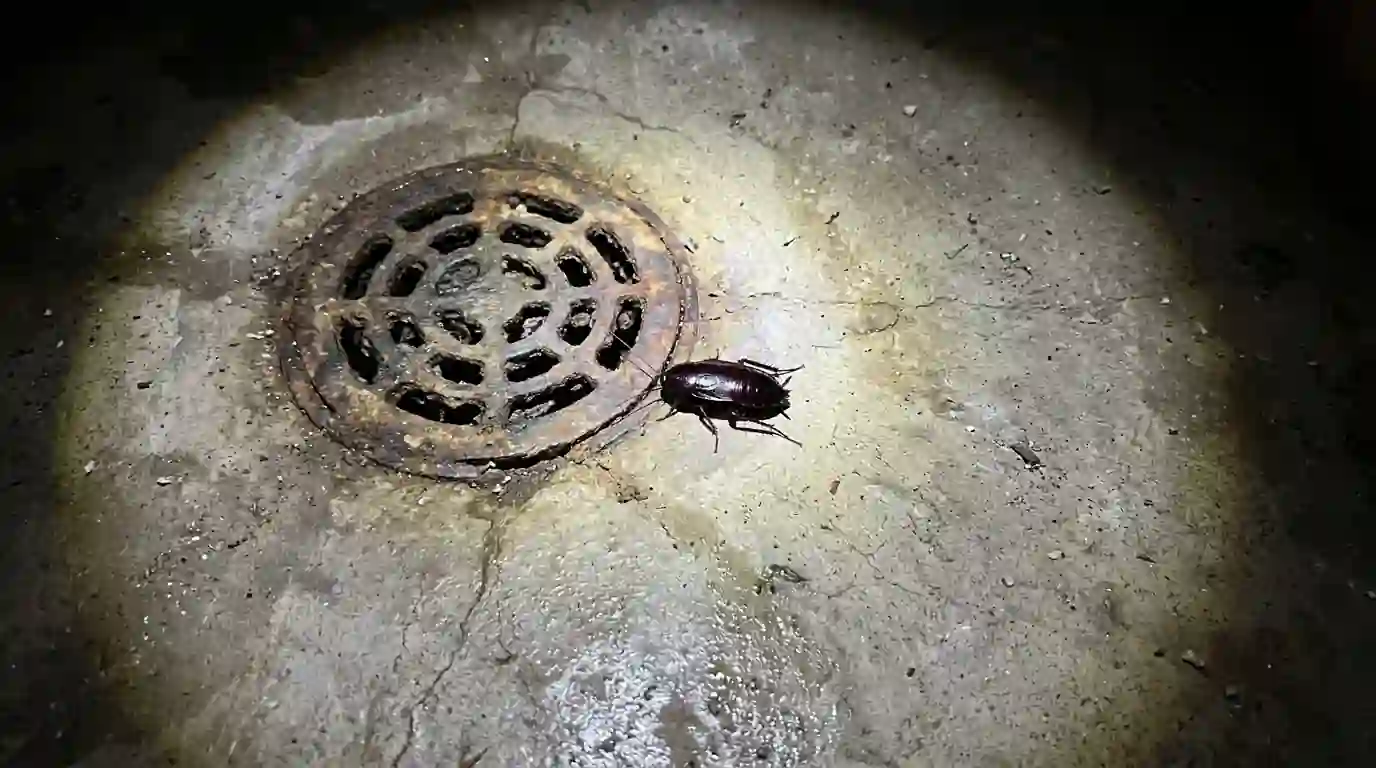
Cockroach control here means two different jobs. German roaches, the small tan ones in kitchens and baths, need an indoor baiting program with insect growth regulators and a scheduled follow-up, because egg cases already laid keep hatching for weeks after the first visit. Oriental roaches, the big dark ones from drains and basements, need exterior and entry-point work. Both start with a call where you describe what you are seeing, and both get honest timelines rather than one-visit promises.
What this covers
Why baiting beats bombing
Foggers and shelf sprays fail against German roaches for a simple reason: they scatter survivors deeper into voids and do nothing to the egg cases, each of which carries thirty to forty young. Our program places gel baits in the cracks, hinges and voids where roaches actually harbor, pairs them with a growth regulator that stops nymphs maturing, and schedules the follow-up for when the surviving eggs hatch into a world that is still lethal.
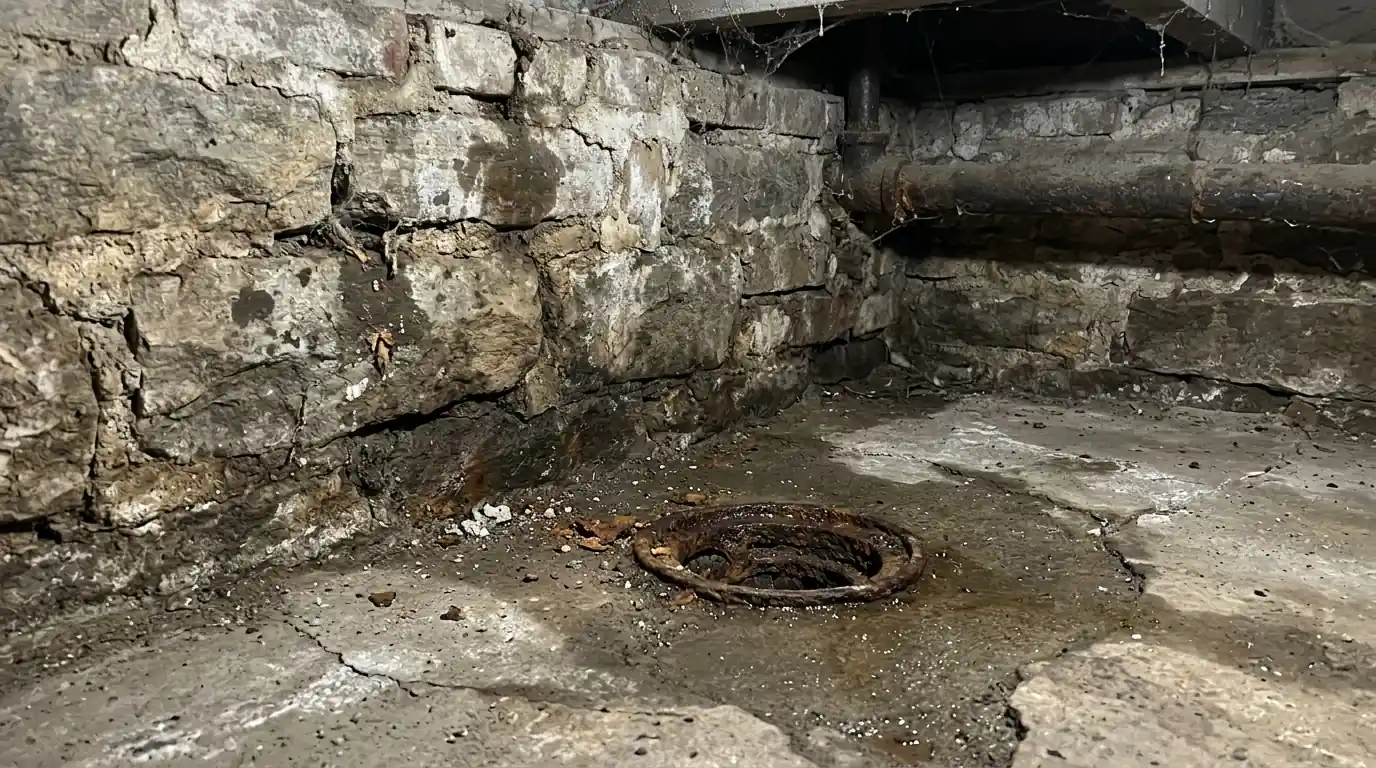
Oriental roaches are the other Belleville roach, coming up from floor drains, sumps and damp basements, especially in older homes. They are treated at the sources: drain lines, basement perimeters, crawl spaces and the exterior routes they travel. Mistaking one species for the other wastes the first visit, which is why identification is the first thing we do.
Worth catching early
Signs the population is established
Daylight sightings
Roaches are nocturnal; seeing them in daylight means harborage is crowded and the population is large.
Pepper-like droppings
Specks in cabinet corners, drawer tracks and along hinges mark the harborage zones a treatment must hit.
Egg cases in crevices
Small brown capsules glued in hinges and gaps are the next generation already scheduled.
A musty, oily odor
Established German roach populations produce a smell most people notice only after it is gone.
Activity near appliances
Warm motor housings under fridges and dishwashers are prime harborage; sightings there date the problem back months.
Neighbors treating
In duplexes and apartments, a neighbor's treatment pushes roaches through shared walls; timing matters.
How we match the job
The roach jobs we actually run
- 01
German roach kitchen programs
The intensive one: baiting, growth regulator, follow-up on the hatch cycle, and prep guidance that makes the bait win.
- 02
Oriental roach and drain work
Basement, drain and exterior treatment for the big dark roaches old foundations produce.
- 03
Apartment and multifamily sweeps
Adjacent-unit treatment blocks, because single-unit roach work in shared buildings pushes rather than solves.
- 04
Restaurant and kitchen accounts
Audit-ready food service programs on their own page, with monthly cadence and documentation.
- 05
Post-move-in response
Roaches that arrived in boxes and used appliances, caught early while the population is still one room wide.
How a visit runs
How the program runs
- Species confirmation
German or oriental, decided by evidence before a product is chosen.
- Harborage mapping
Droppings, egg cases and sightings mark where the bait must go.
- Baiting and IGR placement
Gel in the cracks and hinges, growth regulator across the zone, nothing broadcast.
- Scheduled follow-up
Timed to the hatch cycle, refreshing bait where feeding shows.
- Verification
Monitors confirm silence before we call it done, and the prep habits that keep it that way are left in writing.
Timeline
The honest timeline
German roach activity drops hard within the first week of baiting, but egg cases laid before treatment hatch for three to four weeks, which is exactly when the scheduled follow-up lands. Light infestations resolve in one cycle; heavy, long-established kitchens take two. Oriental roach work shows results in days once the drains and entry routes are treated. Anyone promising total elimination in one visit is describing a species that does not live here.
Local conditions
Why this matters in Belleville
Belleville's housing splits the roach problem in two. The pre-1940 homes and converted buildings around downtown carry the damp basements, floor drains and stone foundations that oriental roaches work up from, while German roaches ride in the way they do everywhere: cardboard, used appliances, and shared walls in multifamily buildings. The county's older rental stock keeps both species in circulation, and summer humidity gives orientals their strongest season. Species decides the method here more than severity does.
Pricing, plainly
What moves the price
Roach work is quoted by species and extent on the phone. The drivers:
- Species, since German programs include a scheduled follow-up and orientals lean exterior
- How established the population is, read from droppings and daylight activity
- Kitchen count and harborage density in the treatment zone
- Shared walls in duplexes and multifamily buildings that widen the honest scope
- Drain and basement sources for oriental work
- Growth regulator coverage across the program
- Whether the home goes onto a plan after knockdown
Figures referenced are published national ranges for context, not our quote. We price your job on the phone and confirm on site before any work starts.
On your side
What makes the bait win
- Clear counters of food and wipe grease; bait must be the best meal in the kitchen
- Do not spray store products before or after; repellents contaminate bait placements
- Empty cabinet corners where droppings show so placements reach the harborage
- Fix the drip under the sink; German roaches need water nightly
- Take trash out nightly during the program
- Keep pet food up overnight
- Leave the small gel placements undisturbed, even when roaches feed at them openly
Before you call
Questions we hear about this work
Bait draws harborage out to feed, and growth regulators flush erratic behavior. A visible first week is the program reaching the population, and the silence that follows is the result.
Placements are pea-sized, set inside cracks, hinges and voids rather than open surfaces, with far less active ingredient than any shelf spray. We show you each placement before leaving.
Only the cabinets where evidence shows, and we tell you which on the phone. Full tear-outs are rarely necessary and often counterproductive.
German roaches arrive by hitchhiking, not by judgment: cardboard, appliances, shared walls. Sanitation decides how fast they grow, not whether they arrive.
A single big dark roach near a drain is usually an oriental wanderer and a drain-and-entry job. Small tan roaches in a kitchen are German and never singular. Describe it and we will tell you which call it is.
For orientals, often yes. For German roaches we will not sell a program we know fails; the follow-up is where elimination actually happens, and it is in the price from the start.
They actively hurt: scattered survivors, contaminated surfaces that repel bait, and the same egg cases hatching on schedule. Leave it to the program.
Nearby problems
Jobs that often ride along
Restaurant & Food Service Pest Control
Apartment & Multifamily Pest Control
Ant Control
Silverfish & Occasional Invader Control
Residential Pest Control
Booked most weeks in: Clinton County, Washington County, Randolph County, Old Belleville, and the rest of our six-county area.
One call does it
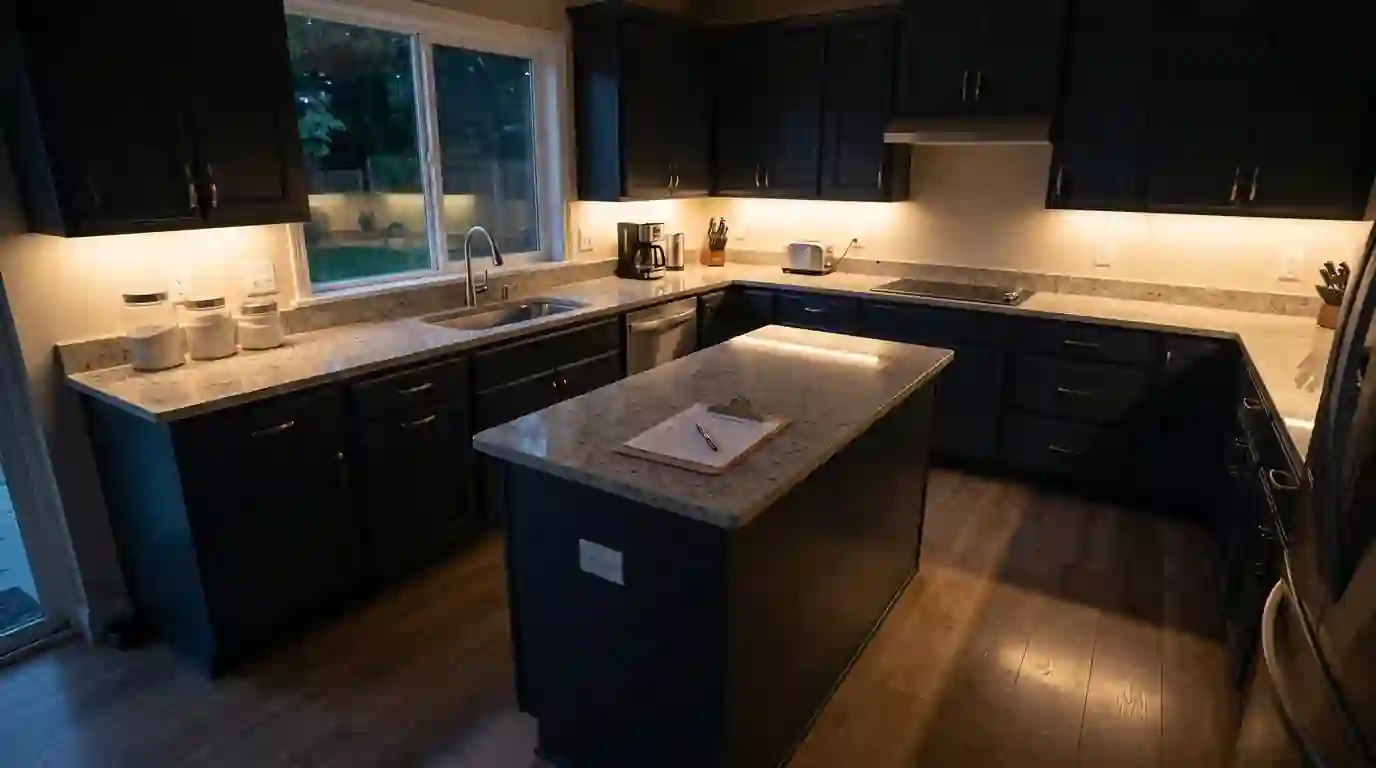
Describe what you are seeing in the kitchen
Size, color and where they show up tells us the species and the program; the real timeline and price come on the same call.
(217) 207-0945Answered 24/7, every day