- Home
- Pest Control
- Mosquito Control
Your yard back, April through October
Mosquito control that treats where they rest and breed, not the open air
Mosquitoes spend their days resting in shaded foliage, and that is where we hit them. Fogging the open air kills the evening's fliers and nothing else; barrier treatment on the leaf undersides, dense shrubs and shaded structures where they wait kills them for weeks. Add breeding-site work and the yard changes for the season.
Call (217) 207-0945 Browse our services
- Barrier on resting foliage, not open air
- Standing-water sources found and fixed
- Monthly in-season or event service
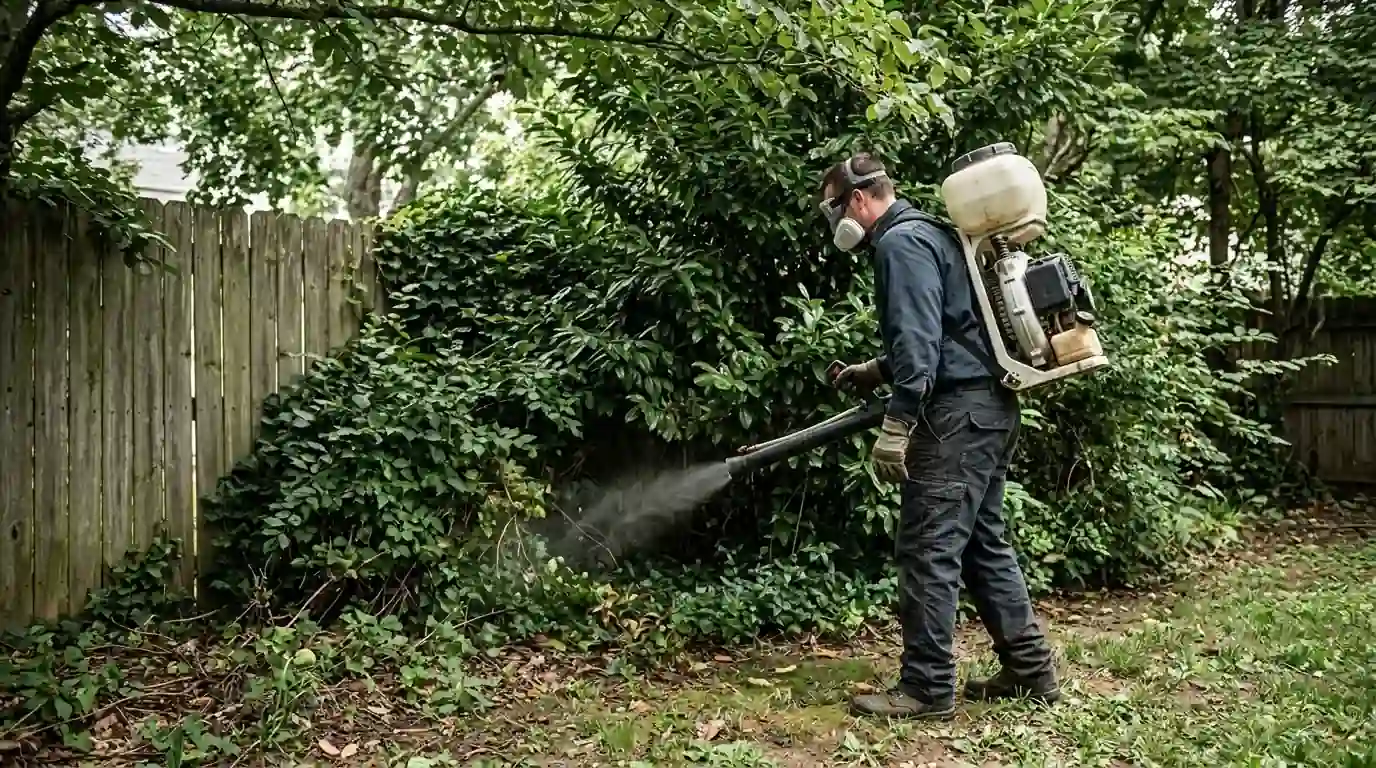
Mosquito control pairs two jobs. Barrier treatments coat the resting sites, shaded foliage undersides, dense shrubs, under-deck zones and fence-line vegetation, with a residual that kills mosquitoes landing there for roughly three to four weeks, which sets the monthly in-season cadence. Breeding-site work finds and ends the standing water producing them: gutters, saucers, tarps, buckets, low spots and the neglected items every yard hides. Programs run April through October here, with single-event treatments available before parties and gatherings.
What this covers
Resting sites and breeding water, together
Adult mosquitoes are ambush loafers: active at dawn and dusk, hiding through the day on the cool, humid undersides of leaves and in dense shade. The barrier application mists exactly those surfaces, shrub lines, ivy, under decks, the shaded sides of structures, leaving a residual that keeps killing resters between visits. It is why treated yards stay usable for weeks while fogged yards reload overnight.
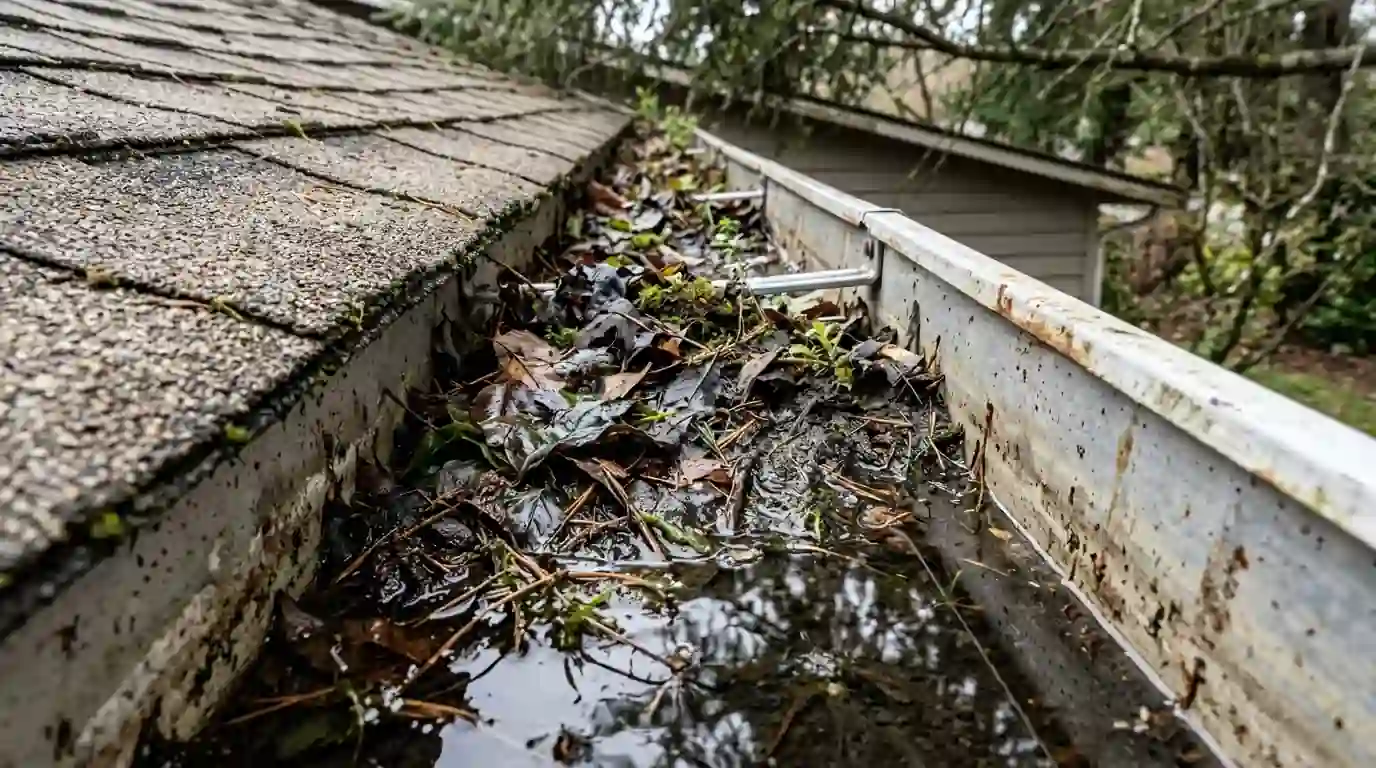
Breeding-site elimination is the multiplier. A single forgotten bucket breeds hundreds of mosquitoes weekly, and the container species that bite ankles at dusk rarely travel far from where they hatched, meaning your worst mosquitoes are usually home-grown. Every visit includes the water audit: gutters, plant saucers, toys, tarps, tire ruts, the clogged downspout extension, with larvicide dosed into the water that cannot be dumped, like drains and ornamental features.
On your side
The weekly five minutes that helps most
- Tip and toss anything holding water after each rain: saucers, toys, lids, folds of tarp
- Refresh birdbath water twice a week
- Clear gutters and keep downspout extensions draining away
- Fix the low spot or rut that holds water for days
- Keep grass cut and dense beds thinned where you can
- Run a fan on the patio at gatherings; mosquitoes are weak fliers and fans beat candles
- Tell us about the neighbor's pool or junk pile; sources off your lot still shape your plan
How we match the job
Programs for how you use the yard
- 01
Seasonal monthly program
April through October barrier visits on the three-to-four-week residual cycle, the standard for family yards.
- 02
Event treatments
A barrier application one to two days before the wedding, graduation or barbecue, with the water audit included.
- 03
Heavy-shade and creekside intensives
Tighter cadence for the wooded, low and waterside lots that breed their own weather.
- 04
Water-feature management
Larvicide programs for ponds, fountains and rain barrels that keep the feature and lose the larvae.
- 05
Tick-and-mosquito combined service
The two edge treatments share visits and zones; bundling them is the efficient version of both.
Local conditions
Why this matters in Belleville
The Metro East summer is mosquito infrastructure: humidity, heat, mature shade, and the Mississippi floodplain's creeks and low ground to the west of town. Belleville's older neighborhoods add deep tree canopies and a century of gutters, while Richland Creek and the stormwater network thread wet corridors through the map. Illinois runs public surveillance for West Nile virus every season, which is reason enough to take the backyard population seriously. Season here reliably runs April into October, and the home-grown container breeders are the share you can actually control.
How a visit runs
How a visit runs
- Resting-site survey
The shade lines, dense plantings and under-structure zones mapped on arrival.
- Water audit
Every container, gutter, low spot and feature checked; the dumpable dumped.
- Barrier application
Foliage undersides and resting surfaces misted with the residual that lasts weeks.
- Larvicide placement
Dosed into the water that stays: drains, features, barrels.
- Cadence confirmation
The next visit set to the residual cycle, and the homeowner water list left in writing.
Pricing, plainly
What moves the price
Mosquito service quotes by yard character rather than lot size alone. The drivers:
- Vegetation density, since resting-site footage is what gets treated
- Monthly seasonal program against single event treatments
- Shade and moisture level of the lot, which set reload pressure
- Water features needing ongoing larvicide management
- Creekside, pond-adjacent and low-ground intensives
- Bundling with tick edge service on shared visits
- Published context: professional mosquito treatments nationally commonly run in line with general service-visit ranges per application
Figures referenced are published national ranges for context, not our quote. We price your job on the phone and confirm on site before any work starts.

Before you call
Questions we hear about this work
Three to four weeks on the foliage it coats, weathering with heavy rain, which is exactly why the seasonal program runs monthly and why we time event treatments one to two days ahead.
The application targets shaded resting foliage, not flowering plants, and re-entry is once it dries. Keeping product off blooms and open lawn is built into the method; your vegetable garden gets flagged and skipped.
The targeted-surface approach spares most non-resting insects, and we deliberately skip blooms and open areas. No honest company claims zero bycatch; minimizing it is a placement discipline we take seriously.
Container-breeding species rest within yards of where they hatched, so dusk ankle-biters usually point to water within your own fence line. The audit finds it embarrassingly often in a gutter or a saucer.
A day or two ahead is better, letting the residual set and the knockdown settle. Call with the date and we schedule backward from it.
For an evening, somewhat; by morning the yard reloads from untreated resting sites and the breeding water nobody found. The difference between fogging air and treating surfaces is the whole service.
Illinois tracks it every season and the region records activity most years; it is the practical argument for managing the backyard population rather than tolerating it. Reducing bites is the entire prevention strategy available to a household.
Nearby problems
Jobs that often ride along
Read first: Mosquito season in the Metro East: when it starts and when it peaks.
Booked most weeks in: East Belleville, Dutch Hollow, Royal Heights, O'Fallon, and the rest of our six-county area.
One call does it
Get the yard on the season's schedule
Shade, water and how you use the yard; three answers on the phone and the program and price are set.
(217) 207-0945Answered 24/7, every day