- Home
- Pest Control
- Bed Bug Treatment
Confirmed first, then treated to zero
Bed bug treatment with confirmation first and follow-up built in
Half the bed bug calls we take are not bed bugs. Carpet beetles, bat bugs and anxiety all imitate them, and treatment without confirmation wastes your money on the wrong war. When it is confirmed, you get a real program, heat or chemical, matched to your home, with the follow-up that reaches the eggs built into the price.
Call (217) 207-0945 Browse our services
- Inspection and confirmation first
- Heat and chemical programs both offered
- Follow-up visit included, not sold separately
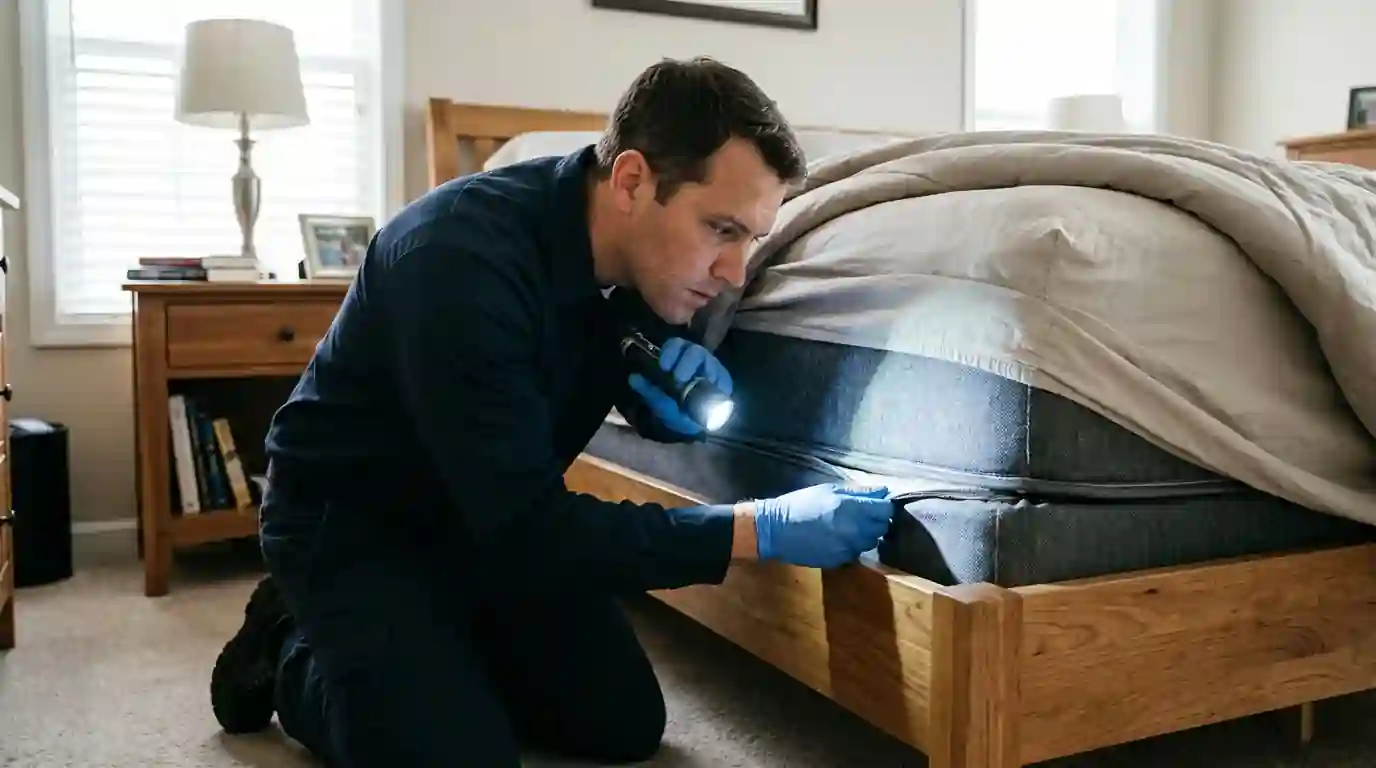
Bed bug treatment starts with confirmation: live bugs, cast skins, or the black fecal spotting along mattress seams and frame joints. Confirmed infestations get one of two programs. Heat treatment raises the rooms to lethal temperature and kills every stage including eggs in one day; published national pricing runs one to three dollars per square foot. Chemical programs treat seams, frames and harborage across two to three visits spaced for the egg hatch, at roughly $300 to $500 per room nationally. We quote your actual number after the inspection, and the follow-up is in it.
What this covers
Heat and chemical, honestly compared
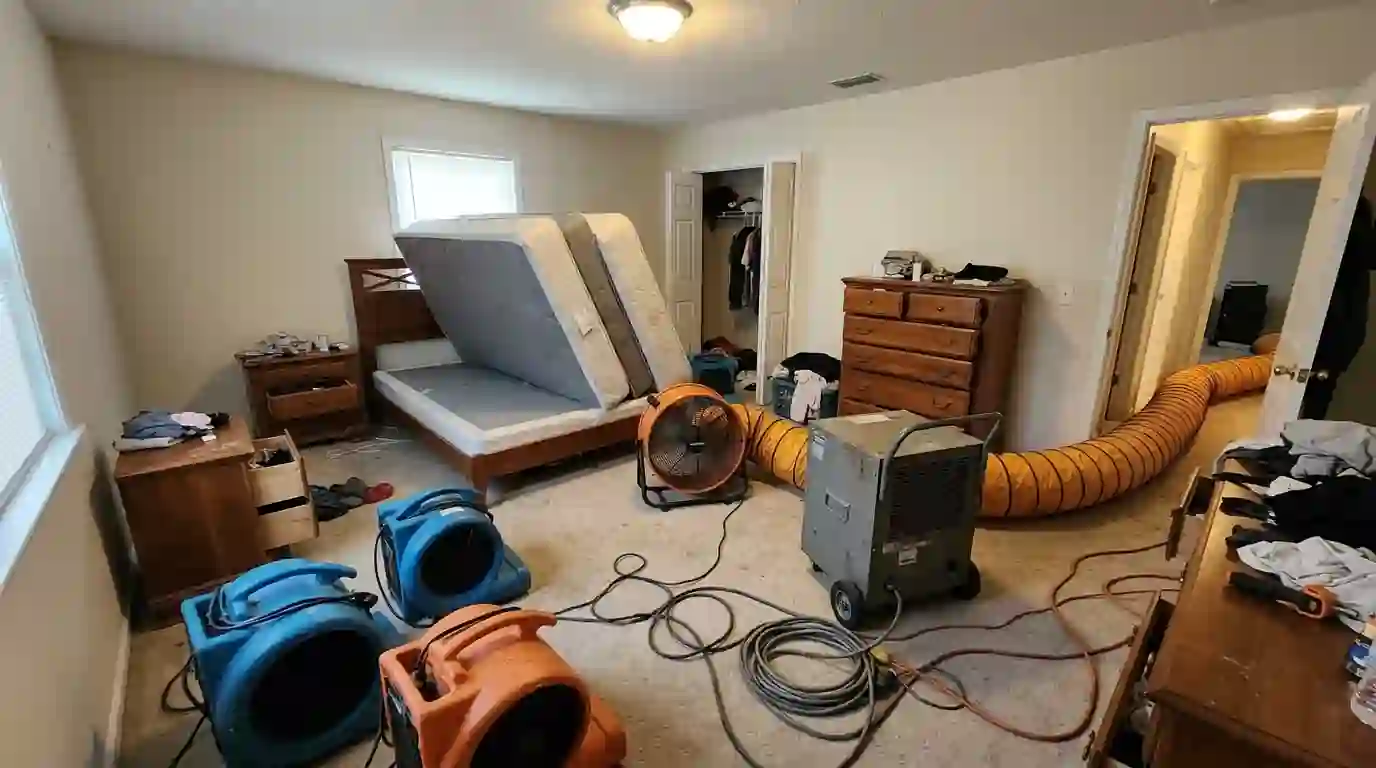
Heat is the one-day answer. Equipment raises the treated space past the lethal threshold and holds it while fans drive the temperature through mattresses, furniture and wall voids; every life stage dies the same afternoon, eggs included, with nothing applied to your bedding. It costs more, needs electrical logistics, and is the right call for heavy infestations, cluttered rooms and anyone who needs it done now.
Chemical programs win on cost and precision. Seams, frames, baseboards and harborage get treated with materials bed bugs cannot resist crossing, encasements go on the mattresses, and the second visit lands ten to fourteen days later, timed for eggs that hatched after visit one. It takes two to three weeks start to finish and asks more prep of you; done properly, it reaches the same zero. We will tell you which program your situation actually argues for.
Worth catching early
Evidence that confirms, and what fakes it
Black spotting on seams
Ink-dot fecal marks along mattress piping and frame joints are the most reliable sign there is.
Cast skins in crevices
Translucent shed shells in seams and screw holes mark growing nymphs.
Live bugs at the frame
Apple-seed sized, flat, reddish brown, hiding within feet of where you sleep.
Bites in lines on waking
Suggestive but never conclusive; mosquitoes, fleas and dermatitis all fake this one.
Blood flecks on sheets
Small smears from crushed bugs after feeding, worth a seam check the same morning.
What fakes it
Carpet beetle larvae, bat bugs from an attic colony, and spider beetles fool phone cameras weekly; the inspection exists to sort them.
How we match the job
How the program fits the situation
- 01
Whole-home heat treatment
One-day lethal heat through the affected rooms; published whole-house figures nationally run $2,500 to $5,000, and ours is quoted to your square footage.
- 02
Multi-visit chemical program
Two to three treatments spaced for the hatch cycle, with encasements; the cost-effective route for light and moderate finds.
- 03
Single-room response
Early catches confined to one bedroom, treated and verified before they become a hallway problem.
- 04
Multifamily protocols
Confirmed units treated with adjacent-unit inspections, the only honest standard in shared buildings.
- 05
Post-travel and post-guest checks
Inspection-only visits that settle the question for fifty dollars of worry instead of a thousand of guesswork.
How a visit runs
How a confirmed job runs
- Inspection and confirmation
Seams, frames, headboards and interceptors read; look-alikes ruled out before money moves.
- Program selection
Heat or chemical argued honestly for your rooms, your timeline and your budget.
- Prep with a real checklist
A short list that matters, not a punishing one; we would rather you do five things right.
- Treatment
The heat day, or chemical visit one with encasements installed.
- Follow-up and verification
The hatch-window visit for chemical jobs, and interceptor monitoring to a silent two weeks for both.
Timeline
Timelines by program
Heat ends it in one day, with rooms habitable the same evening once equipment clears. Chemical programs run two to three weeks: knockdown at visit one, the hatch window, then the follow-up that catches emerged nymphs; sleeping in the treated room continues throughout, encased and protected. Verification for both is the same: interceptor monitors under the bed legs reading silent for two weeks. Confirmed active jobs get scheduled with priority, usually within a day or two of the inspection.
Local conditions
Why this matters in Belleville
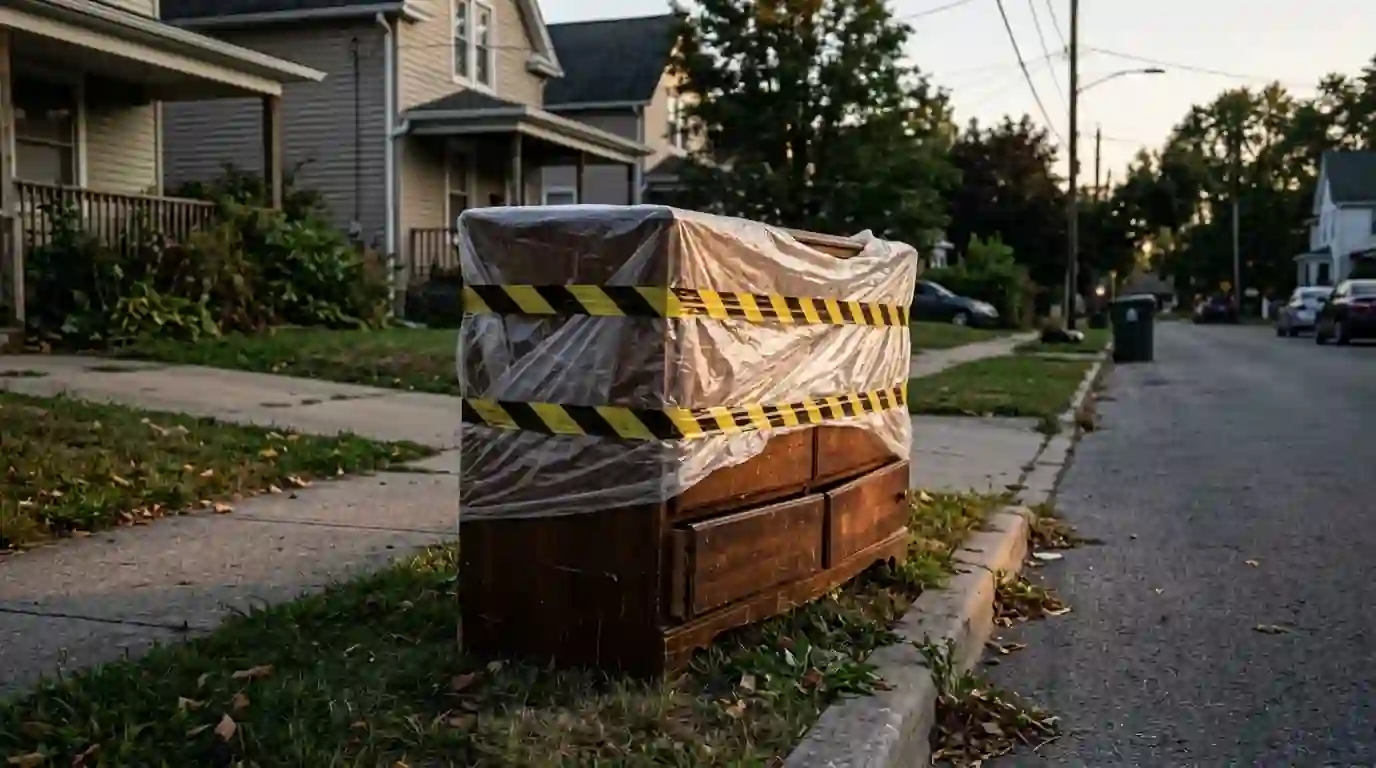
Bed bugs in Belleville travel the way they do everywhere: luggage, used furniture, guest rooms and shared walls, with no judgment attached to any of it. The local wrinkles are a steady military rotation through the Scott Air Force Base side of the metro keeping moving boxes in circulation, a deep secondhand furniture culture in an old town, and pre-war multifamily conversions where units share voids. The curbside dresser is the single most common origin story we hear, and the inspection-first policy is what keeps the carpet-beetle false alarms from costing anyone a treatment.
Pricing, plainly
What moves the price
Published national figures frame it: $300 to $500 per room chemical, $1 to $3 per square foot heat, $2,500 to $5,000 whole-house heavy cases. Your quote moves with:
- Program choice between heat and the multi-visit chemical route
- Room count actually infested, confirmed by inspection rather than fear
- Clutter and furniture density, which drive heat time and prep load
- Encasements for mattresses and box springs in the program
- Adjacent-unit inspections in shared buildings
- Follow-up and verification visits, included rather than sold after
- How early it was caught, the biggest lever you control
Figures referenced are published national ranges for context, not our quote. We price your job on the phone and confirm on site before any work starts.
On your side
Prep that actually matters
- Bag and hot-dry the bedding and clothing from infested rooms; high heat for a full cycle
- Do not move to another bedroom or the couch; it spreads the infestation to new rooms
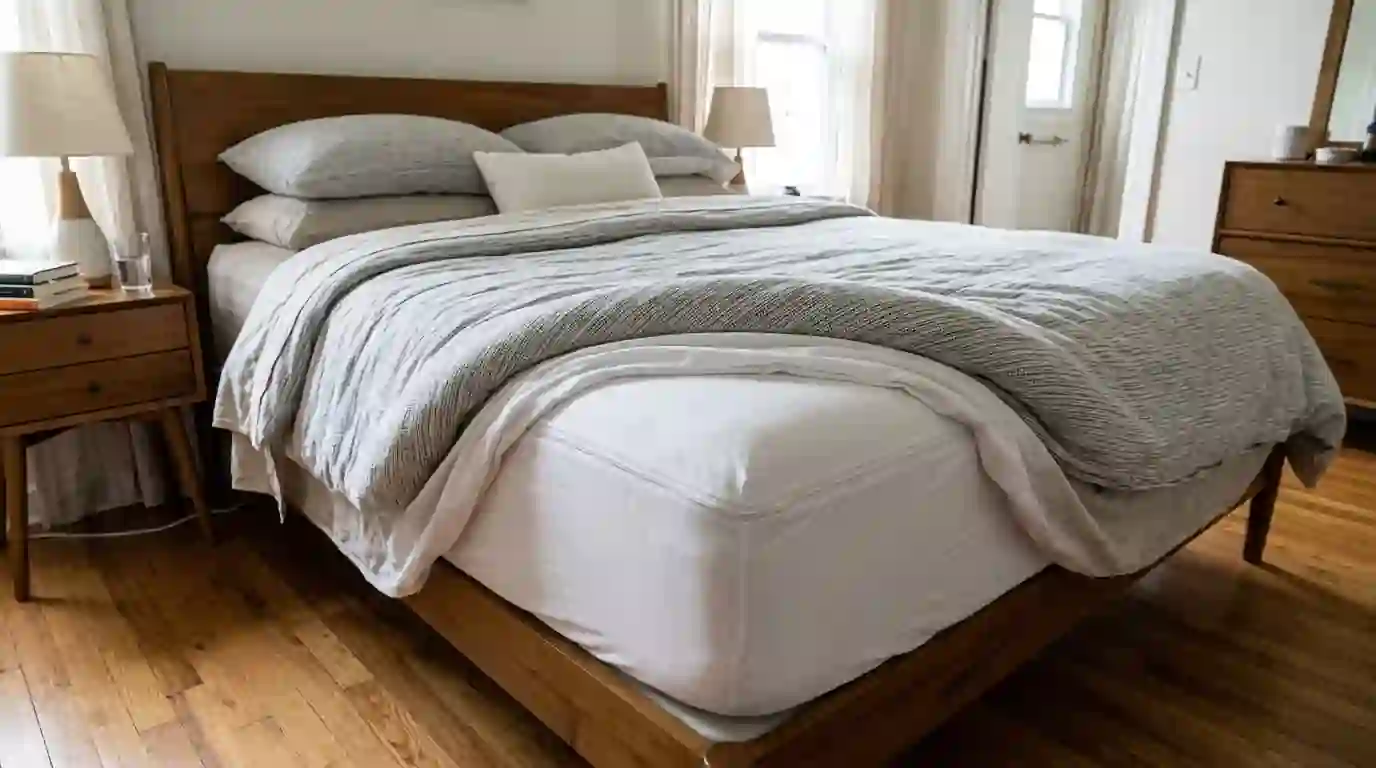
- Do not throw the mattress out; encasement is cheaper than replacement and tossing spreads bugs
- Skip the store foggers entirely; they scatter bugs deeper and make treatment harder
- Pull beds a few inches from walls and keep bedding off the floor
- Reduce clutter under and around beds so treatment reaches the frame
- Keep the interceptors under the legs untouched; they are the scoreboard
Before you call
Questions we hear about this work
Hitchhiking, full stop: travel, guests, workplaces, secondhand furniture, shared walls. Sanitation has nothing to do with arrival; clutter only affects how hard they are to treat.
Store products scatter infestations and breed resistance, and we re-treat failed DIY jobs weekly at full price anyway. The one cheap thing that genuinely helps is the dryer, on everything fabric.
Only what inspection confirms. Most residential finds are one or two bedrooms plus adjacent checks; whole-home work is for whole-home evidence.
Heat buys speed and total coverage in one day; chemical buys economy and precision across two visits. Heavy, cluttered or urgent says heat; light, early and budget-minded says chemical. We argue it straight for your case.
Both programs are run to label and protocol: you are out during the heat day or the chemical application window and back the same day, with encased bedding and treated cracks rather than sprayed sleeping surfaces.
Not from surviving treatment run to verification; reintroduction is the only route back. The monitors stay as your early-warning system, and the travel habits sheet closes the loop.
No transmission is established, which is the one merciful fact about them. The damage is bites, sleep and peace of mind, and those are reason enough to treat properly.
Nearby problems
Jobs that often ride along
Apartment & Multifamily Pest Control
Flea Treatment
Cockroach Control
Residential Pest Control
Bat Removal
Read first: Early signs of bed bugs most people miss; How much does pest control cost in Belleville, IL?.
Booked most weeks in: St. Clair County, Madison County, Monroe County, Clinton County, and the rest of our six-county area.
One call does it
Get it confirmed before you spend a dollar
Describe what you found or send photos when you call; inspection slots for suspected bed bugs schedule first.
(217) 207-0945Answered 24/7, every day