- Home
- Pest Control
- Carpenter Ant Control
The big ants that hollow out damp wood
Carpenter ant control that finds the parent nest
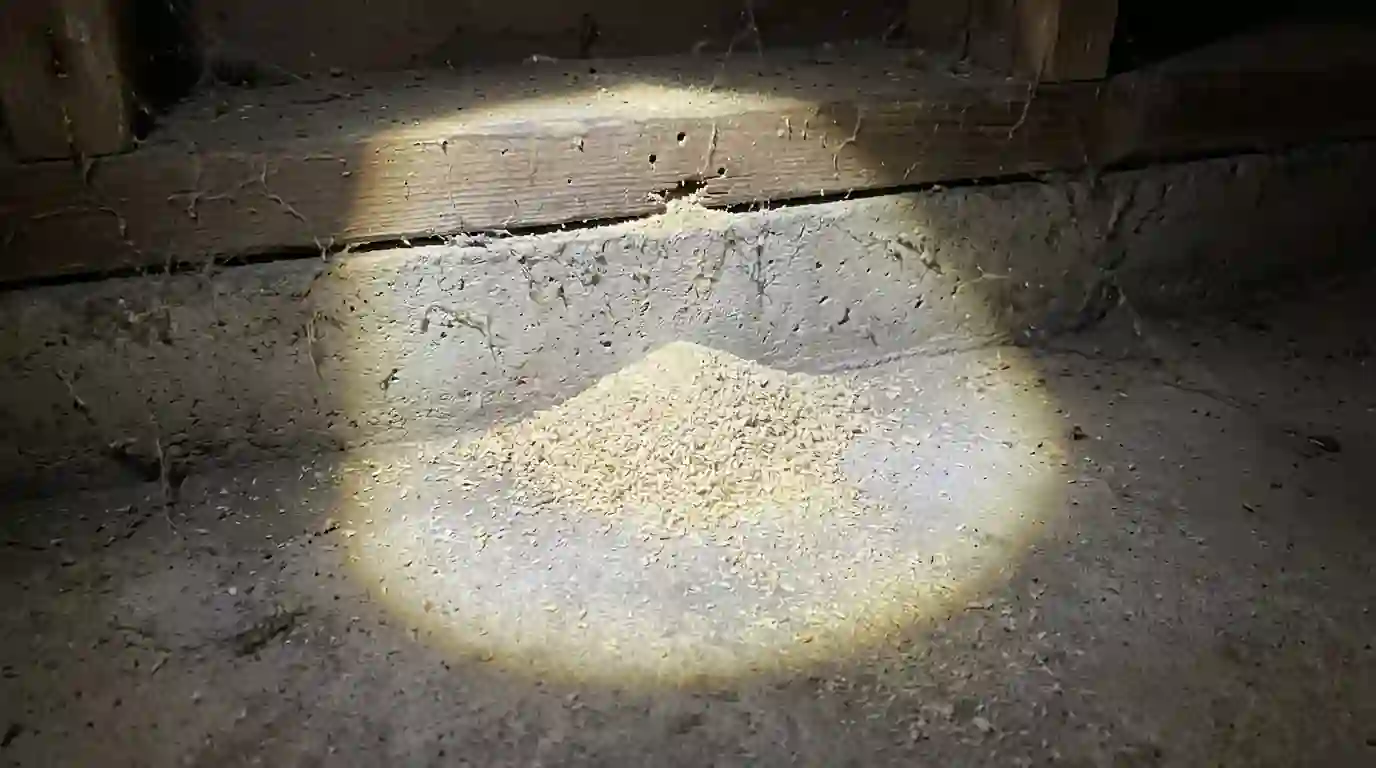
Carpenter ants do not eat wood; they excavate it. They mine galleries in moisture-softened lumber and dump the shavings, and the pile of fine sawdust under a windowsill is often the first anyone knows. Killing the trail is easy; the job is finding the nest, and the nest follows the moisture.
Call (217) 207-0945 Browse our services
- Nest tracing, not just trail spraying
- Wall-void and exterior treatments
- Moisture sources identified
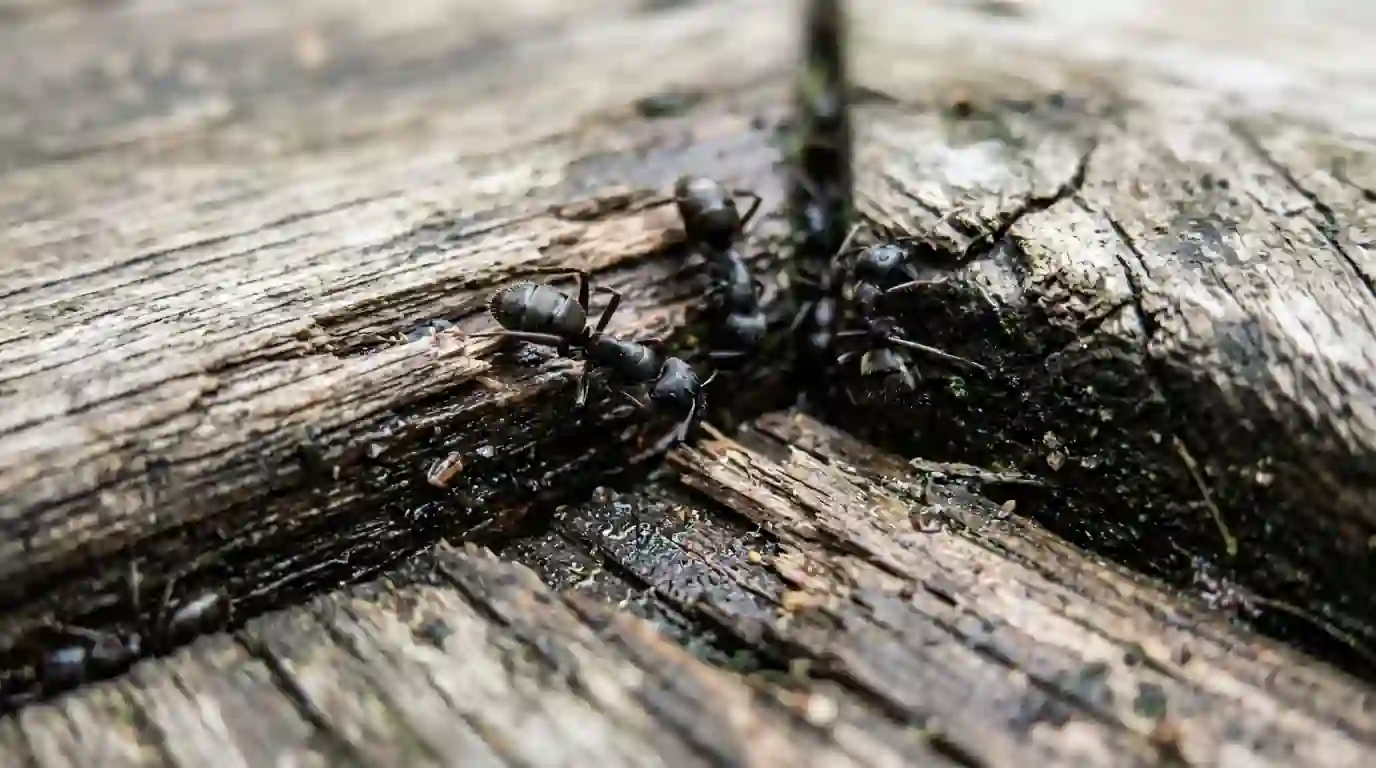
Carpenter ant control is detective work followed by targeted treatment: trace the foraging trails back to the nest, treat the nest directly in its wall void or exterior wood, and fix the moisture that made the site attractive. Satellite nests indoors usually trace to a parent colony outside in a stump, woodpile or damp structural cavity, and both have to be addressed or the ants simply rebuild. Published national pricing runs roughly $250 to $1,000 depending on how buried the nest is.
What this covers
Trail to nest to moisture source
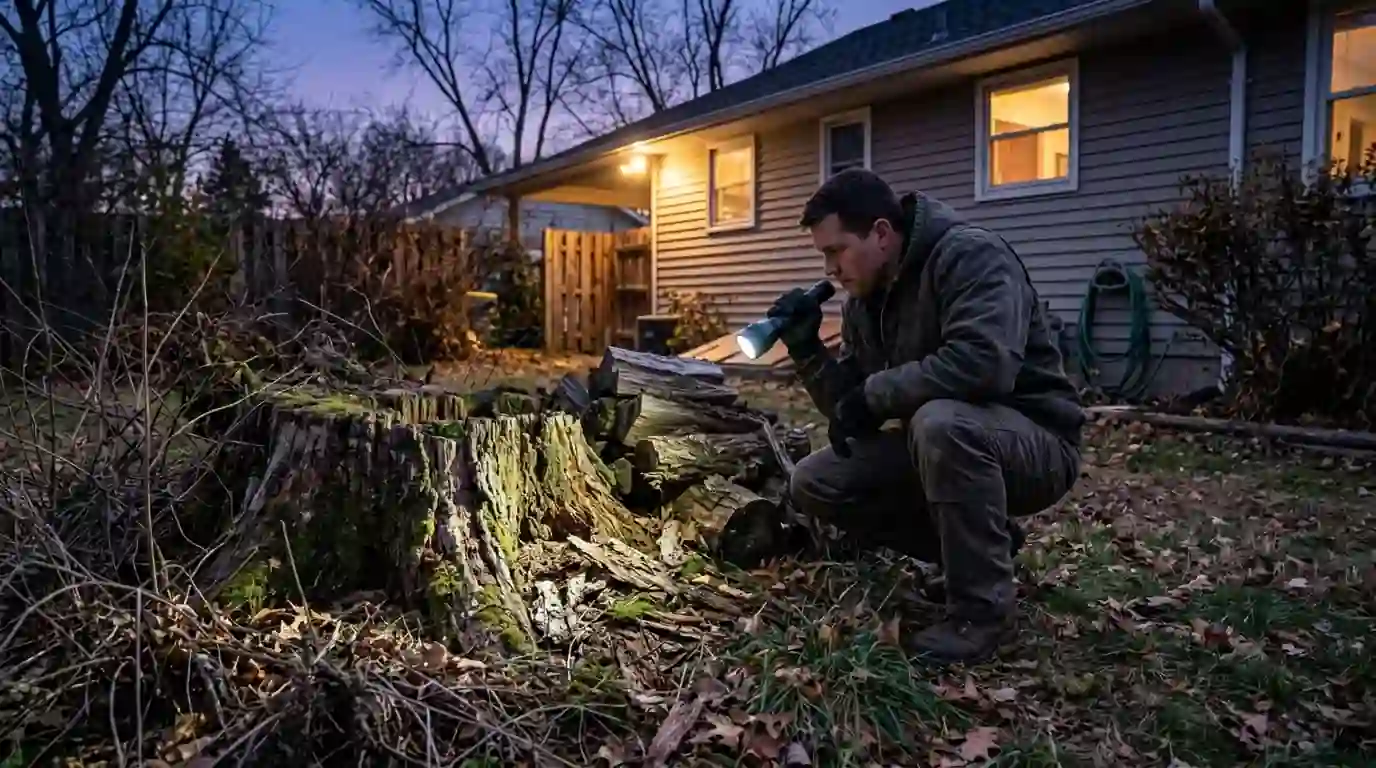
The ants you see are foragers, most active at dusk and after dark, running established routes along deck edges, fence lines, cable runs and branches that touch the house. Following those trails backward, often with a flashlight after sunset, is how the nest is actually located; frass piles, faint rustling in a wall void, and winged swarmers indoors in spring all narrow the search.
Treatment is then placed where the colony lives: non-repellent dust or foam into the void, targeted applications at the nest site outside, and baiting along the routes so foragers carry the treatment home. Just as important is the moisture audit, because carpenter ants choose wood softened by leaks, overflowing gutters, grade splash and bad flashing; leave the moisture and you have advertised the vacancy.
Pricing, plainly
What moves the price
Pricing follows how hidden the nest is. The drivers:
- Whether the nest is located and accessible or must be traced across visits
- Number of nests, since satellite colonies travel in sets
- Wall-void access and the treatment method it allows
- Exterior parent-colony work on the lot
- Moisture repairs you fold into the fix
- Follow-up verification for multi-nest properties
- Published context: roughly $250 to $1,000 nationally depending on complexity
Figures referenced are published national ranges for context, not our quote. We price your job on the phone and confirm on site before any work starts.
How we match the job
Where the nests turn up
- 01
Wall-void satellite nests
Colonies in sill plates, window headers and bath walls, treated through small access points with dust or foam.
- 02
Parent colonies outside
Stumps, landscape timbers, woodpiles and fence posts near the house, treated at the source so satellites stop being resupplied.
- 03
Deck and porch infestations
Ledger boards and post bases where flashing failed; treatment plus the repair conversation nobody else will start.
- 04
Attic and roofline nests
Colonies above leaks and ice-dam damage, reached through the trails that climb siding and branches.
- 05
Swarmer response
Winged carpenter ants indoors in spring mean a mature nest in the structure; an inspection-first visit that locates before it treats.
Local conditions
Why this matters in Belleville
Carpenter ants are among the standard structure-infesting ants in Illinois, and Belleville's old housing feeds them. Pre-1940 homes around the historic district carry a century of patched flashing, original wood windows and porch framing, and any spot where those have stayed damp is candidate nest wood. The mature oaks and maples on these streets matter too: branches touching a roofline are a carpenter ant highway, and outdoor parent colonies in old stumps keep satellite nests indoors supplied. The ant is common; the damp wood is the variable you control.
How a visit runs
How the job runs
- Evening trail trace
Routes followed at peak activity to their entry points and likely nest zones.
- Nest confirmation
Frass, sound and activity triangulated; voids opened only where evidence points.
- Direct treatment
Non-repellent products into the nest and along routes so the colony shares it.
- Moisture audit
The leak, gutter or grade problem that softened the wood, named in writing.
- Verification
Activity rechecked after the colony transfer window; satellites chased if trails persist.
Worth catching early
Signs the colony is in the structure
Fine sawdust piles
Frass below a sill, joist or deck board is excavation debris being dumped from a gallery above.
Big ants indoors in winter
Foragers active inside during cold months mean the nest is in the heated structure, not the yard.
Rustling in walls
A dry, papery rustle in a quiet room is a working colony in the void.
Winged ants at windows
Spring swarmers emerging indoors indicate a mature, established nest releasing reproductives.
Trails at dusk
Steady ant traffic along deck edges and siding at twilight is the commute worth following.
Soft, stained wood
Water-stained trim and framing is pre-approved carpenter ant housing whether they have found it yet or not.
Before you call
Questions we hear about this work
Carpenter ants leave clean galleries and dump sawdust; termites pack theirs with soil and leave none. Winged carpenter ants have bent antennae and unequal wings. Send a photo and we will settle it before you book anything.
Repellent sprays kill foragers and warn the colony, which fragments into new satellite nests. Non-repellents and baits that the colony shares are slower by days and better by months.
Slower than termites, real over time: hollowed sills, headers and deck framing in chronically damp spots. The damage bill tracks the age of the moisture problem.
If it houses the parent colony, treating it is part of the job; removal is optional afterward. Leaving an untreated parent colony is how indoor nests come back.
A located, accessible nest, often yes. Multi-nest properties get a verification follow-up in the plan from the start, priced upfront.
Trim them; they are a route past every ground-level treatment. We will point out each one in the report.
Void treatments are placed inside the wall cavity, not living space, in small targeted quantities. Normal occupancy continues through the work.
Nearby problems
Jobs that often ride along
Read first: Termite damage or wood rot? How to tell the difference.
Booked most weeks in: Glen Carbon, Cahokia Heights, East St. Louis, Mascoutah, and the rest of our six-county area.
One call does it
Describe the ants and where you see them
Size, timing and location over the phone tells us a lot; the trail tells us the rest on site.
(217) 207-0945Answered 24/7, every day