- Home
- Pest Control
- Brown Recluse Control
Confirmed ID first, then a real program
Brown recluse control for the spider southern Illinois actually has
The brown recluse is native here, and it lives indoors. Belleville sits inside the spider's established Illinois range, so a recluse sighting in a closet or basement is plausible in a way it is not in Chicago. The response is not panic and it is not a single spray; it is confirmation, monitoring, and a methodical whole-house program.
Call (217) 207-0945 Browse our services
- Identification confirmed before treatment
- Monitor-guided whole-house program
- Priority scheduling on confirmed sightings
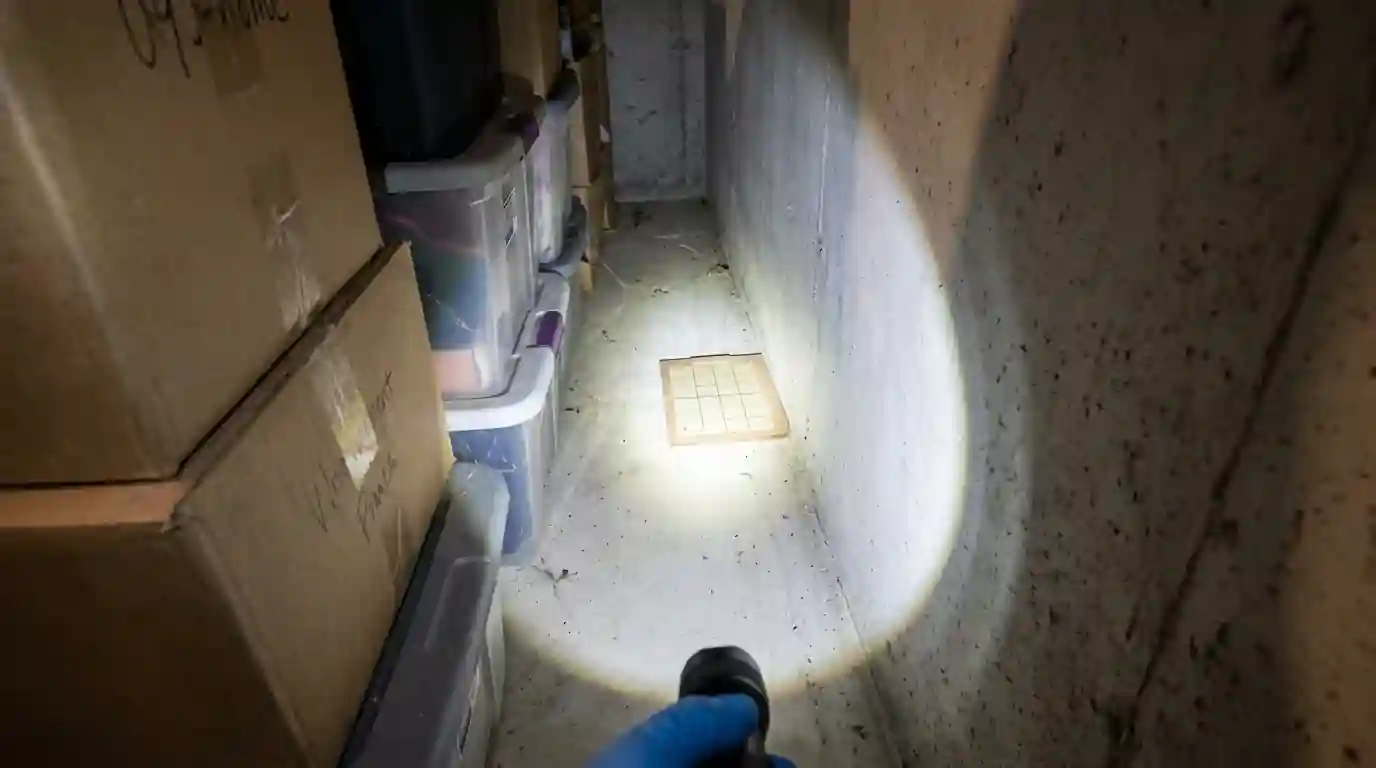
Brown recluse control starts with confirming the spider, because most suspected recluses are harmless look-alikes and the programs differ completely. A confirmed recluse population gets the whole-house approach the species demands: glue monitors to map where they travel, dust treatment into the wall voids, attics and storage zones where they live, de-cluttering guidance that removes harborage, and scheduled rechecks. It is methodical rather than dramatic, it takes weeks rather than hours, and it is the only version that works on this species.
What this covers
Why this spider needs its own program
Recluses defeat ordinary spider service by lifestyle. They hunt on foot at night, rest by day inside wall voids, boxes, stored clothing and undisturbed clutter, and rarely cross a freshly sprayed baseboard long enough to matter. Populations build quietly for years in attics and basements, which is why the discovery moment often involves more than one spider.
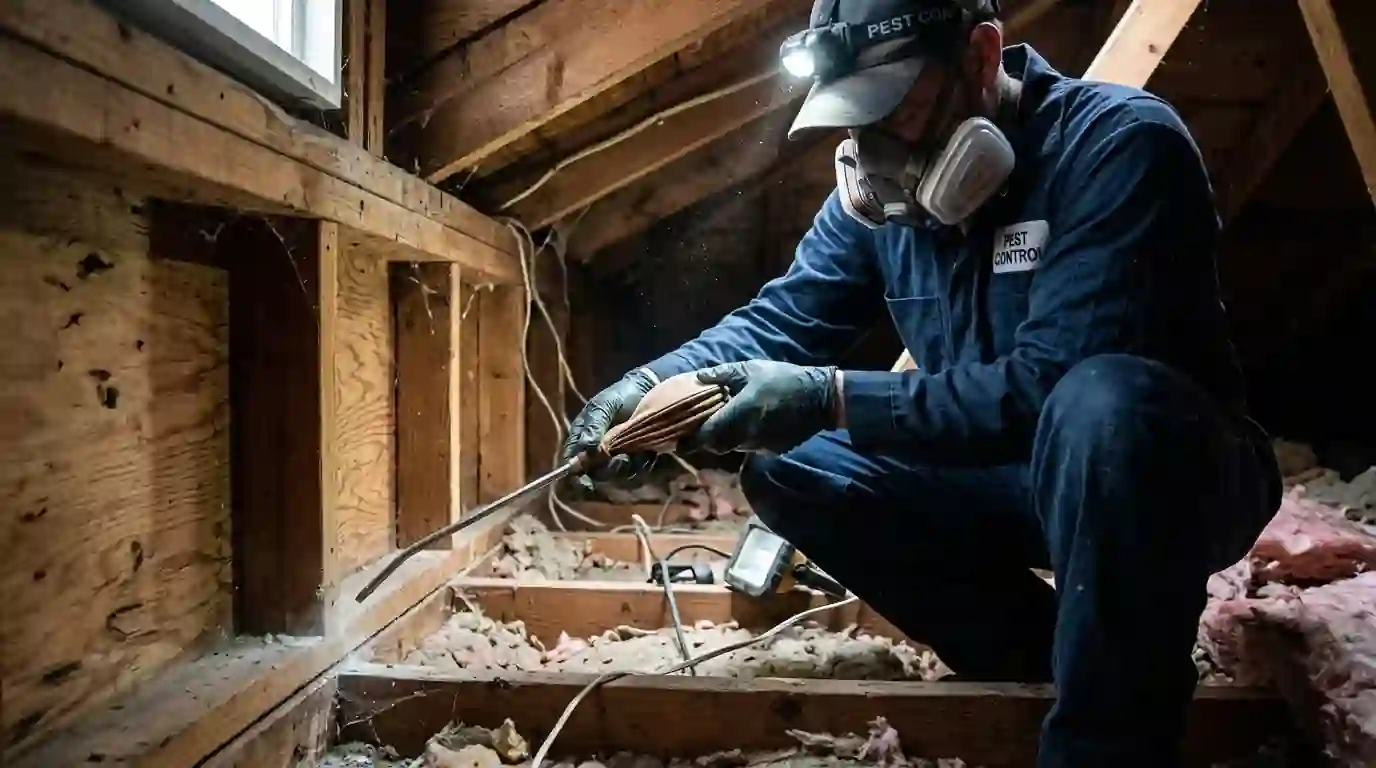
The program that works is built on monitors and voids. Glue boards along walls and behind storage map the real activity; dust formulations go into the voids, attic insulation edges and crevices where spiders actually rest; sticky-sealed storage and reduced clutter remove the habitat. Progress is read off the monitors at rechecks, not guessed from an absence of sightings.
Worth catching early
Signs that point to recluse rather than look-alike
Uniform violin-marked tan
One even tan-brown color with a dark violin behind the head; banded or patterned legs rule it out.
Six eyes in pairs
The giveaway under a photo zoom: three pairs, where almost all look-alikes have eight eyes.
Flat, irregular webbing in storage
Recluses spin loose retreat silk in boxes and corners, never pretty orb webs.
Nighttime floor sightings
Hunters on open floor after dark, especially in rooms over basements and under attics.
Shed skins in stored items
Papery molts in boxes, seldom-worn clothing and stacked fabric mark long occupancy.
Multiple sightings in weeks
More than one plausible recluse in a month means a population, and a program rather than a swat.
How we match the job
How the program flexes by situation
- 01
Confirmed-population whole-house program
Monitors, void dusting, storage protocol and scheduled rechecks across the full structure.
- 02
Single-sighting verification service
One plausible spider, identified from the specimen or photo, with monitors placed to answer the only question that matters.
- 03
Pre-move-in clearance
Monitoring and treatment of a purchased older home before boxes and beds arrive, the cheapest moment to run this program.
- 04
Attic and storage-zone focus
Heavy treatment of the undisturbed zones that anchor populations, paired with the de-cluttering plan.
- 05
Multifamily response
Unit-plus-adjacent monitoring in shared buildings, because voids connect and so do populations.
How a visit runs
How the program runs
- Confirm the species
Specimen or clear photo identified first; look-alikes get routed to ordinary spider service and a smaller bill.
- Monitor deployment
Glue boards map activity by room and route, turning guesses into data.
- Void and crevice treatment
Dust into the walls, attic edges and crevices where recluses rest by day.
- Storage protocol
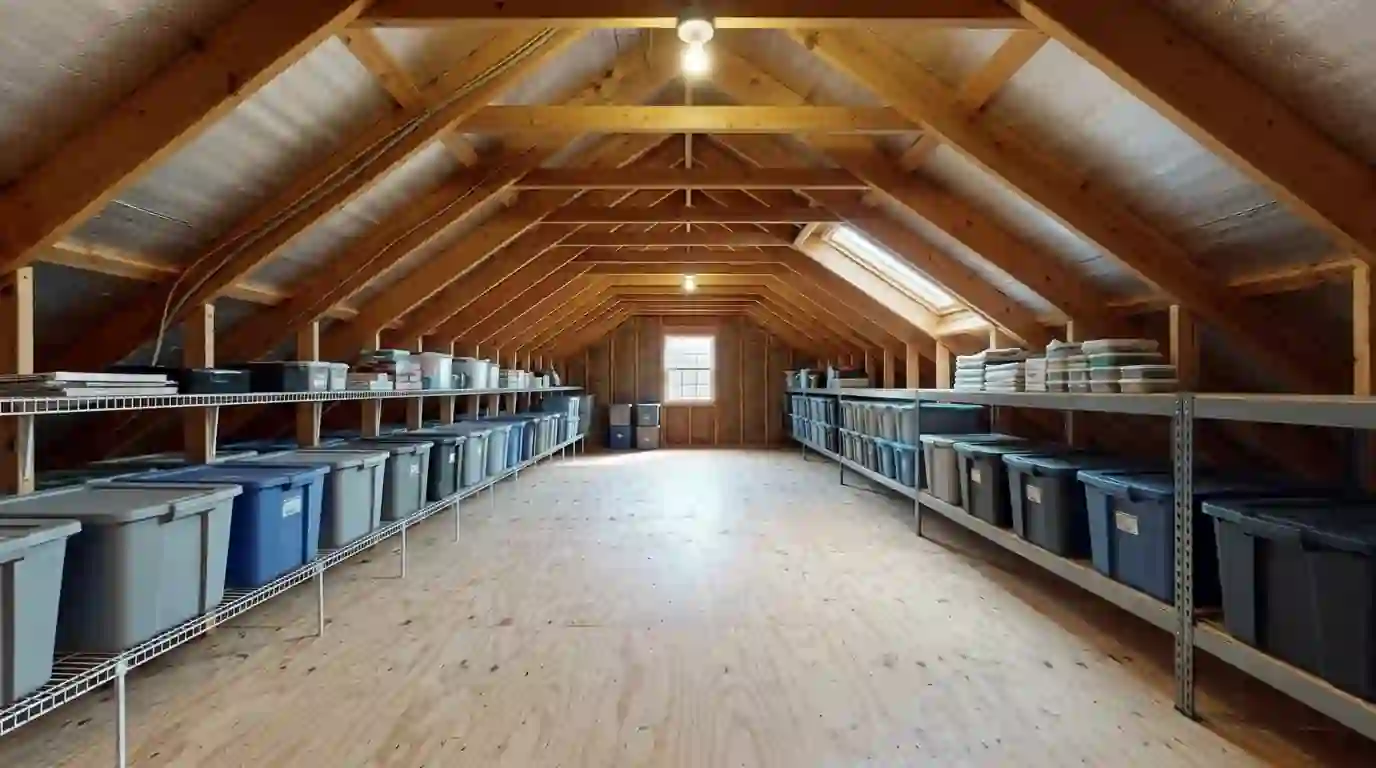
Sealed totes, lifted boxes and reduced clutter remove the habitat that anchors populations.
- Monitored rechecks
Counts read, treatment refreshed where the map says, until the trend reaches quiet.
Timeline
Realistic timeline
Monitor placement and first treatment happen on visit one, usually within a day or two of a confirmed identification. Meaningful monitor-count decline shows across four to eight weeks, with rechecks reading the trend; established attic populations in older homes can need a full season to drive toward zero. Bites are rarer than reputation suggests, but confirmed populations get priority scheduling because sharing a bedroom closet with this species is not a waiting-list problem.
Local conditions
Why this matters in Belleville
This is the local spider question. Illinois public health guidance places the brown recluse as established across the southern third of the state, living indoors and outdoors, and St. Clair County is inside that zone; this is not the mythical sighting it would be upstate. Belleville's housing compounds it: pre-1940 homes with deep closets, stone-foundation basements and floored attics are exactly the undisturbed storage the species favors, and estate cleanouts in the older neighborhoods are a recurring discovery moment. Respect for the spider, not fear of it, is the right local posture.

Pricing, plainly
What moves the price
Recluse programs are scoped after identification. What sets the number:
- Structure size and the count of void, attic and storage zones to treat
- Monitor coverage across the program
- Population scale read from early monitor returns
- Storage volume and the de-clutter work you fold in
- Recheck visits across the program arc
- Crawl space and attic access conditions
- Multifamily adjacency where voids are shared
Figures referenced are published national ranges for context, not our quote. We price your job on the phone and confirm on site before any work starts.
On your side
Living safely during the program
- Shake out shoes, gloves and clothing that sat unworn, especially from closets and storage
- Pull beds a few inches off walls and keep bedding off the floor
- Swap cardboard for sealed plastic totes as you can
- Wear gloves when digging through stored boxes
- Leave monitors exactly where placed; they are the program's eyes
- Vacuum corners and closet floors weekly; it removes spiders and the insects feeding them
- Photograph anything you trap or see and send it; every data point sharpens the map
Before you call
Questions we hear about this work
Most bites resolve without drama, a minority ulcerate and need medical care, and fatalities are vanishingly rare. The species deserves management, not terror; see a doctor for any suspect bite and bring the spider if safely possible.
Not by itself; males wander. One confirmed recluse earns monitors, and the monitors answer whether it was a loner or a population within a couple of weeks.
Driven to and held at zero on monitors, yes, with the void-and-monitor program run to completion. What cannot do it is a one-time baseboard spray, which is why we do not sell that for this species.
Foggers do not reach void and attic harborage, and recluses resting in boxes shrug them off. The dust-and-monitor method exists because it is what this spider actually responds to.
Yes. Dusts go into voids and crevices, not living space, and the practical safety steps are the checklist ones: shake out stored clothing, keep bedding off the floor, use the gloves.
It is the best-value version of this entire service: monitors and treatment in an empty house, read before the moving truck arrives.
Pattern. Recluses are plain; wolf and grass spiders wear stripes and bands, and both have eight eyes to the recluse's six. Send the photo and we will answer in minutes, usually with good news.
Nearby problems
Jobs that often ride along
Spider Control
Residential Pest Control
Silverfish & Occasional Invader Control
Quarterly Protection Plans
Rodent Exclusion & Proofing
Read first: Brown recluse or harmless house spider? An ID guide for Belleville homes.
Booked most weeks in: East Belleville, Dutch Hollow, Royal Heights, O'Fallon, and the rest of our six-county area.
One call does it
Send the photo, get the real answer
Describe or photograph the spider when you call; identification is fast, honest, and decides everything that follows.
(217) 207-0945Answered 24/7, every day