- Home
- Pest Control
- Mole & Vole Control
Raised runs, surface trails and chewed bark
Mole and vole control for tunneled lawns and girdled plantings
Moles and voles wreck lawns differently, and the fixes do not interchange. Moles tunnel for grubs and worms, raising ridges and throwing mounds; voles are mice-cousins that run surface trails and girdle your shrubs at the bark. The inspection tells them apart in minutes, and the program follows the animal.
Call (217) 207-0945 Browse our services
- Species identified from the damage
- Trap-based mole work on active runs
- Vole habitat and bait-station programs
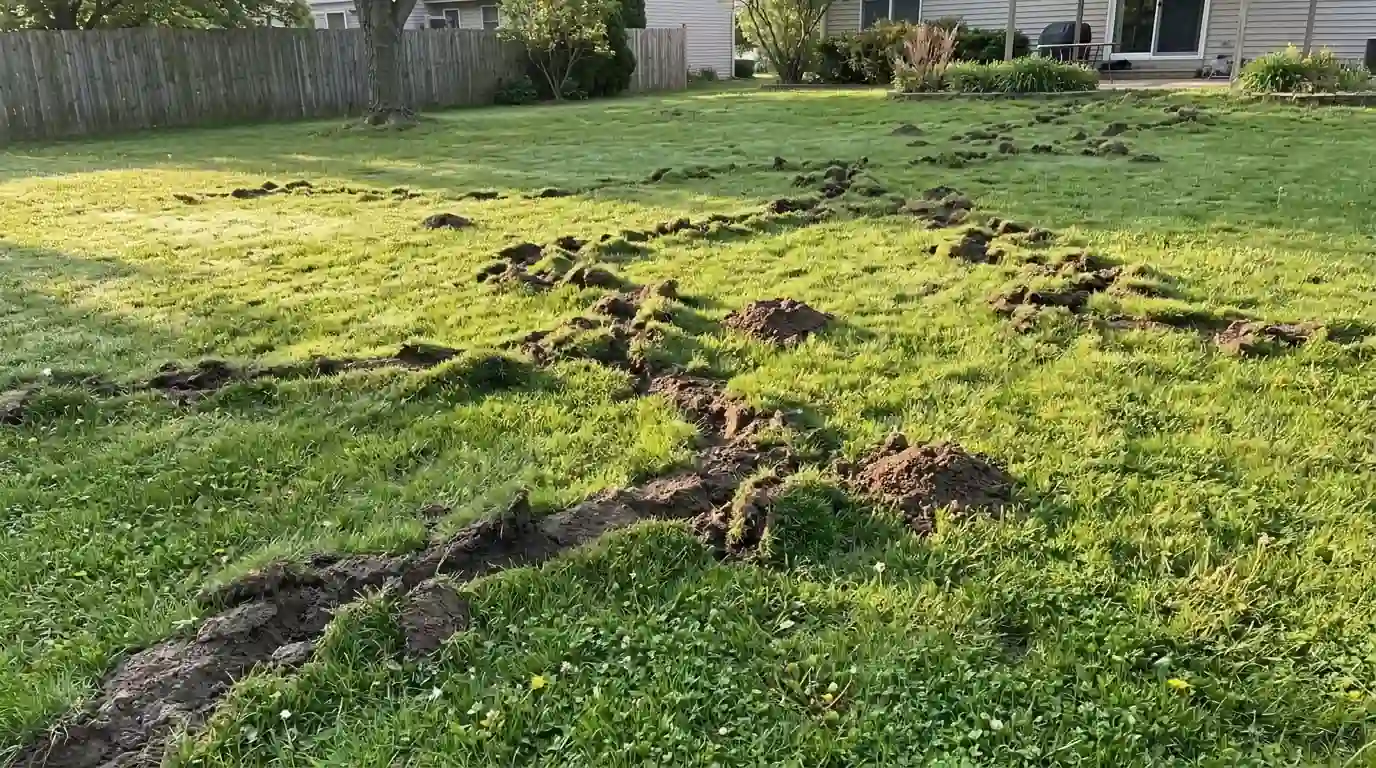
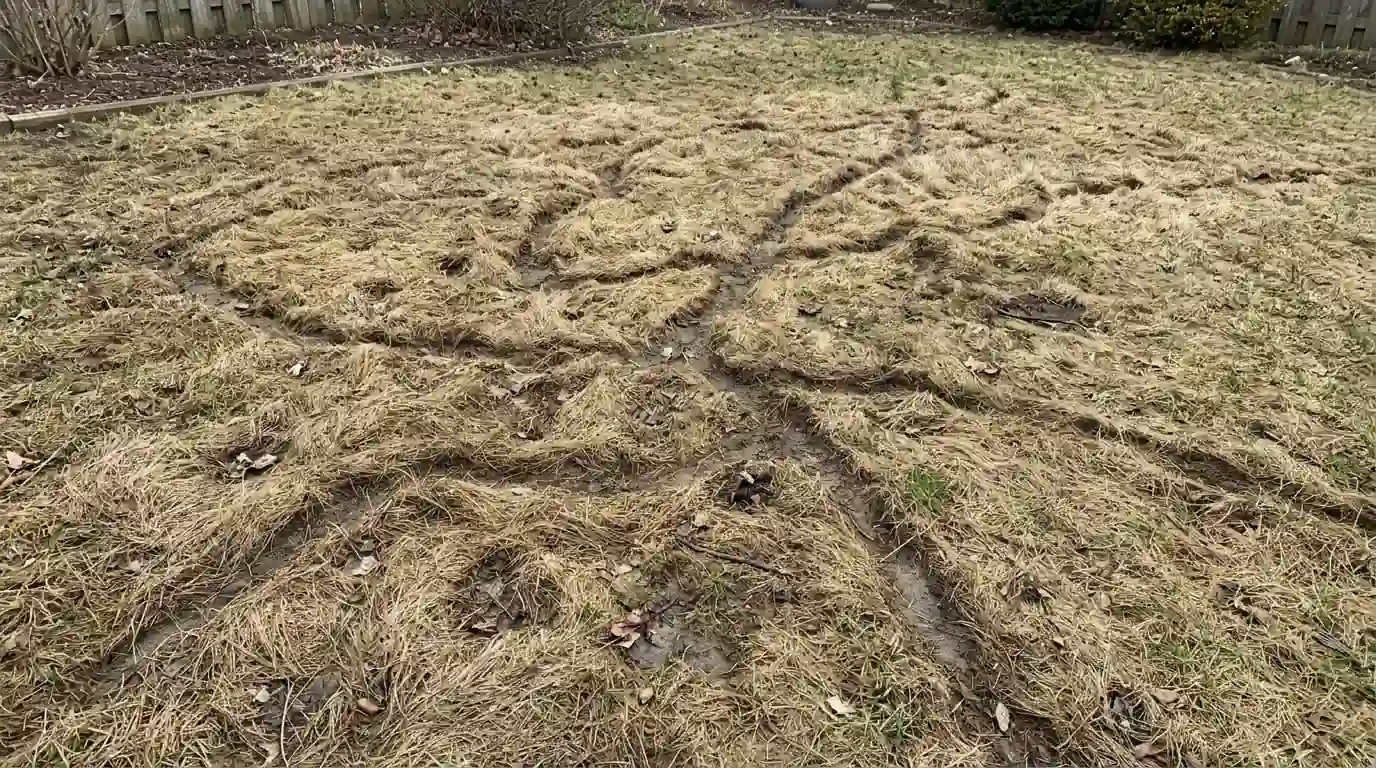
Mole and vole control starts by reading the damage. Raised ridges and volcano-shaped soil mounds mean moles, treated with professional trapping on the active runs, the only method with a reliable record. Surface trails mowed into the grass, golf-ball burrow holes and bark chewed from shrubs mean voles, treated with habitat reduction, bait stations and planting protection. Both programs are quoted flat after a lawn walk, and both work best when started while the damage is fresh.
What this covers
Two animals, two playbooks
Moles are solitary insect-eaters, and one animal can ridge an entire lawn. The program finds the active primary runs, the straight commuter tunnels, not the winding feeders, by flattening and rechecking, then sets professional-grade traps in those runs. Grub treatments and repellents sell well and perform poorly; moles mainly eat earthworms, which no lawn should want to lose, so trapping the animal remains the honest method.
Voles are rodents that breed like it, running surface trails under snow and groundcover and chewing the bark off young trees and shrubs at the base, which kills plantings a season later. Their program is habitat and protection: trimming the groundcover and mulch that hides them, bait stations along the trail network, and hardware-cloth collars on the plantings they are girdling. Winter under snow is their big season, so fall is the smart start.
Pricing, plainly
What moves the price
Lawn programs quote after a walk of the damage. The drivers:
- Species, since mole trapping and vole programs are built differently
- Lawn and bed area in the active zone
- Run and trail density read on the walk
- Trap-check visits across a mole program
- Station count and refresh schedule for voles
- Planting collars and protection installed
- Seasonal programs for lawns that border source habitat
Figures referenced are published national ranges for context, not our quote. We price your job on the phone and confirm on site before any work starts.
How we match the job
What the lawn calls turn out to be
- 01
Active mole trapping
Primary runs identified and trapped, with the catch confirmed rather than assumed.
- 02
Vole trail programs
Station lines and habitat trimming along the runway network, heaviest in fall.
- 03
Planting protection
Collars and basal clearing for the shrubs and young trees voles are ringing.
- 04
New-sod and irrigation lawns
High-worm lawns that pull moles from neighboring lots, managed seasonally.
- 05
Bed and border service
The mulched beds where both animals meet, treated for whichever the sign shows.
Local conditions
Why this matters in Belleville
Belleville's older neighborhoods garden hard, and the mature lawns, irrigation and deep mulch beds build exactly the worm-rich, cover-rich ground both animals want. Mole pressure rides in from the field and creek edges that border so many blocks here, peaking spring and fall when soil moisture puts worms high. Voles winter under the snow line and under English ivy and groundcover beds, which is why the spring reveal, dead shrubs with gnawed rings, is a familiar local heartbreak. Fall habitat work is the cheap version of this service.
How a visit runs
How the program runs
- Damage read
Ridges, mounds, trails and gnawing sorted into the right species on the walk.
- Activity test
Runs flattened and trails flagged to find what is live this week.
- Targeted setting
Traps in primary mole runs, stations along vole trails, nothing scattered.
- Check cycle
Visits timed to the catch and activity curve until the sign stops.
- Habitat and protection
The trimming, mulch pull-back and collars that keep the lawn unattractive next season.
Timeline
How long until the lawn heals
Mole trapping shows results in days once traps sit in true primary runs; most single-animal lawns clear within one to two weeks, confirmed by flattened tunnels staying flat. Vole programs run across a season, with station activity declining over several weeks and the habitat changes doing the compounding work. Ridges rake out and recover quickly; girdled shrubs, unfortunately, do not, which is the argument for the fall start.
Before you call
Questions we hear about this work
Not in any result we would bill for. Moles routinely tunnel beside them, and castor products wash through. Trapping on active runs is unglamorous and it is what works.
Rarely, because earthworms are the main diet, and a wormless lawn is a worse lawn. Grub control has its own turf reasons; as mole control it mostly sells insecticide.
Usually one to three even in a wrecked lawn; they are territorial. It is why trapping works and why the damage stopping is a real endpoint, not a pause.
That is the signature: girdling under snow cover. The plants ringed fully will not recover, and the fall station-and-collar program is what protects their replacements.
Vole bait lives inside locked stations sized to exclude anything bigger; mole traps set within the tunnel below grade. Placements are walked with you, and pet habits shape where things go.
The opposite; they follow rich, moist, worm-heavy soil. It is a backhanded compliment that still needs trapping.
Pressure from bordering habitat is real, which is why edge-lot lawns do best on a seasonal check rather than one heroic visit. We will tell you honestly which kind of lot you have.
Nearby problems
Jobs that often ride along
Booked most weeks in: Glen Carbon, Cahokia Heights, East St. Louis, Mascoutah, and the rest of our six-county area.
One call does it
Describe the damage pattern
Ridges, mounds, trails or chewed bark; the pattern names the animal and the walk sets the price.
(217) 207-0945Answered 24/7, every day