- Home
- Pest Control
- Flea Treatment
Home, yard and pet, treated as one system
Flea treatment that breaks the cycle in carpet, pet and yard together
Fleas are a three-front war, and losing any front loses all three. Adults on the pet are five percent of the problem; the other ninety-five percent is eggs, larvae and pupae in carpet, bedding and shaded yard soil. Our program treats home and yard on the same schedule your vet treats the pet, and the cycle actually breaks.
Call (217) 207-0945 Browse our services
- Growth regulators in every program
- Yard shade zones treated too
- Vacuuming plan that does real work
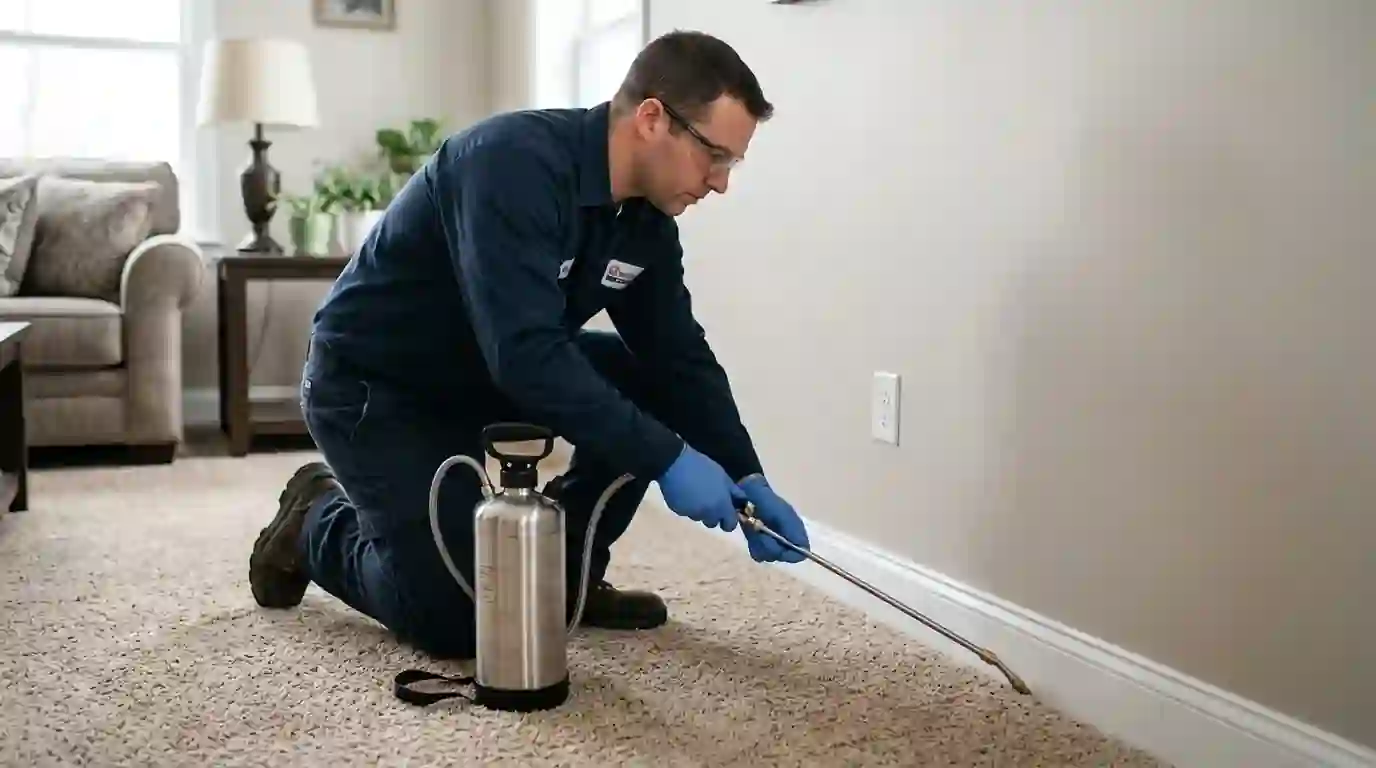
Flea treatment is a cycle-breaking program: adulticide plus insect growth regulator through the carpeted rooms, pet rest areas and furniture bases; the same combination across the shaded yard zones where pets lie; and coordination with the vet-prescribed treatment your pet needs the same week. The pupal stage shrugs off every product made, which is why hatching activity continues for up to two weeks after treatment and why the follow-up and the vacuuming plan are part of the program rather than an upsell.
What this covers
Why fleas outlast single sprays
The flea life cycle is armored in the middle. Eggs fall from the pet wherever it rests, larvae burrow into carpet base and crack dust, and pupae wrap themselves in cocoons that chemicals cannot penetrate, waiting for vibration and warmth to trigger emergence. Any treatment, ours included, leaves live pupae behind; the difference is that our program expects them, with growth regulator standing by to sterilize emergers and a follow-up timed to the emergence window.
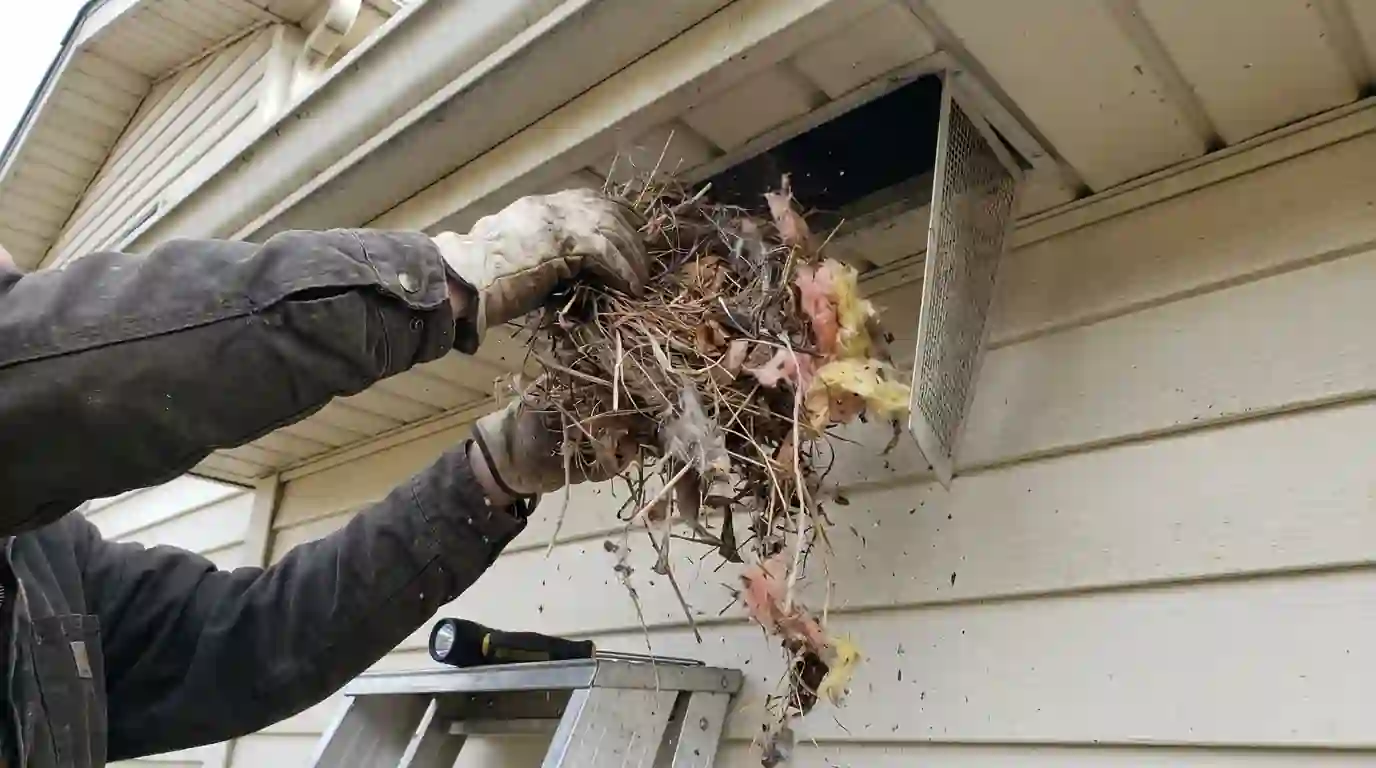
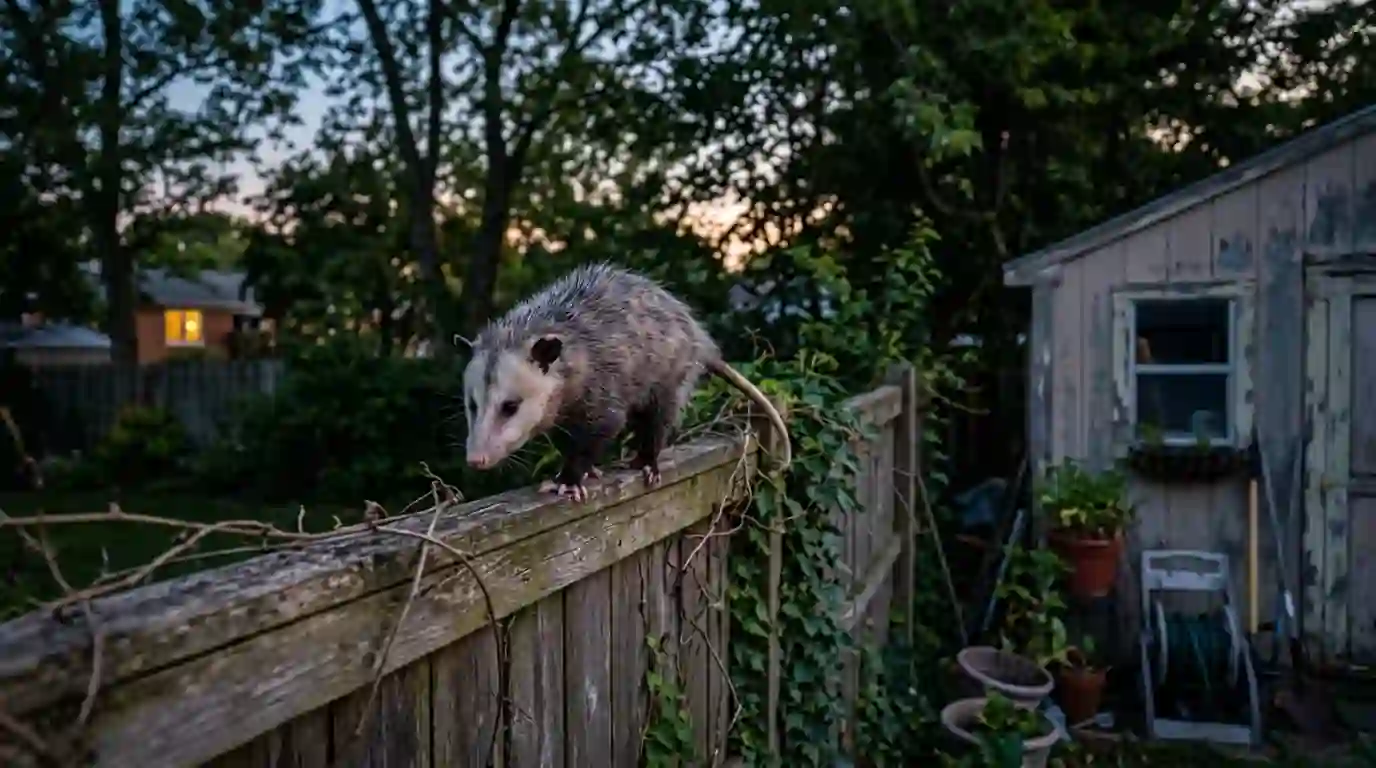
The yard half matters more than most people expect in this climate. Fleas breed outdoors in shaded, moist soil, under decks, along fence lines, in the crawl space a stray cat visits, and an untreated yard reinfests a treated house through the pet door weekly. The program maps where animals actually rest and treats those zones, not the sunny open lawn fleas cannot survive.
Pricing, plainly
What moves the price
Flea programs quote by scope on the phone. The drivers:
- Carpeted square footage and pet-zone count indoors
- Yard shade-zone area, decks and crawl access outdoors
- Interior-plus-yard programs against interior-only
- Severity, read from bite pressure and sock-test counts
- Follow-up visit timed to the emergence window
- Wildlife-source work where a den is feeding the problem
- Published context: professional flea service nationally commonly falls in the $100 to $300 general-visit range per treatment
Figures referenced are published national ranges for context, not our quote. We price your job on the phone and confirm on site before any work starts.
On your side
Your side of breaking the cycle
- Treat every pet with a vet-recommended product the same week; the program leans on it
- Vacuum daily for two weeks after treatment; vibration triggers pupae onto treated carpet
- Empty the vacuum outside each time, bag tied
- Hot-wash pet bedding, throws and the couch blanket on day one
- Keep pets out of treated yard zones until dry
- Block the pet door at night if strays or wildlife use the yard
- Expect stragglers through week two and judge by the trend, not a single sighting
How we match the job
The flea situations we treat
- 01
Active home infestation
The full interior program through carpets, pet zones and furniture bases, with the two-week emergence window managed honestly.
- 02
Yard and under-deck treatment
Shade-zone exterior work for fleas riding in on pets, strays and wildlife.
- 03
Moved-into-fleas response
Vacant-home flea blooms that ambush new owners when footsteps wake the pupae; a classic and very fixable call.
- 04
Wildlife-source programs
Flea pressure traced to raccoons, opossums or feral cats denning under the structure, paired with the wildlife work that ends the supply.
- 05
No-pet flea problems
Infestations without a household pet, which almost always trace to wildlife or a previous occupant's animals; the inspection finds which.
Local conditions
Why this matters in Belleville
Metro East humidity is flea weather for most of the year, and Belleville adds its own suppliers: mature shaded yards, crawl spaces under pre-war houses that stray cats and opossums treat as housing, and alley corridors downtown that keep wildlife moving between lots. The moved-into-fleas call is common here with the housing turnover, vacant homes hold dormant pupae for months, and so is the no-pet infestation that traces to a raccoon under the porch. Yard and source treatment is not an add-on in this town; it is half the job.
How a visit runs
How the program runs
- Source and zone mapping
Pet rest areas, shade zones and any wildlife den located before treatment.
- Interior application
Adulticide plus growth regulator through carpets, cracks and furniture bases.
- Yard treatment
The shaded breeding zones and under-structure soil, matched to the same products.
- Pet-treatment sync
Your vet handles the animal; we time the program to that same week, and it matters.
- Emergence follow-up
The pupal window managed with vacuuming and a return visit where counts call for it.
Before you call
Questions we hear about this work
Pupae, hatching on schedule into a treated environment where they cannot reproduce. The growth regulator and your vacuuming are winning precisely during the stretch that feels like failure; week three is the verdict.
Wildlife or inheritance: a den under the structure, strays using the yard, or the previous occupant's animals leaving dormant pupae that your footsteps woke. The inspection names which, and the fix follows it.
Foggers mist the tops of things while fleas live in carpet base and cracks, and they skip the yard entirely. They are the most purchased and least effective tool in this entire category.
They bite people, ankles first, but cannot sustain on us; humans are the overflow menu. Heavy human biting means a large population or a missing pet host, both of which the program addresses.
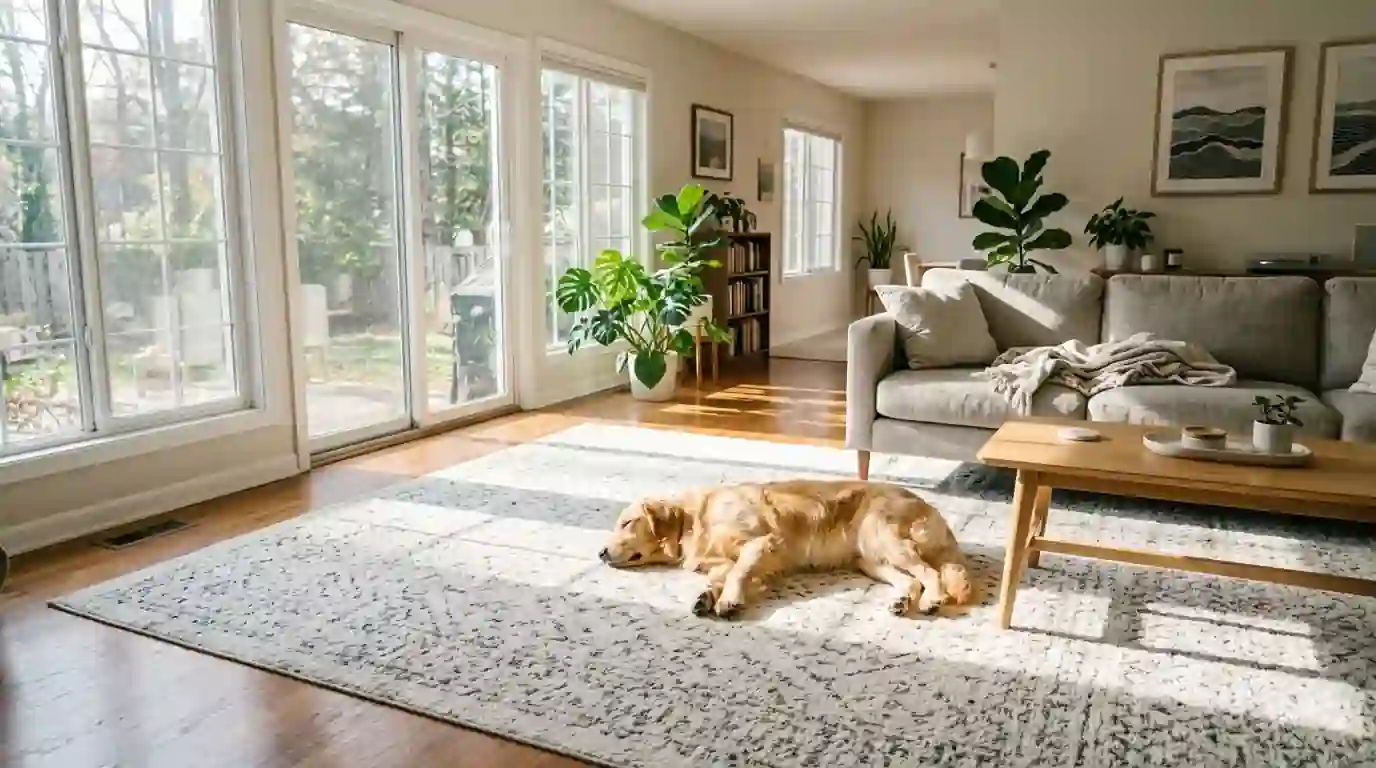
Applications are placed and dried before pets return to treated areas, and the products are chosen with pets in the home as the assumption. The animal's own treatment stays the vet's lane, and we coordinate to it.
They transmit tapeworm to pets and can carry bacterial diseases; it is a pet-health and comfort issue worth treating promptly, which your vet will echo.
Outdoors it suppresses them; indoors your heated home is a flea resort year-round, and pupae wait out any cold snap in the carpet. Winter infestations are common and treat exactly the same.
Nearby problems
Jobs that often ride along
Booked most weeks in: Clinton County, Washington County, Randolph County, Old Belleville, and the rest of our six-county area.
One call does it
Tell us about the pets, the yard and the bites
Who is scratching, where the pets rest, and whether anything wild visits the yard; the program writes itself from those answers.
(217) 207-0945Answered 24/7, every day