- Home
- Pest Control
- Opossum Removal
The slow marsupial in the garage, moved along humanely
Opossum removal for the nightly visitor under the shed
The opossum is the least dangerous thing that will ever hiss at you, and the easiest wildlife job on this site. North America's only marsupial dens under decks and sheds, raids pet food, and occasionally falls asleep in a garage. Removal is simple cage work and exclusion; the hissing is theater from an animal whose best trick is fainting.
Call (217) 207-0945 Browse our services
- Calm cage trapping at dens and routes
- Pouch-young season handled with care
- Attractants fixed so the next one passes by
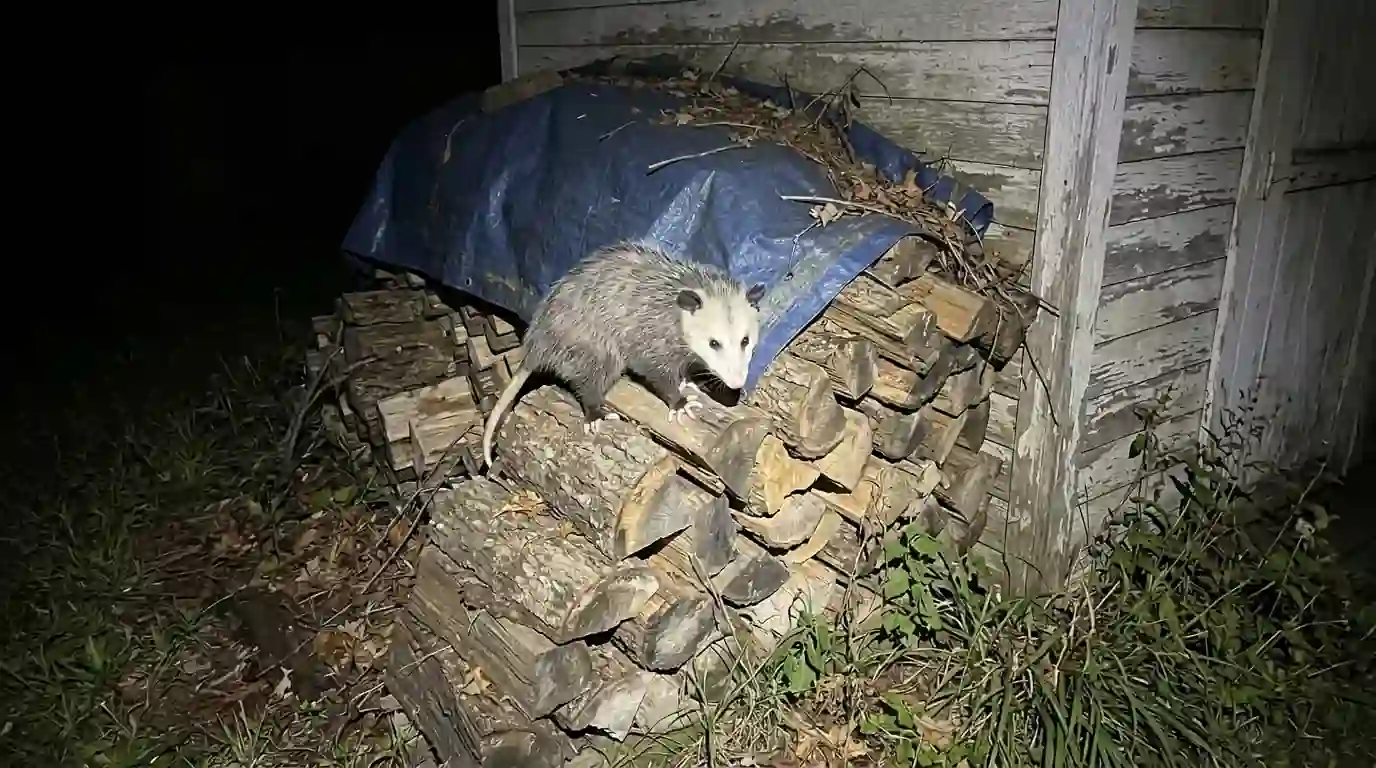
Opossum removal is straightforward cage trapping at the den entry or along the nightly route, with a seasonal wrinkle handled carefully: females carry young in the pouch or on the back much of the year, and the whole family travels together in the cage. After removal, the same trenched exclusion that ends groundhog and skunk dens bars the site, and the attractant audit, pet food, fallen fruit, open compost, accessible garbage, removes the reason your yard made the itinerary. Illinois wildlife rules govern the animal's handling, explained plainly on the call.
What this covers
An easy tenant to move, an easy lesson to keep
Opossums are nomadic opportunists more than settlers, denning a few nights wherever shelter and food line up: under decks, in woodpiles, in sheds left cracked open, occasionally in a garage whose door stood up past dusk. Trapping is correspondingly easy, cage sets at the den mouth or on the route, baited with what they came for, and the animal's famous defensive repertoire, hissing, drooling, playing dead, is bluff from a creature that almost never follows through.
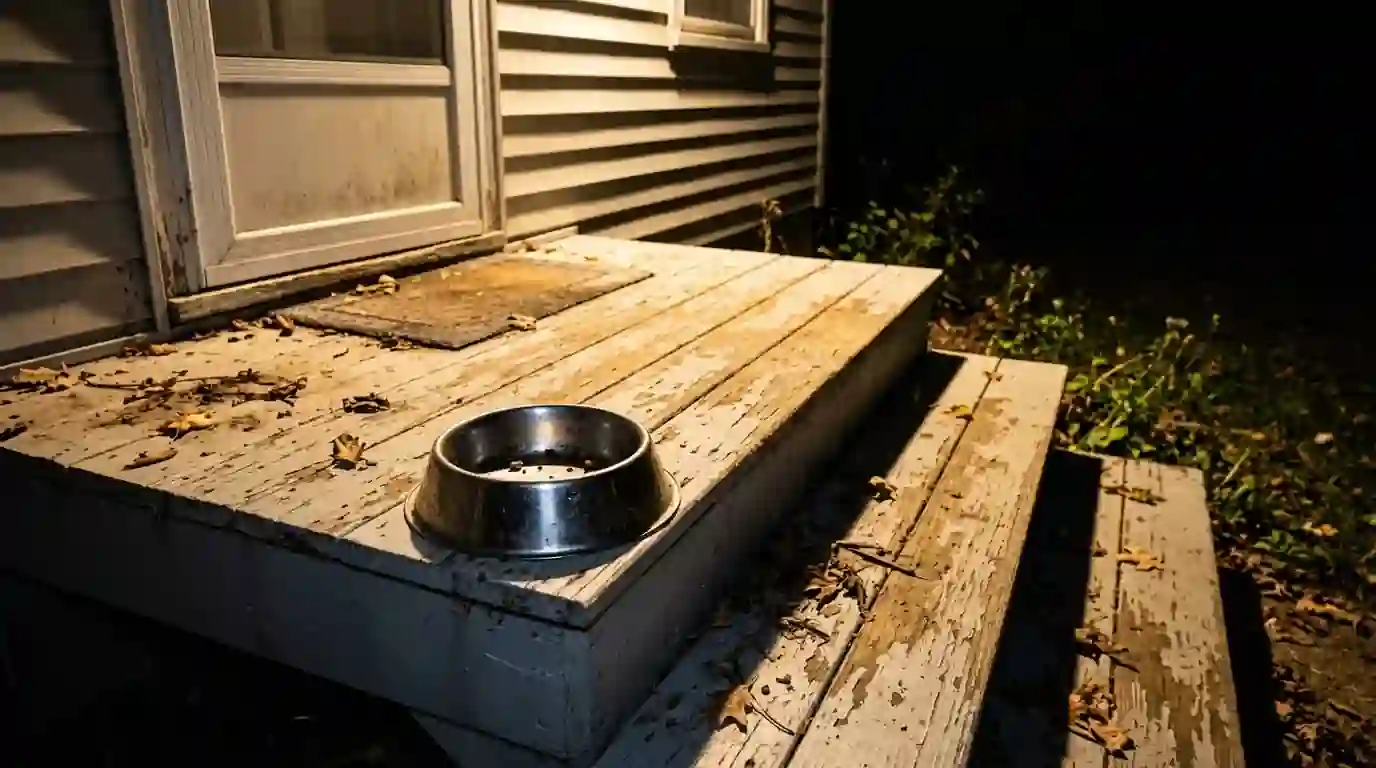
The useful work is the follow-through: the trenched barrier where a den had established, and the attractant corrections that matter more for this species than any other on the wildlife pages. An opossum in the yard is almost always a catering review, and the cat food on the porch is usually the five-star item. Fix the menu and the barrier, and this becomes the one wildlife call that rarely repeats.
Pricing, plainly
What moves the price
Opossum work quotes simply. The movers:
- Den trapping against single-visit wanderer removal
- Trap-line nights on route-based jobs
- Pouch-season family handling
- Trenched barrier footage where a den established
- Garage and interior retrievals as flat visits
- Attractant corrections folded into the plan
- Pairing with skunk or raccoon work when the den audit finds neighbors
Figures referenced are published national ranges for context, not our quote. We price your job on the phone and confirm on site before any work starts.
How we match the job
The opossum calls we take
- 01
Under-structure dens
Deck, shed and stoop residents trapped at the entry and barred after.
- 02
Garage and porch wanderers
The surprise guest among the storage, removed in a single calm visit.
- 03
Pet-food regulars
The nightly porch visitor, trapped on the route and retired by menu change.
- 04
Pouch-season families
Mothers with young handled as one unit, with the care the season demands.
- 05
Fence-line travelers
Route-based pressure on lots along the green corridors, managed with exclusion and attractant work.
Local conditions
Why this matters in Belleville
Belleville's alley and creek corridors move opossums through the older neighborhoods nightly, and the back-porch cat-feeding culture of these blocks is the species' favorite local institution. Woodpiles, raised porches and detached garages supply the shelter; persimmon and mulberry trees supply dessert in season. One genuine local credit: opossums clean up carrion, fallen fruit and garden pests along the way, and their famous resistance to rabies makes them the lowest-risk animal on this entire wildlife section, which is why relaxed, humane handling is the honest standard.
How a visit runs
How the job runs
- Den or route confirmation
The shelter or the nightly path identified, and the pouch question noted in season.
- Cage sets
Traps placed where travel is certain, baited to the attractant that drew the animal.
- Short line
Checks run the few nights the species typically needs.
- Exclusion where earned
The trenched barrier on established den sites.
- Menu corrections
Pet food, fruit and garbage access fixed so the route re-plans around your yard.
Timeline
How quickly it resolves
Garage and porch retrievals are single visits. Den and route trapping typically produces within one to three nights, the species being neither wary nor clever about cages, and exclusion installs immediately after the site verifies empty. The only patience in this job belongs to pouch season, where the family unit sets the pace by a few days. It is, start to finish, the shortest timeline on the wildlife pages.
Before you call
Questions we hear about this work
It is bluffing with everything it has, and the next act is fainting. Opossums virtually never bite unprovoked and rank among the least hazardous animals a yard can host; keep pets back and let us do the calm version.
Their low body temperature makes rabies extremely rare in the species, the standout safety fact of this page. Standard wildlife caution still applies, but the risk profile here is genuinely mild.
Possibly neither: involuntary catatonia is their signature move and can last hours. Close the interior door, give it space, and call; it will either revive and leave or ride out in our cage, unbothered.
Illinois rules govern wildlife handling and relocation, and we operate within them; the plain specifics for your case come on the phone call.
Far less; they forage rather than excavate. Eaten pet food, raided fruit and ransacked garbage are their signatures, which is why the attractant audit solves most of the pattern.
It changes care, not difficulty: the family travels as a unit in the pouch and on her back, cages as one, and gets handled with the extra gentleness the season deserves.
Honestly, a passing opossum is a net positive, and we will say so if that is your situation. The service exists for the denned ones, the pet-food standoffs and the garage sleepovers, where moving it along and fixing the draw is the right call.
Nearby problems
Jobs that often ride along
Booked most weeks in: Collinsville, Edwardsville, Granite City, Columbia, and the rest of our six-county area.
One call does it
Tell us where it is and what drew it
Den, garage or porch route, and what food is in reach; the easiest wildlife job on the site starts there.
(217) 207-0945Answered 24/7, every day