- Home
- Pest Control
- Squirrel Removal
Morning scampering, gnawed gaps, oak-to-roof commutes
Squirrel removal for the daytime runner in the attic
If the attic noise runs at dawn and dusk, it is squirrels. Gray squirrels gnaw half-inch gaps into builder-grade vents and fascia, move in along the oak limb touching your roof, and chew with rodent persistence at anything between them and shelter, wiring included. The fix is exits, metal repairs, and that limb.
Call (217) 207-0945 Browse our services
- Daytime-pattern diagnosis on the phone
- One-way exits and entry trapping
- Metal repairs squirrels cannot re-chew
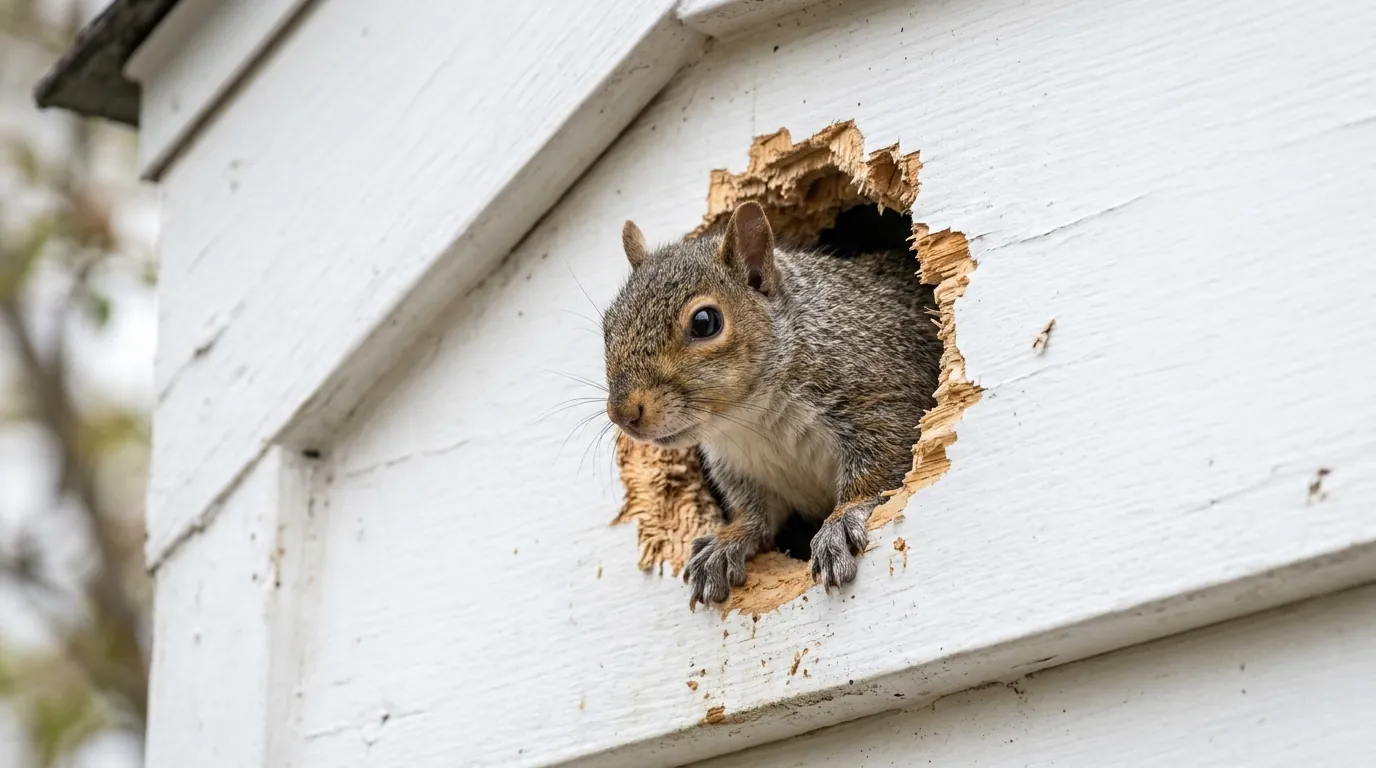
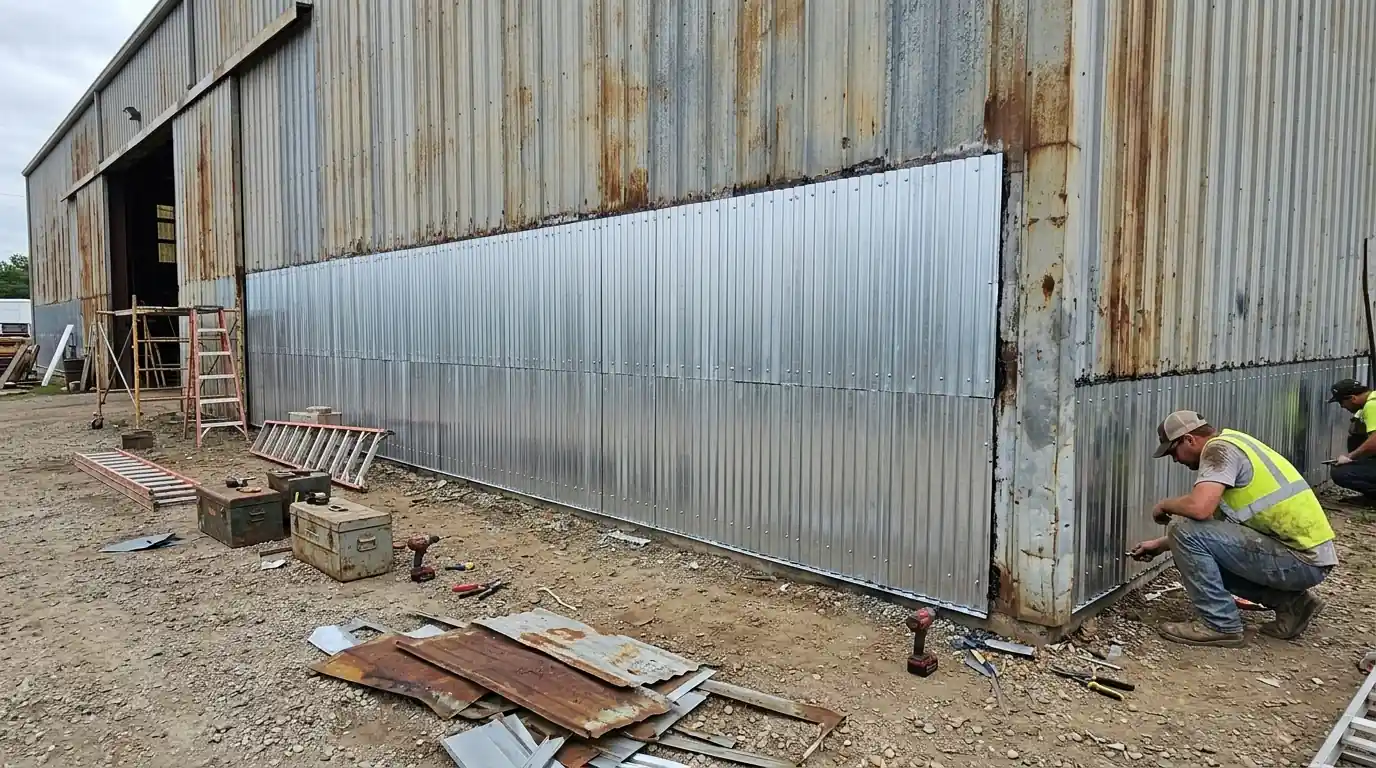
Squirrel removal works the entry: one-way doors that let the animals exit and not return, or cage sets at the opening when trapping fits better, with a nesting-season check first because spring and late-summer litters change the timing exactly as kits do for raccoons. Repairs are the permanence, sheet metal and heavy screening over the gnawed points, since squirrels re-open wood and plastic in a morning, and the tree limb bridging your roof gets named in writing because it is the actual road in.
What this covers
Exit devices, metal, and the limb
Squirrels are daylight animals, which makes diagnosis easy and urgency real: morning and late-afternoon scampering overhead, walnut shells in the attic, and gnawing sounds that are exactly what they sound like. Attic squirrels chew constantly, and wiring insulation is a favorite texture, which moves this from nuisance to fire-risk conversation and is why established attic squirrels do not belong on anyone's someday list.
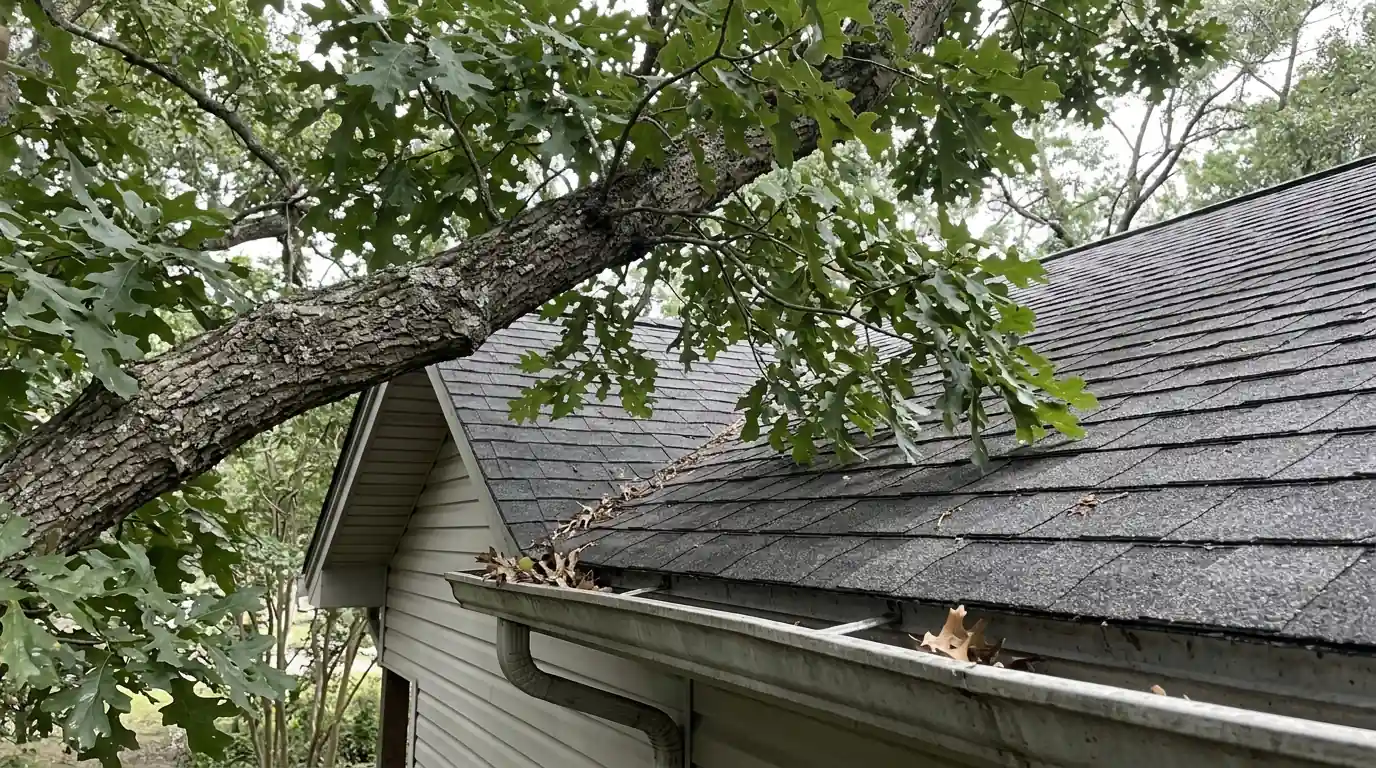
The removal itself mirrors good bat and raccoon work: find every entry, check for a litter in season, mount one-way exit devices on the active holes or trap at them, verify the attic is empty, then close everything in materials teeth lose to. The last step is arboreal honesty: squirrels commute by branch, and any limb within jumping range of the roofline is the on-ramp. We mark the specific limbs in the report; trimmed, they turn the roof back into an island.
Pricing, plainly
What moves the price
Squirrel jobs quote after the roofline look. The movers:
- Entry count and roof access height
- One-way exits against trap-line service
- Metal repair scope at the gnawed points
- Litter-season handling when a nest is up there
- Chimney retrievals and capping
- Wiring-area inspection where chew evidence shows
- Prevention screening on repeat-pressure rooflines
Figures referenced are published national ranges for context, not our quote. We price your job on the phone and confirm on site before any work starts.
How we match the job
The squirrel calls we take
- 01
Attic residents
The dawn-runner job: exits or trapping, litter check, metal repairs, done inside a week most times.
- 02
Soffit and fascia gnawers
Entry damage caught early, repaired in metal before the attic phase begins.
- 03
Chimney tumblers
The squirrel down the flue, retrieved without the living-room rodeo, and the cap installed after.
- 04
Wall-void youngsters
Juveniles fallen into wall cavities, located by sound and freed before the sadder version of this call.
- 05
Repeat-pressure rooflines
Oak-heavy lots on a prevention footing: screening, flashing and the trimming list.
Local conditions
Why this matters in Belleville
Belleville's old neighborhoods are squirrel country by design: continuous canopies of mature oaks, maples and walnuts over block after block, mast crops every fall, and rooflines of aged fascia and builder-grade gable vents within an easy jump of a limb. Gray and fox squirrels both run the canopy here, and the fall caching season is when attic entries spike, as animals convert your soffit into winter quarters a branch-hop from the food supply. On these streets the limb conversation is not optional; it is most of the prevention.
How a visit runs
How the job runs
- Pattern and entry survey
Daytime timing confirmed, every gnawed point and staining mark mapped.
- Nest check
Spring and late-summer jobs verify no dependent young before devices mount.
- Exit or trap
One-way doors or entry sets, chosen by the hole and the traffic.
- Verification
Quiet mornings and an unsprung attic confirm empty before closure.
- Metal and the limb list
Sheet metal and screening on the entries, the bridging limbs named in writing.
Timeline
How fast the attic empties
One-way exits typically clear an attic within two to five days of normal foraging traffic; trapping at the entry runs similar. Litter-season jobs wait on mobility the way raccoon kit jobs do, usually a matter of a few weeks at most. Repairs mount the same week the attic verifies empty, and the chewing stops being your ceiling's problem the day the metal goes on.
Before you call
Questions we hear about this work
Clock and calendar: squirrels run at dawn and dusk and quiet overnight; rats and mice run the night shift. Shell debris in the attic settles it, and so does a sighting on the roof.
Chewed wiring insulation is a genuine ignition risk and shows up in attic squirrel jobs regularly. It is the reason established attic squirrels get treated as a this-week problem at our shop.
And the squirrels thanked whoever installed it. Teeth that open walnuts open pine and foam; sheet metal and heavy screening are where the chewing ends.
Keep the glass or screen closed, do not open the damper into the room, and call; flue retrievals are quick and routine for us and chaotic for everyone else. The cap we install after is why it will not repeat.
Squirrels jump roughly a car-length horizontally, so limbs cut back past that range remove the commute for all but the most athletic. Combined with metal entries, the roofline goes quiet.
Season jobs get the nest check first, and devices wait for mobility; separating a litter creates the gnawing-mother problem and a worse outcome all around. The schedule honesty is part of the service.
It is, in the wooded corridors: tiny gliders with a strictly nocturnal pattern that mimics mice overhead. Same exclusion logic, smaller holes, and we will tell you which animal your sounds describe.
Nearby problems
Jobs that often ride along
Read first: Noises in the attic: a homeowner's guide to figuring out what moved in.
Booked most weeks in: East Belleville, Dutch Hollow, Royal Heights, O'Fallon, and the rest of our six-county area.
One call does it
Tell us when the noise runs
Dawn-and-dusk or dead of night; the clock names the animal, and the roofline look sets the price.
(217) 207-0945Answered 24/7, every day