- Home
- Pest Control
- Bat Removal
The attic colony and the one flying in the hallway
Bat removal done the legal, humane, season-smart way
Bats are evicted, not exterminated, and the calendar decides when. Illinois bats are protected and valuable, so removal means one-way exclusion devices that let the colony leave and not return, timed around the summer maternity season when flightless pups are upstairs. The bat circling your bedroom tonight is a different, faster call, and we answer it at any hour.
Call (217) 207-0945 Browse our services
- One-way exclusion, never poison
- Maternity-season timing respected
- Night calls for bats in living space
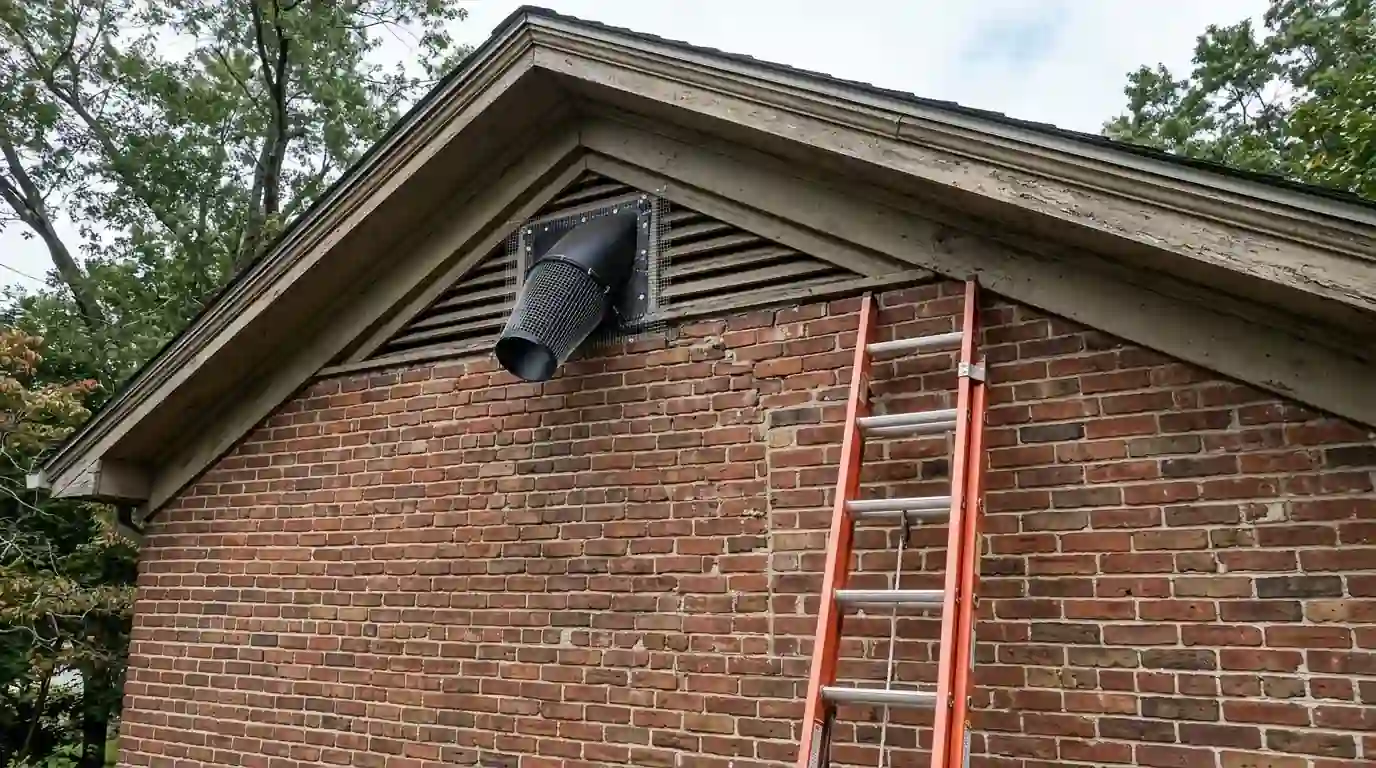
Bat removal has two speeds. A bat in your living space is the urgent one: we talk you through containment on the phone and address the health-contact question honestly, because any possible sleeping-person or child contact changes the advice. A colony in the attic gets the methodical one: inspection to find the entry gaps, one-way exclusion valves that let bats exit and not re-enter, full sealing after the attic empties, and guano cleanup done with proper protection. Exclusions are scheduled around the June-to-early-August maternity window so flightless pups are never sealed upstairs.
What this covers
Eviction by valve, on the right dates
Colonies enter through gaps as small as a half inch: gable and ridge vents, chimney flashing, soffit returns, the junction where rooflines meet. The inspection reads staining, guano and dusk fly-outs to find every active opening, then one-way valves go on the main entries while every other gap is sealed. Over the following nights the colony exits to feed and cannot return; the valves come off and the last openings close.
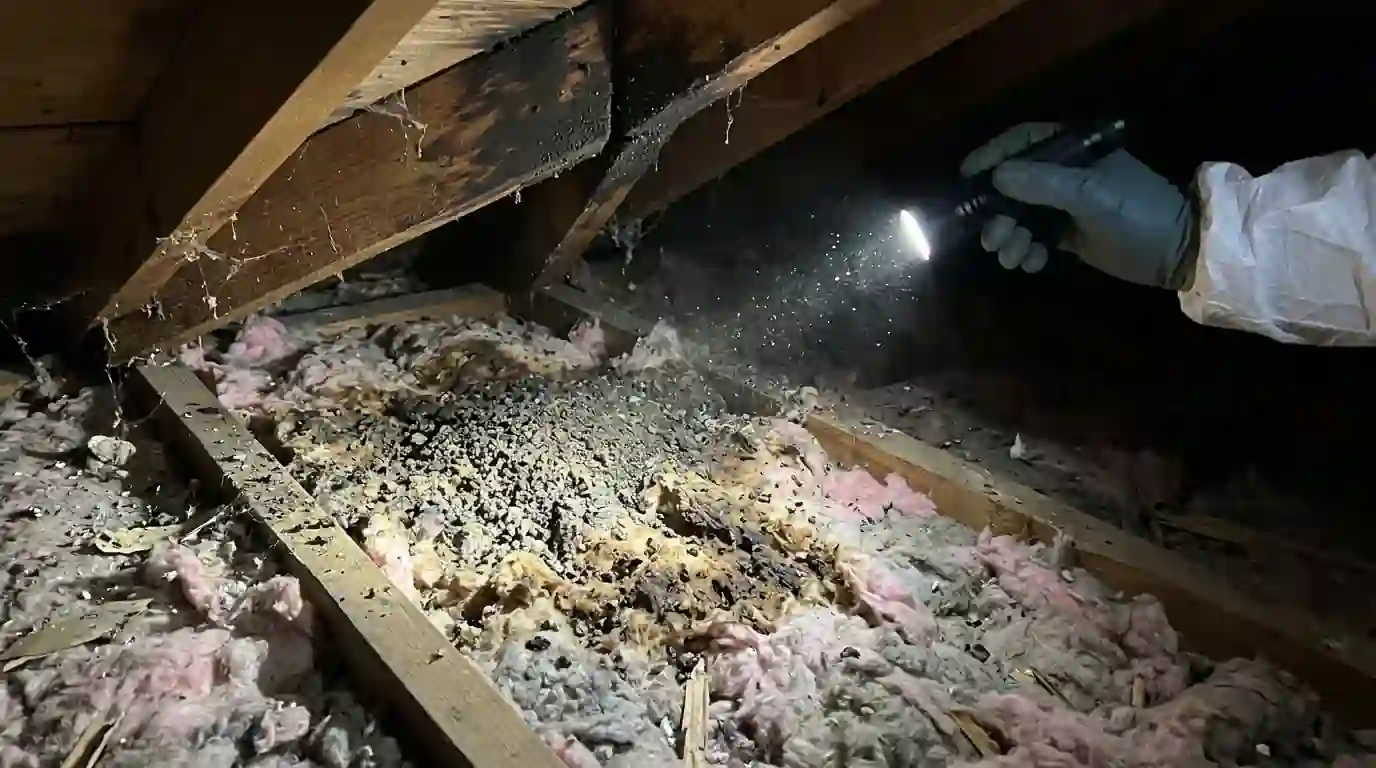
Timing is the ethics and the law of this work. Mid-summer attics hold pups that cannot fly, and an exclusion run then starves them in your walls, which is illegal, inhumane and a smell you would not forget. Spring and late-summer-into-fall are the windows, and colonies found in the closed season get a dated plan rather than a shortcut. Cleanup is the final third: accumulated guano is handled with respirator-grade protection because of histoplasmosis risk, never dry-swept, with soiled insulation bagged out and the space sanitized.
Worth catching early
Signs the attic has tenants
Dusk fly-outs
Bats emerging from one roofline point at dusk is the colony showing you its door.
Staining at a gap
Brown rub marks around a vent or flashing edge mark a used entry.
Chirping in walls at dusk
High chatter from a wall or chimney void as evening falls is roost traffic.
Guano accumulation
Pellet piles below a gable point, crumbly and glittery with insect parts, date the roost.
A bat indoors, twice
Two living-space bats in a season means a colony upstairs, not bad luck.
Ammonia odor upstairs
A sharp smell at the attic hatch on hot days is an established roost announcing itself.
How we match the job
The bat work we run
- 01
Attic colony exclusion
Valves, sealing and verification, scheduled to the season, for established roosts.
- 02
Bat-in-the-house response
The tonight call: containment coaching, capture and the honest exposure conversation.
- 03
Chimney and wall-void roosts
Flue and void colonies excluded at their own entry points with the same valve method.
- 04
Post-exclusion cleanup
Guano removal, insulation replacement where soiled, deodorizing and sanitizing.
- 05
Bat-proofing older homes
Preventive sealing of the vents and junctions Belleville rooflines offer, before a colony finds them.
How a visit runs
How a colony job runs
- Inspection and fly-out count
Entries mapped by staining and dusk observation; colony scale estimated.
- Season check
The calendar consulted first; maternity-window jobs get dated plans.
- Seal and valve
Secondary gaps closed, one-way valves on the active doors.
- Exit verification
Nights of egress confirmed before anything final closes.
- Final seal and cleanup
Valves off, last gaps shut, guano handled with proper protection.
Timeline
Timelines, honestly
Living-space bat calls are answered at any hour and usually resolved the same night. Colony work runs in phases: inspection and sealing of secondary gaps first, valves on for roughly three to seven nights of exits, then final sealing and cleanup, with the whole arc typically inside two weeks in the open season. Jobs landing in the maternity window get their exclusion dated for its close, with interim sealing of living-space routes so the family upstairs stays upstairs.
Local conditions
Why this matters in Belleville
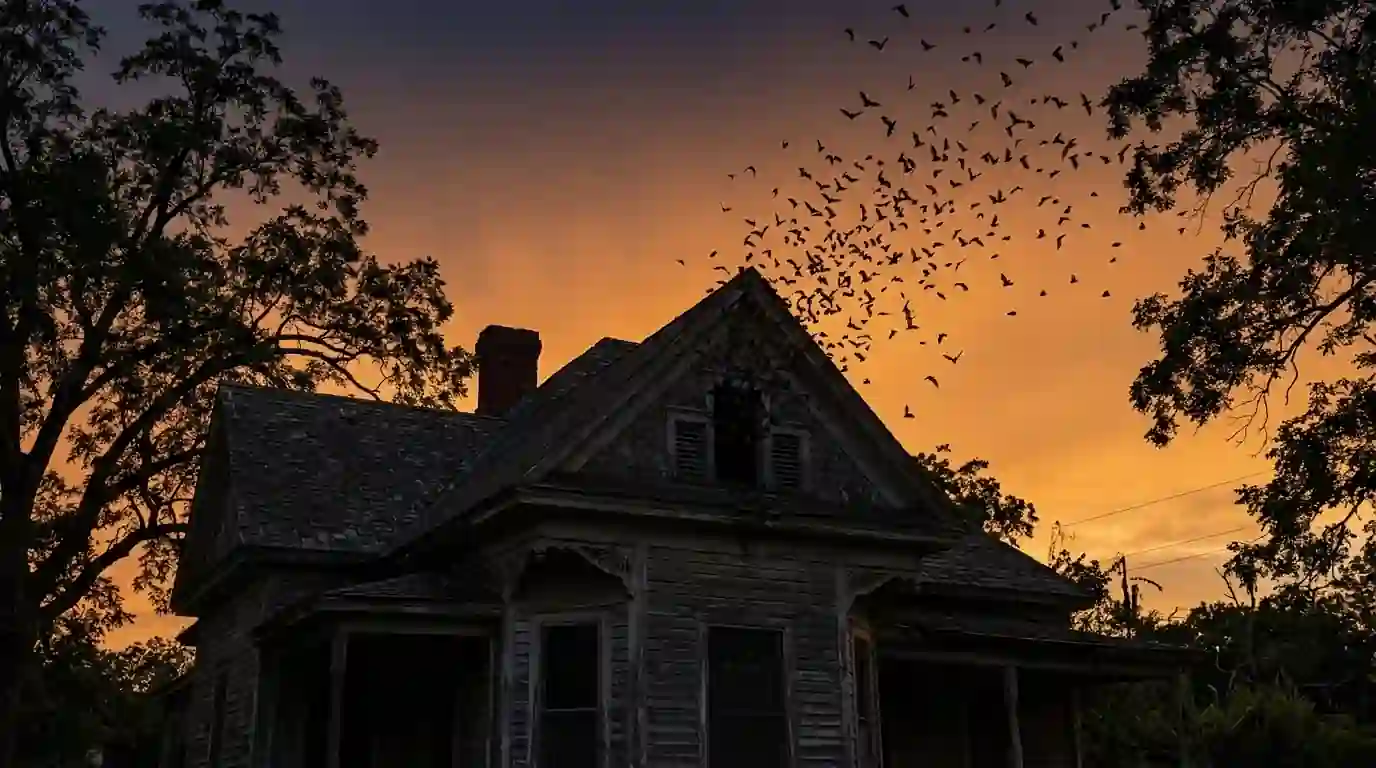
Belleville's pre-war housing is bat architecture: slate and tin rooflines with aged flashing, unscreened gable vents, brick chimneys with gapped crowns, and quiet attics over every block of the historic district. The region's bats, little browns and big browns chiefly, earn their keep eating moths and mosquitoes all summer along the creek corridors, which is exactly why Illinois protects them and why eviction is engineering rather than extermination here. August is our heaviest month for the bedroom-bat call, as pups begin flying and misjudge the hallway for the sky.
Pricing, plainly
What moves the price
Bat jobs quote after inspection, since entry count and cleanup drive everything. The movers:
- Entry-point count and roofline access
- Valve installations and the verification nights
- Full-structure sealing scope after the exit
- Guano volume and insulation replacement needed
- Chimney and void roosts adding access work
- Height, since steep and tall is ladder-and-time
- Single-bat response against full colony programs
Figures referenced are published national ranges for context, not our quote. We price your job on the phone and confirm on site before any work starts.
Before you call
Questions we hear about this work
Close interior doors, open a window to the outside, keep people and pets out, and call; we will coach you through it live. If anyone was asleep in the room, or a child or pet may have had contact, say so first, because that changes the advice toward health authorities before anything else.
That is a medical call, not a pest control one, and the honest answer is: possible-contact situations, including a bat in a sleeping person's room, warrant a same-day conversation with your doctor or the county health department. We will capture the bat so testing stays an option.
No, and anyone offering to is describing something illegal in Illinois and messy in your walls. One-way exclusion is the lawful, humane method, and it genuinely works.
Flightless pups. Excluding adults mid-maternity leaves the young to die in your attic, which is prohibited and self-punishing. We seal your living space now and date the eviction for when every bat can fly.
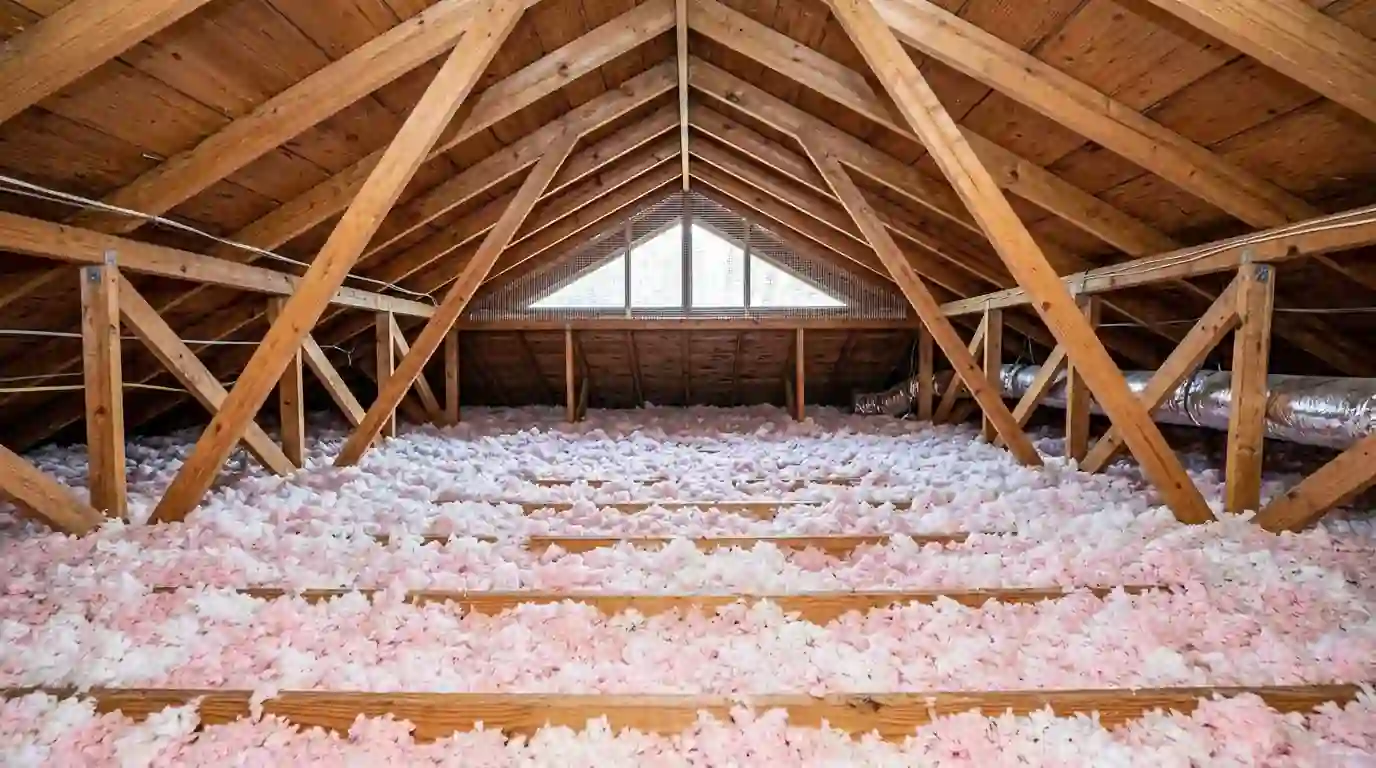
Disturbed accumulations can carry histoplasmosis spores, which is a real respiratory risk, so cleanup uses respirators, wet methods and containment rather than a shop vac. It is the part of this job most worth not doing yourself.
Not through a sealed roofline; bats are loyal to structures exactly as long as the holes are. The final sealing is the permanence, and we document every closed gap.
A single colony clears astonishing numbers of night insects over your neighborhood each summer, mosquitoes included. Evicted from the attic and left to the sky, they are the best pest control on this entire site.
Nearby problems
Jobs that often ride along
Read first: Noises in the attic: a homeowner's guide to figuring out what moved in.
Booked most weeks in: Clinton County, Washington County, Randolph County, Old Belleville, and the rest of our six-county area.
One call does it
Bat upstairs or bat in the hallway, call it in
Say which one it is; the hallway version gets answered tonight, and the attic version gets a dated plan.
(217) 207-0945Answered 24/7, every day