- Home
- Pest Control
- Tick Control
The yard edges, treated where ticks actually wait
Tick control for yards that back onto brush and creek lines
Ticks do not roam your lawn; they wait at its edges. They quest from tall grass, brush lines and leaf litter where yard meets wild, latching as you or the dog brush past. Effective control treats that transition zone hard, manages the habitat, and leaves the open sunny lawn alone because ticks cannot survive there anyway.
Call (217) 207-0945 Browse our services
- Edge and transition-zone focus
- Timed to spring and fall peaks
- Habitat changes that outlast any spray
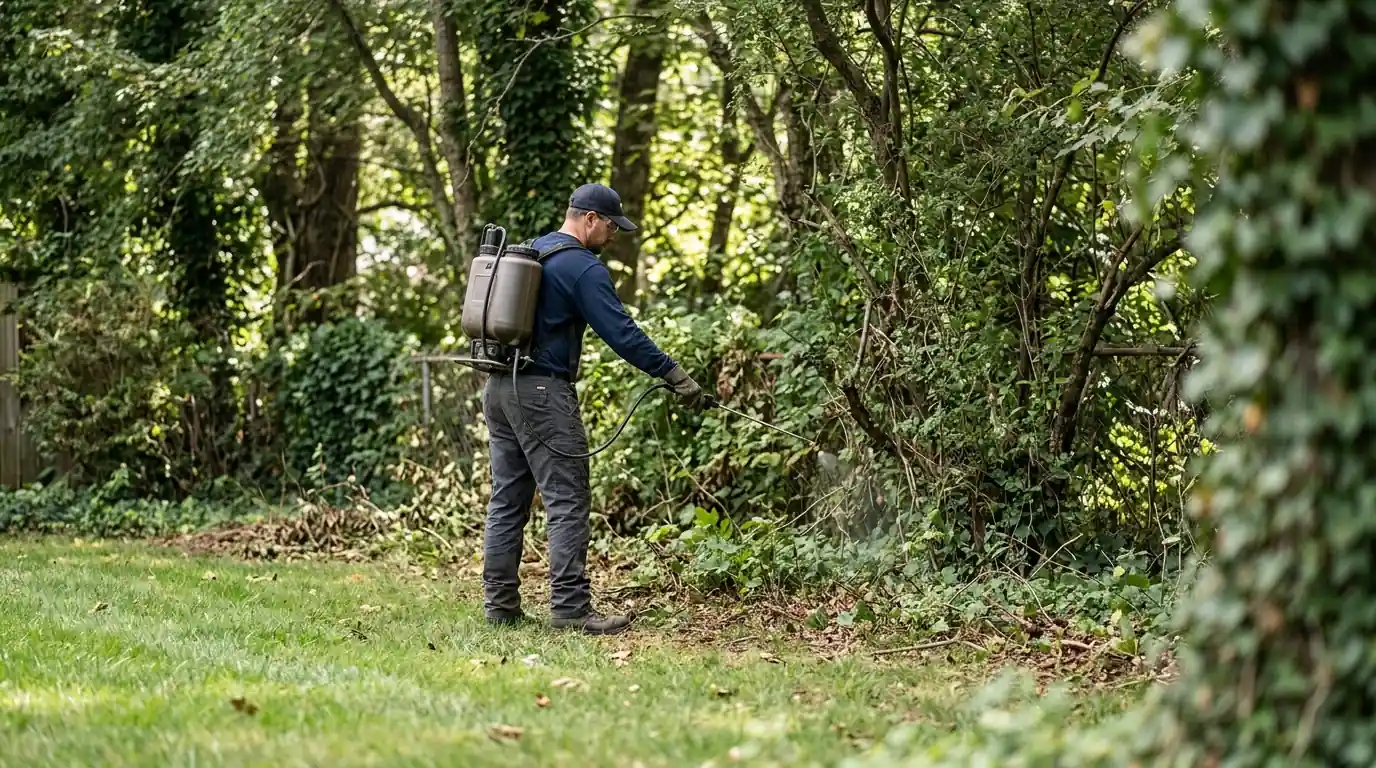
Tick control is edge warfare: barrier applications along the wooded borders, brush lines, tall-grass margins and leaf-litter zones where ticks quest, plus the shaded ornamental beds and under-deck areas pets pass through. Two treatments anchor the season, spring for the nymph surge and late summer for adults, with the heavy-pressure add-ons in between for yards that earn them. Habitat work, mowed margins, cleared litter, a mulch buffer, multiplies everything the treatment does.
What this covers
Treat the edge, starve the habitat
Ticks need humidity and hosts, which pins them to the shaded, vegetated margins: the fence line into the neighbor's brush, the creek-side treeline, the ivy bed, the leaf litter under shrubs. Our barrier applications saturate those zones and the travel corridors between them and your living space, with special attention to where pets patrol, because the dog is the family member sampling the edge daily.
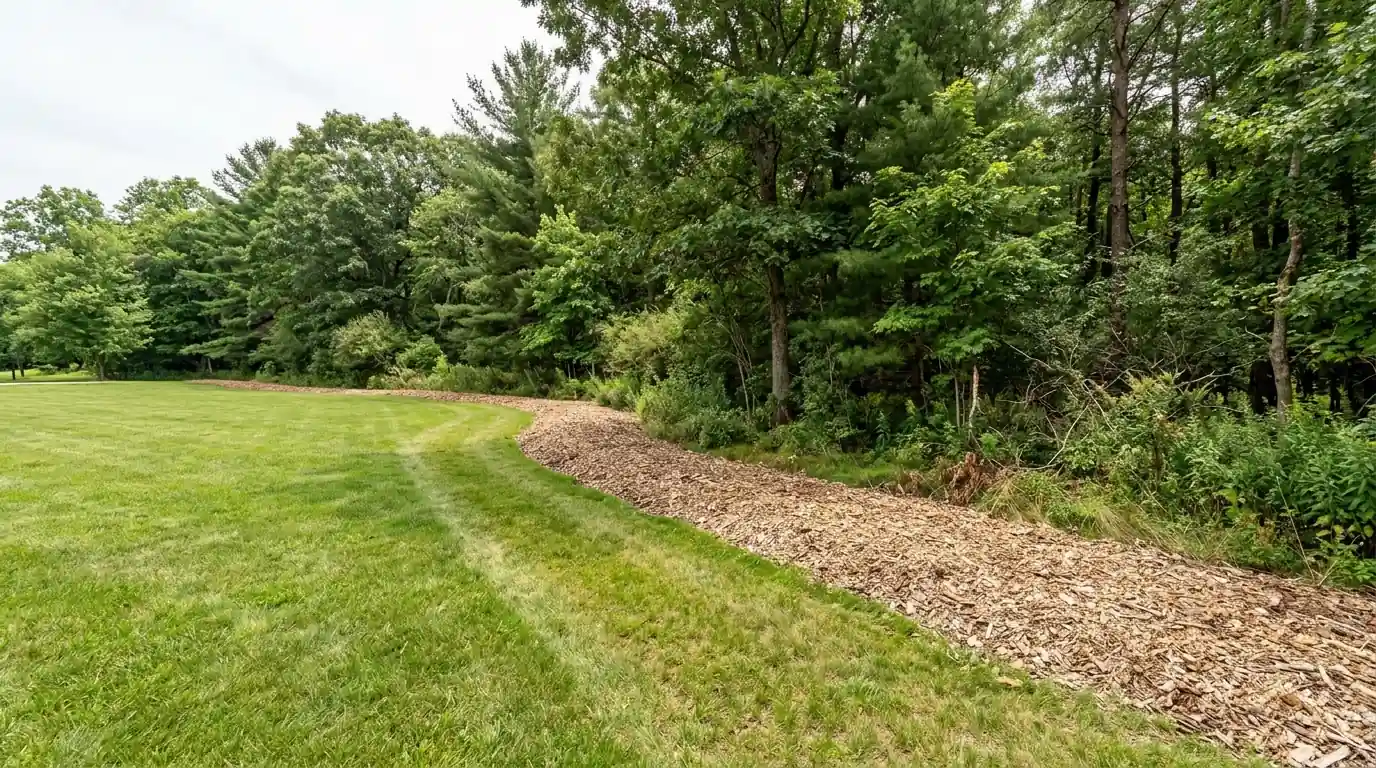
Habitat management is the half that compounds. A mowed buffer strip where lawn meets woods, leaf litter cleared from the margins, a three-foot wood-chip band along the treeline, wood piles stacked off the ground and tidy, and the mouse harborage those changes remove all cut tick survival directly, since ticks acquire pathogens from the mice and small hosts living in exactly that cover. The service maps your yard's specific zones and leaves the habitat list in writing.
On your side
Household habits that close the gap
- Keep the lawn-to-woods buffer mowed short all season
- Clear leaf litter out of the margins each spring and fall
- Lay a three-foot wood-chip band where yard meets treeline
- Keep the dog on vet-recommended tick prevention; the yard and the animal are one system
- Run full-body checks after any time in the brush, same day
- Shower within two hours of heavy yard work in the margins
- Dry clothes on high heat ten minutes after trail days; it kills hitchhikers wash water misses
How we match the job
The tick situations around here
- 01
Seasonal barrier program
Spring and late-summer treatments of the quest zones, the backbone of residential tick control.
- 02
Wooded-lot intensives
Monthly in-season service for properties backing onto timber, creek corridors and the bluff edges.
- 03
Pet-driven programs
Yards mapped to the dog's actual patrol routes, synced with the vet-side prevention the animal needs anyway.
- 04
Event preparation
A treatment ahead of the graduation party or reunion on a yard that borders brush.
- 05
Trail and acreage edges
Mowed-path and margin treatment for larger properties, concentrating product where people actually walk.
Local conditions
Why this matters in Belleville
St. Clair County yards meet wild land constantly: creek corridors, the wooded bluffs, rail lines, and the brushy field edges behind newer subdivisions all hold the deer and mice that keep tick populations stocked. Illinois tick seasons run roughly April through October, with lone star and American dog ticks the common finds and deer ticks present in the wooded corridors. Yards backing onto any green corridor here carry real pressure, and the edge-focused barrier is the difference between checking the kids nightly and mostly not having to.
How a visit runs
How the service runs
- Zone mapping
The quest edges, pet routes and shaded harborage identified on a walk of the lot.
- Drag check
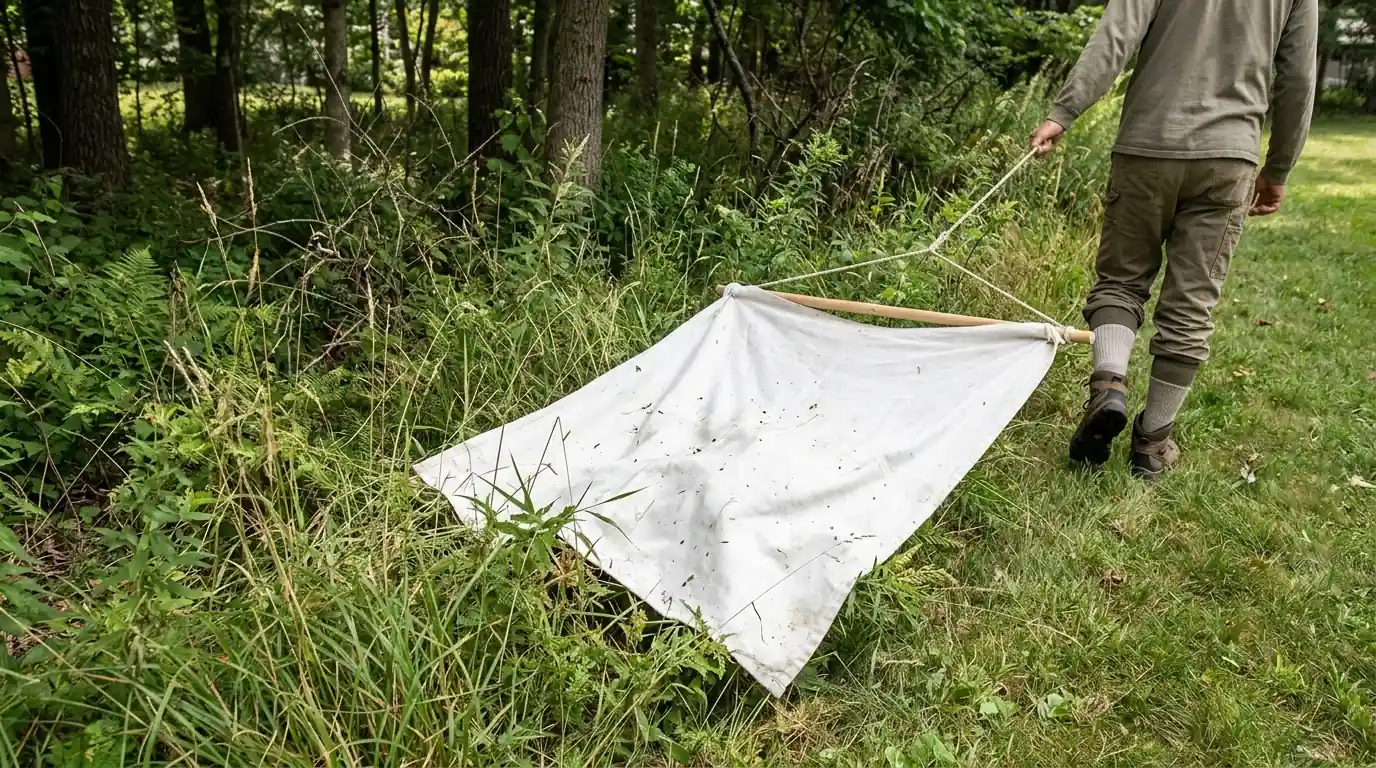
A cloth drag along the margins reads the real pressure before and after.
- Barrier application
The edges, transitions and corridors treated thoroughly; the open lawn left alone.
- Habitat list
The buffer, litter and wood-pile changes that multiply the treatment, in writing.
- Season cadence
Spring and late-summer anchors, with intensives only where the drag says so.
Pricing, plainly
What moves the price
Tick service quotes by edge footage rather than lot size. What moves it:
- Linear footage of treatable edge: treeline, brush, fence and bed margins
- Two-visit seasonal baseline against in-season monthly intensives
- Shaded bed, ivy and under-deck zones added to the edges
- Habitat workload where litter and brush need the first clearing
- Acreage paths and trail margins on larger properties
- Pairing with mosquito service, which shares visits and saves money
- Pressure level, read from drag sampling on the first visit
Figures referenced are published national ranges for context, not our quote. We price your job on the phone and confirm on site before any work starts.
Before you call
Questions we hear about this work
Edge-targeted barriers cut questing tick counts sharply in treated zones, which drag sampling shows plainly before and after. Paired with the habitat buffer, the yard's risky band shrinks to the untreated wild side of the fence.
Lone star and American dog ticks most commonly, with deer ticks in the wooded and creek corridors. All three argue for the same edge program; the differences matter more to your doctor than to the treatment.
Applications target the shaded quest zones, not flowering beds or open play lawn, and re-entry is simply letting treated edges dry. Keeping product off blooms is part of the method, not a favor.
Spring as nymphs surge, late summer as adults peak; those two anchor visits carry most yards. Call when you pull the first tick of the year and we will time it from there.
The treated and buffered zones, close to it; the wild edge beyond your line, no. Honest tick control shrinks the encounter zone and keeps checks a habit rather than a nightly surgery.
Less than the famous claim suggested; the research behind it has not held up. Habitat and host management beat folklore, and the buffer strip outperforms any yard animal.
The services pair naturally, same visits, overlapping zones, and bundling them is the cheapest way to buy back your own back yard for the season.
Nearby problems
Jobs that often ride along
Read first: Mosquito season in the Metro East: when it starts and when it peaks.
Booked most weeks in: Old Belleville, Signal Hill, Belleville West, East Belleville, and the rest of our six-county area.
One call does it
Describe your yard's edges
What the lot backs onto and where the dog patrols; the edge footage sets the price and the season sets the dates.
(217) 207-0945Answered 24/7, every day