- Home
- Pest Control
- Termite Treatment
Active colonies ended, structures protected
Termite treatment matched to the colony, the soil and the house
There are two proven ways to end a subterranean termite colony, and the right one depends on your house. A liquid soil barrier turns the soil itself lethal to the colony; a bait system recruits the workers to carry the end home. We install both, and we will tell you which fits your foundation before quoting a dollar.
Call (217) 207-0945 Browse our services
- Liquid barriers and bait systems
- Priced by the linear foot, quoted before work
- Follow-up monitoring included
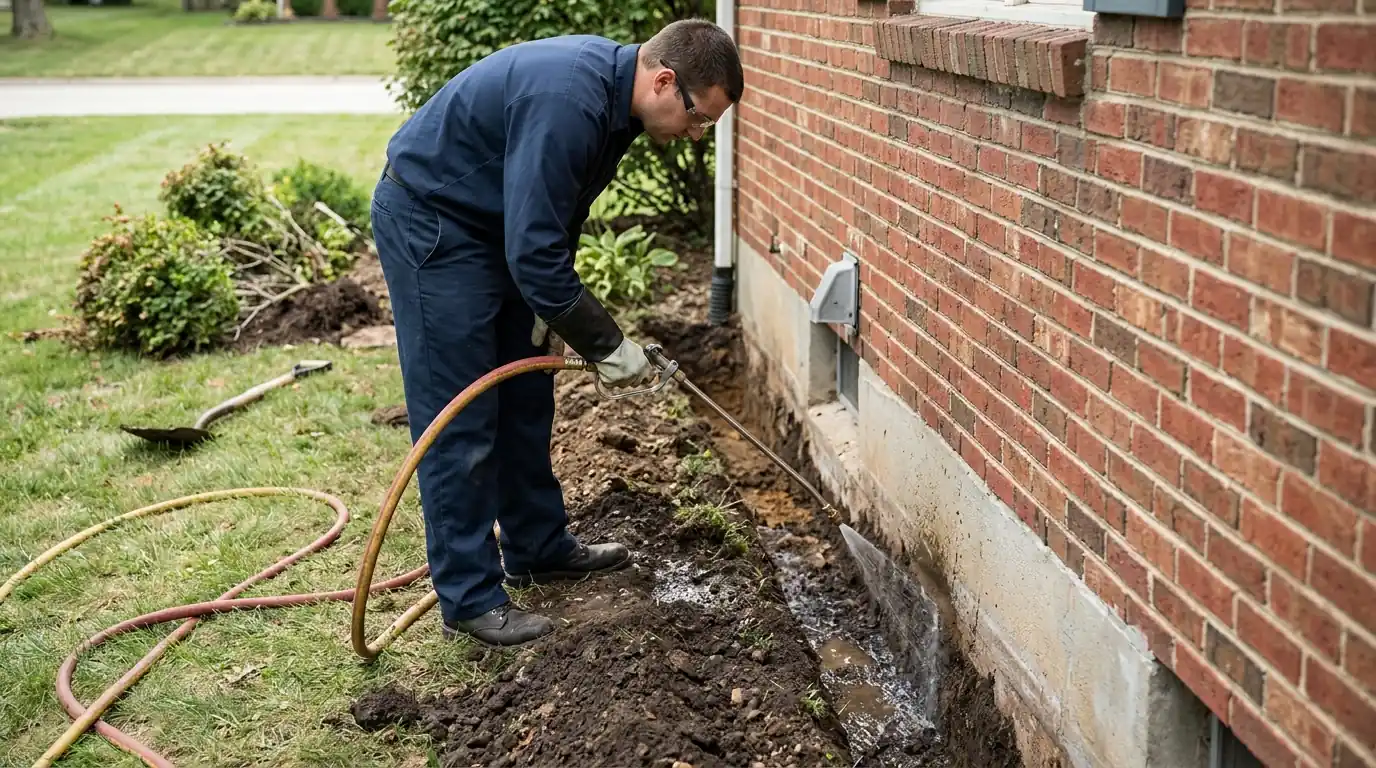
Termite treatment for the eastern subterranean termites in this zone takes one of two forms: a liquid termiticide barrier trenched and injected into the soil around the full foundation, or an in-ground bait system the colony feeds on and carries back to the nest. Both end active colonies; they differ in disruption, timeline and how protection is maintained. National published averages run around $621 for typical treatments, with bait systems priced around $8 to $12 per linear foot. Your number comes from your foundation's measurements, on the phone and then confirmed on site.
What this covers
Two systems, honestly compared
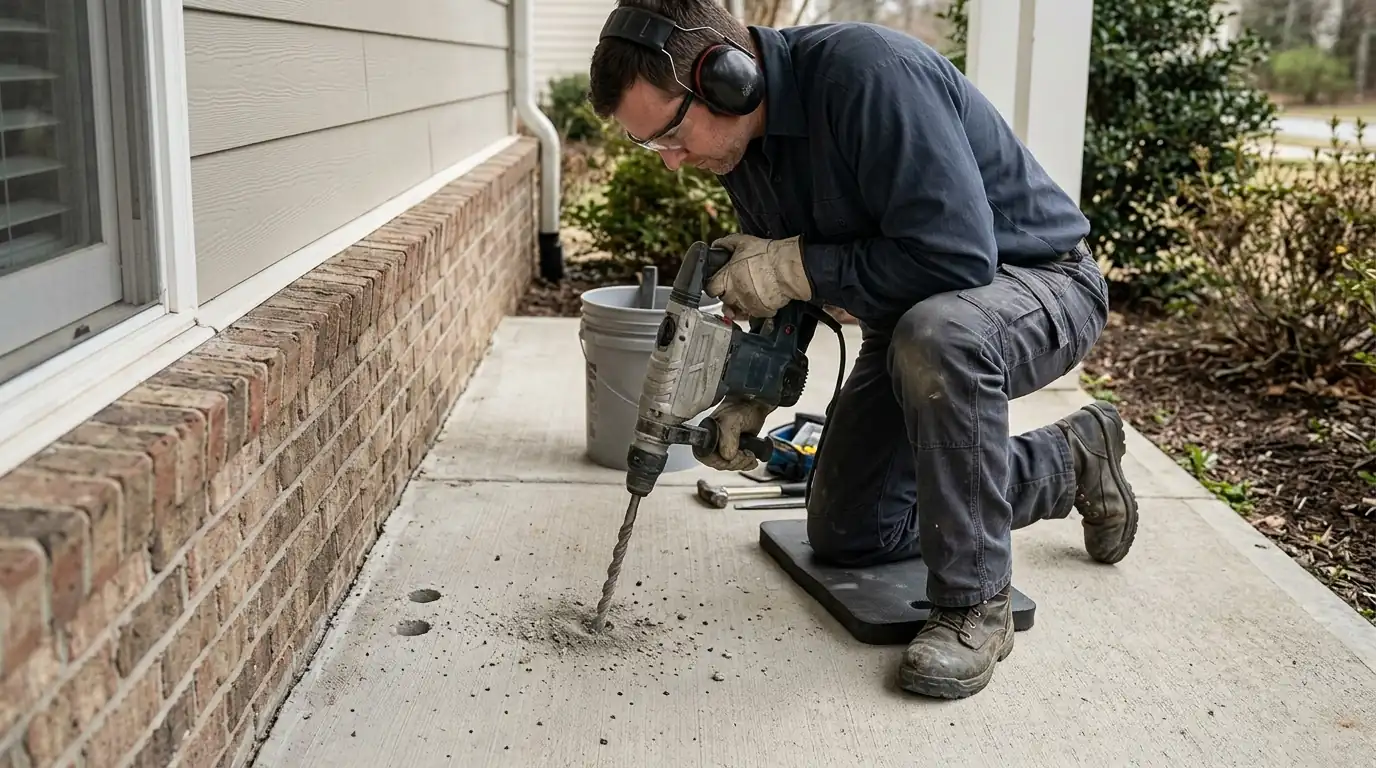
A liquid barrier is the direct route: a narrow trench along the foundation, termiticide applied into the soil, and drilled injection through slabs, porches and walks where they meet the structure. Modern non-repellent termiticides are the reason this works so well; foragers cannot detect the treated zone, tunnel through it, and transfer the active ingredient through the colony. Protection is immediate at the structure and lasts years.
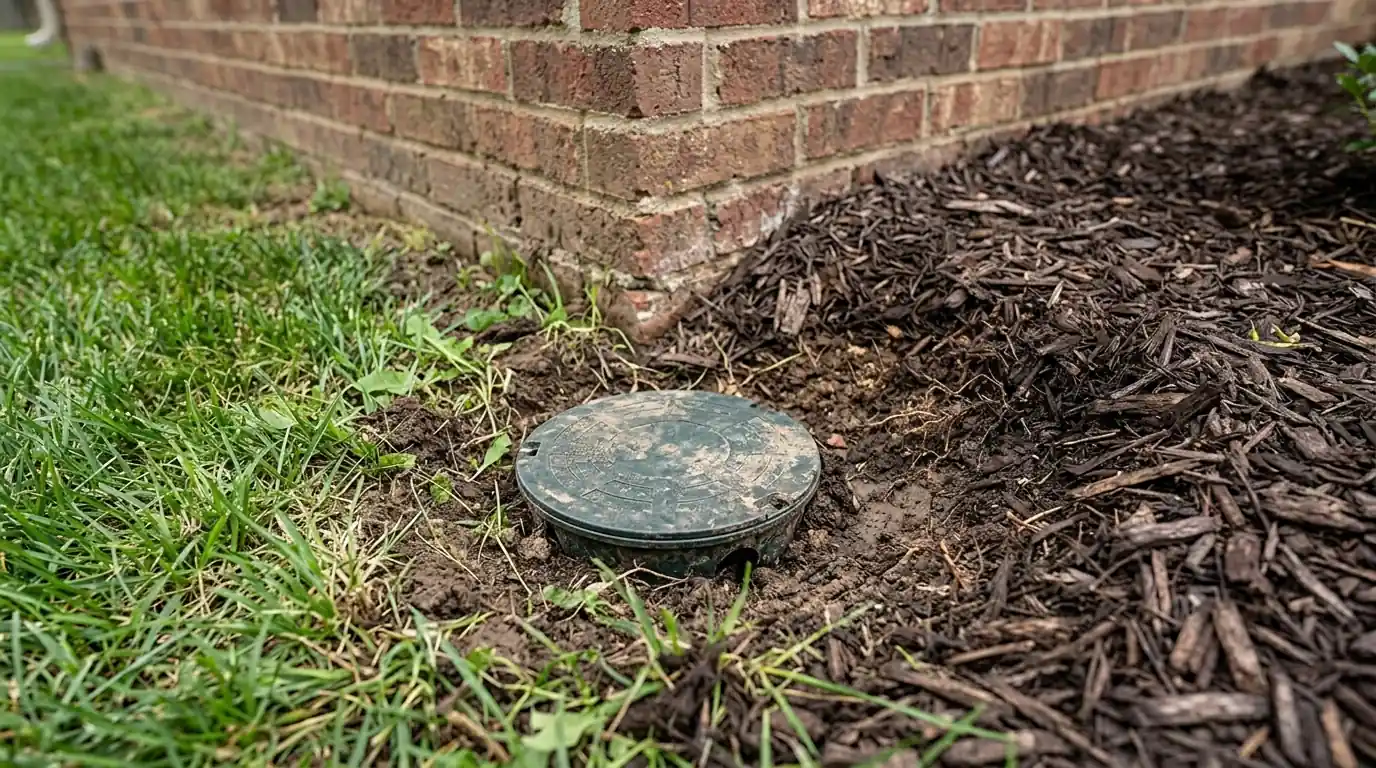
A bait system takes the colony apart from a distance: stations set in the soil around the perimeter, checked and loaded with a growth-inhibitor bait that workers share until the colony collapses. It needs no trenching, no drilling and no volume of termiticide in the soil, which suits some properties and some owners better, in exchange for a slower kill and a monitoring schedule that is the protection.
Pricing, plainly
What moves the price
Treatment is priced from your foundation's linear footage and construction. What moves it:
- Linear feet of foundation, the base of every quote
- Foundation type: slabs, porches and attached garages mean drilling and injection time
- Liquid barrier against bait system, priced differently and maintained differently
- Soil and drainage conditions along the trench line
- Severity and spread of the active infestation
- Monitoring and warranty terms you choose to carry forward
- Published context: about $621 average nationally, $264 to $1,032 typical, bait at $8 to $12 per linear foot
Figures referenced are published national ranges for context, not our quote. We price your job on the phone and confirm on site before any work starts.
Choosing between them
Liquid barrier or bait system
| Liquid barrier | Bait system | |
|---|---|---|
| Speed of protection | Immediate at the structure | Builds as the colony feeds, weeks to months |
| Disruption | Trenching plus drilling at slabs, one day | Stations in soil, no drilling |
| Colony outcome | Transfer through foragers ends activity at the structure | Colony-level collapse from growth inhibitor |
| Maintenance | Barrier holds for years; periodic inspection | Scheduled station monitoring is the protection |
| Typical fit | Active infestation, conventional foundation | Sensitive sites, monitoring-minded owners |
How we match the job
How jobs differ by structure
- 01
Full-perimeter liquid treatment
The standard for active infestations in basement and crawl-space homes: trench, treat, inject at slabs, done in a day.
- 02
Bait system installation
Perimeter stations installed and scheduled; the right call where drilling and trenching are unwelcome or soil conditions fight liquids.
- 03
Spot and partial treatments
Limited, honest use only: an isolated porch or addition, always explained against the risk the colony is wider than the spot.
- 04
Pre-construction treatment
Soil treated before a slab pours or an addition goes up, the cheapest termite protection a structure will ever get.
- 05
Combination programs
Liquid at the structure plus bait interception further out, used on heavy-pressure lots and homes with repeat histories.
Local conditions
Why this matters in Belleville
This zone rates moderate to heavy for a reason. Eastern subterranean termites are active in soil across St. Clair County, swarm season runs March through May, and Belleville's housing hands them what they want: pre-1940 structures around Old Belleville and Hexenbukel with stone foundations, mixed slab-and-basement footprints from decades of additions, and mature-yard moisture. The angi published range for treatment nationally runs from the low hundreds for small spot work toward $1,750 at the heavy end, and old-town homes with complicated foundations are the ones that earn the upper half. The measurement, not the fear, sets the price.
How a visit runs
From finding to protected
- Confirm and measure
Active evidence verified, the foundation measured, both options priced in writing.
- Prep
Treatment lines cleared; for liquids, the trench route is set and slab points marked.
- Treatment day
Trench, treat and inject, or stations installed; most homes are done inside a day.
- Verification window
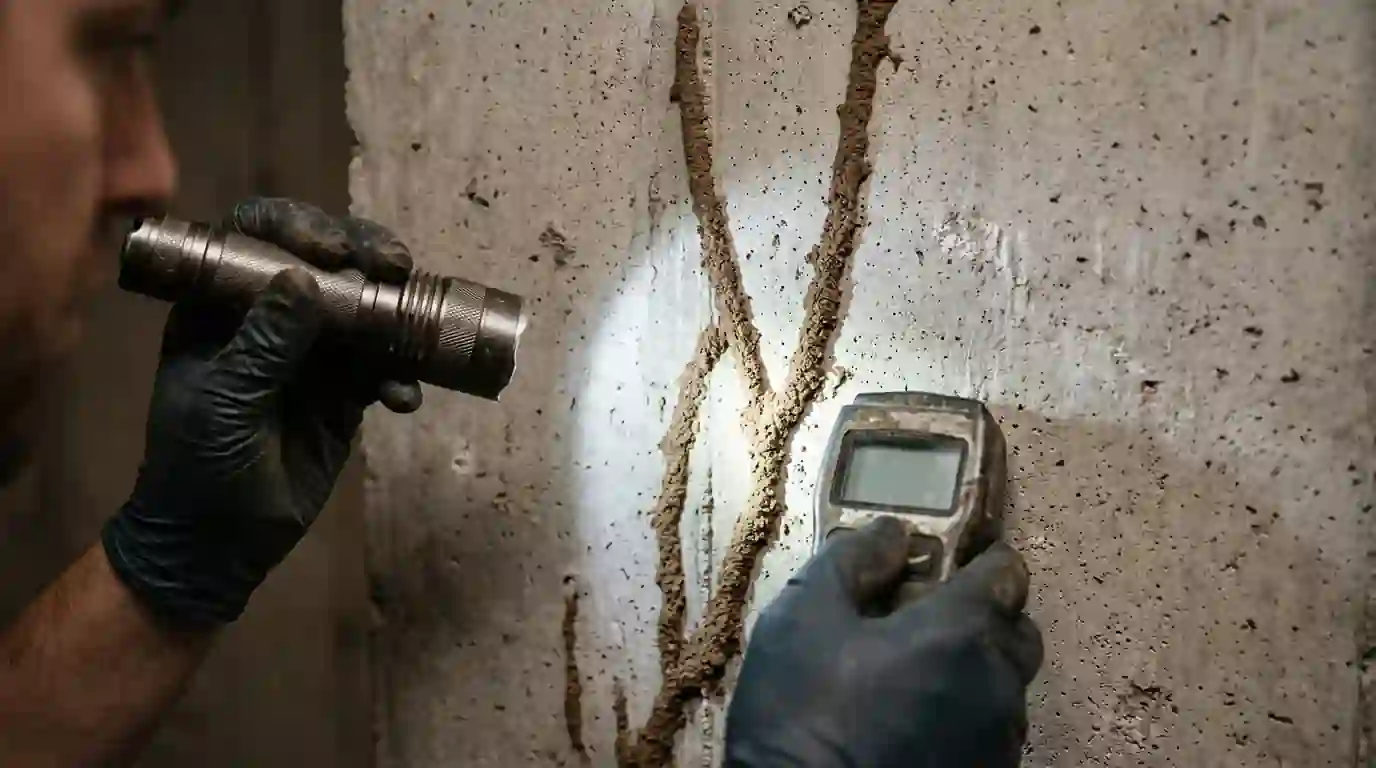
Activity is rechecked after the label interval; tubes stay broken only if the colony is done.
- Standing monitoring
Annual inspection for liquid jobs, scheduled station checks for bait, so protection outlives the invoice.
Worth catching early
Why waiting costs more than treating
Feeding never pauses
Subterranean colonies work year round in heated-structure soil; the damage line only moves one direction.
Spring swarms seed new colonies
Every March-to-May swarm from an untreated colony is a chance at a second colony on the same lot.
Moisture widens the front
Gutter overflow and grade problems pull foragers to new sections of foundation while you wait.
Repairs dwarf treatment
Sill and joist repair invoices routinely pass the cost of the treatment that would have prevented them.
DIY sprays scatter, not stop
Repellent store products push foragers to new entry points and make professional treatment harder to verify.
Sales pressure is its own warning
Any inspector demanding a signature today is selling urgency; real colonies give you a week to decide.
Before you call
Questions we hear about this work
For confirmed active infestations in conventional basement or crawl homes, the liquid barrier, because protection is immediate. Bait earns the call on sensitive sites, difficult soils, and for owners who prefer monitoring over soil volume. We will tell you which yours is and why.
The termiticide goes into soil along the foundation at labeled rates, not into living space. Normal household life resumes the same day; we walk you through the specifics for your product and site before work starts.
Modern non-repellents hold protective levels in soil for years; annual inspections confirm the barrier is intact and catch any bridging, like new landscaping or grade changes over the treated line.
Foraging termites typically find stations within weeks; colony decline follows over the subsequent months as the bait moves through the nest. It is the slower cure and the gentler installation.
Only when the structure genuinely isolates the risk, and we will say plainly when it does not. Partial treatments on connected foundations are how retreatment stories start.
Yes; swarm season is simply when colonies advertise. Treatment timing matters less than treatment coverage.
Colonies forage across lot lines. If a neighbor treats and you do not, your soil is the open route; shared timing genuinely helps on the old, close-set blocks.
Nearby problems
Jobs that often ride along
Termite Inspection
Carpenter Ant Control
Rodent Exclusion & Proofing
Residential Pest Control
Quarterly Protection Plans
Read first: Termite damage or wood rot? How to tell the difference; How much does pest control cost in Belleville, IL?.
Booked most weeks in: Columbia, Alton, Shiloh, Glen Carbon, and the rest of our six-county area.
One call does it
Get both options priced for your foundation
Rough linear footage and foundation type are enough for a working number on the phone; the written quote follows the measurement.
(217) 207-0945Answered 24/7, every day