- Home
- Pest Control
- Dead Animal Removal
Found by nose, removed by hand, ended by treatment
Dead animal removal when the smell has a source you cannot find
The smell will not fix itself, and it is not going anywhere for weeks on its own. A mouse in a wall void, a squirrel in the chimney, a raccoon under the crawl space: locating a carcass is a craft of nose, flies and access panels, and the job is not done until the odor is neutralized and the entry that let the animal in is named.
Call (217) 207-0945 Browse our services
- Located by smell, flies and heat of the day
- Removed and bagged with proper protection
- Deodorized and sanitized, not just emptied
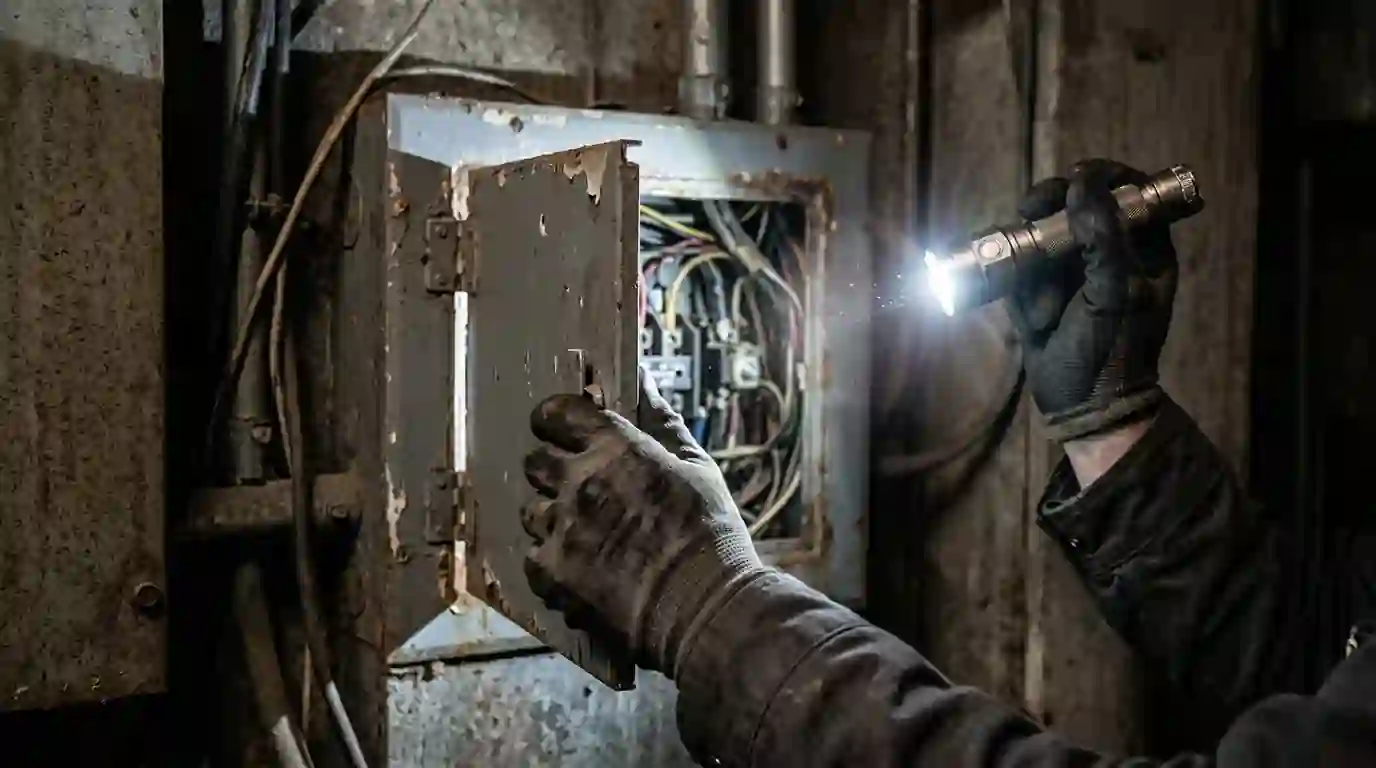
Dead animal removal is a locate-remove-treat service: the carcass is found by following odor gradients, fly activity and the warm hours of the day through walls, attics, crawl spaces, chimneys and under-deck zones; removed and bagged under proper protection; and the site treated with enzymatic deodorizers that break the odor compounds down rather than mask them. Small access openings are cut cleanly where a wall void demands it, and the visit ends with the real finding: how the animal got in, because every carcass call is an exclusion story with a sad ending.
What this covers
Finding it is the job
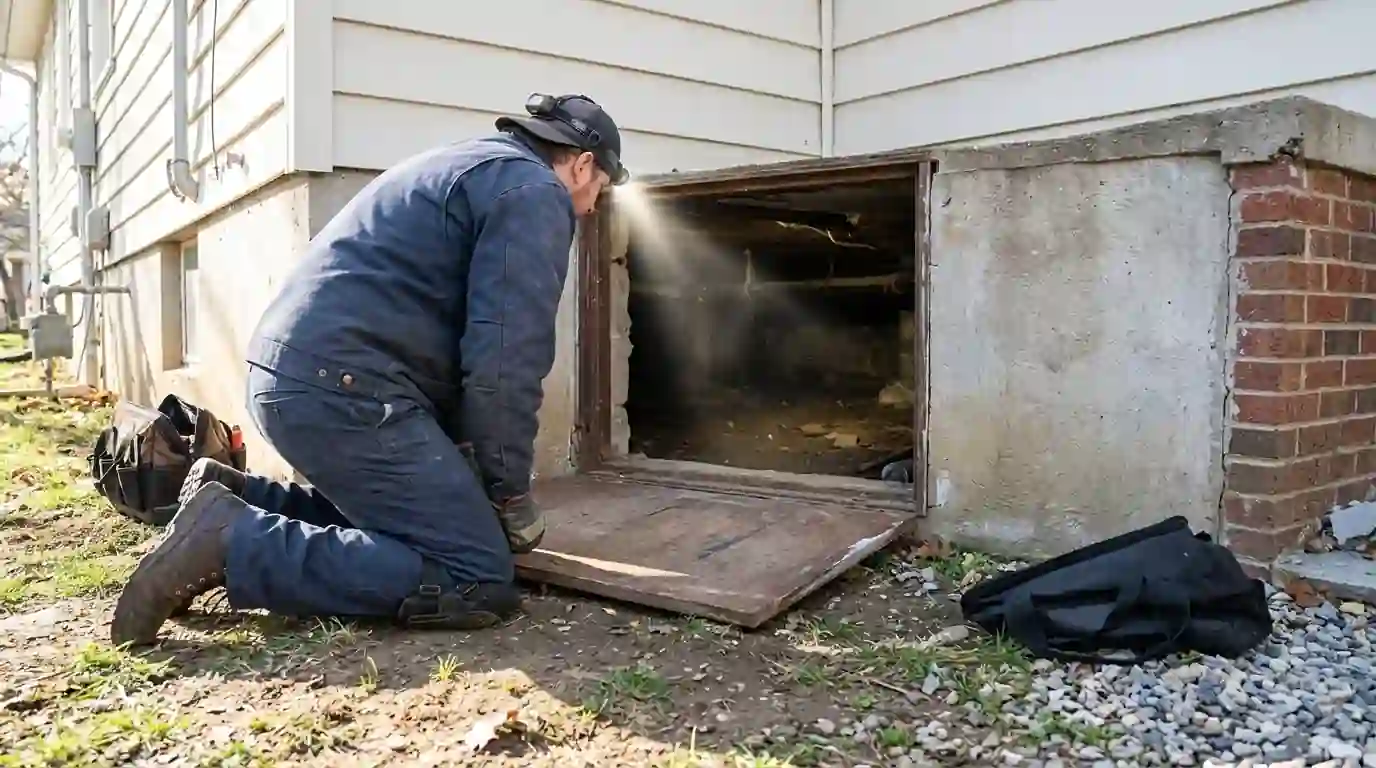
Carcass location is honest detective work. Odor pools and drifts, so we read it at its strongest hour, usually the warm afternoon, follow the gradient room to room, watch for the flies that always know first, and check the classic terminals: wall voids below attic runways, the chimney smoke shelf, the furnace plenum area, the crawl space corner nearest the smell. Wall finds get a small, clean access cut at the located point, a patchable opening rather than exploratory demolition.
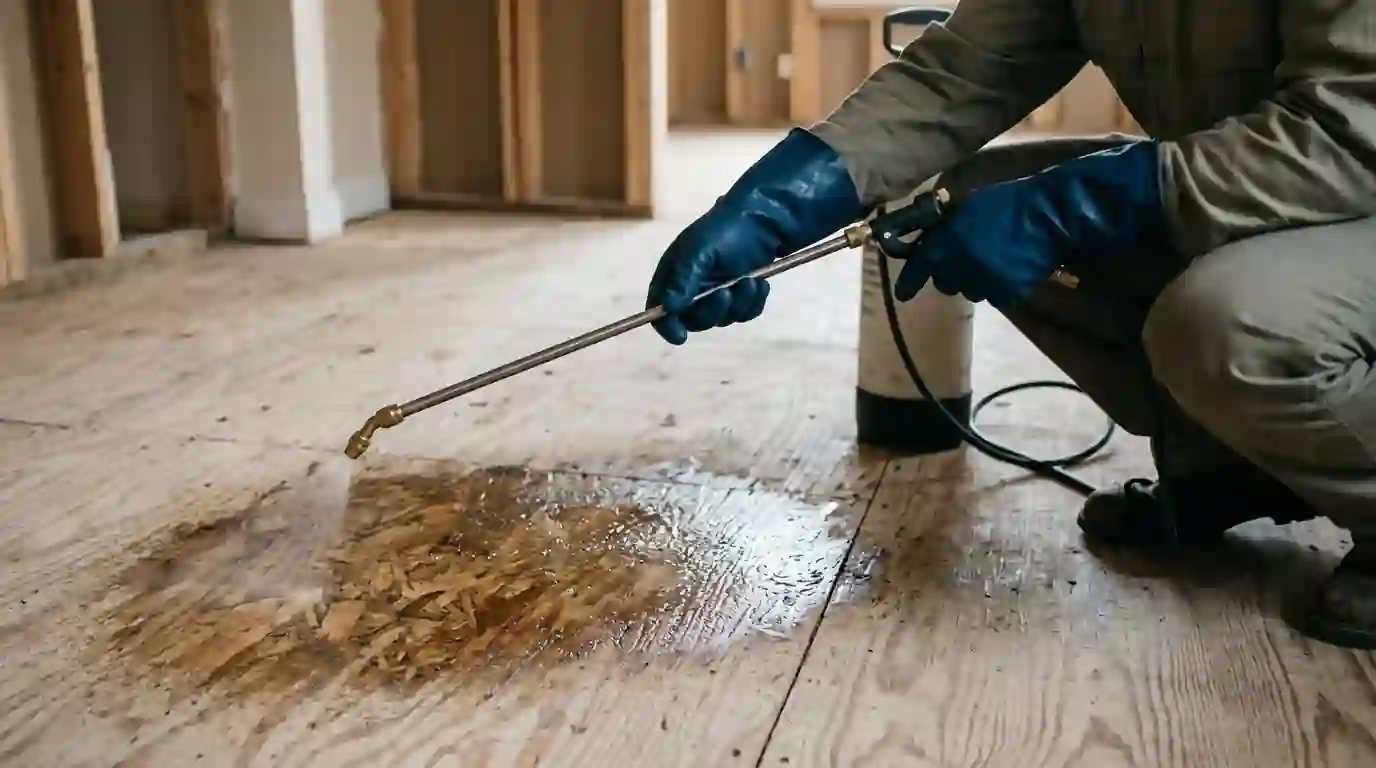
Removal and treatment finish it properly. The carcass and any soaked insulation or nesting bag out under glove-and-respirator protocol, the surface gets cleaned, and enzymatic treatment goes onto the affected materials to digest the odor compounds at their source; sealed-void situations sometimes add injected treatment where materials cannot be reached. Then the part that prevents the sequel: the gap, vent or route the animal used gets identified and quoted for sealing, because the carcass was the symptom and the opening is the disease.
Worth catching early
Reading the situation from the smell
A localized sweet-foul odor
Strongest at one wall or room and worse in warm afternoons: a void carcass, findable.
Flies clustering indoors
Blow flies at one window or ceiling area are pointing at the source; note the room and call.
Odor from the vents
Smell riding the HVAC usually means a carcass near returns, the plenum or ductwork, a find-it-today call.
Chimney smell after noises stopped
Scratching that ended followed by odor is the flue story; do not light a fire.
Crawl space drift at the floor line
Ground-floor smell strongest at registers and gaps points under the house.
After a poison job
Odor following a rodent-baiting effort is the known cost of that method, and exactly what this service cleans up.
How we match the job
Where they end up
- 01
Wall and ceiling voids
The classic mouse-or-squirrel find, accessed through a clean cut at the located point.
- 02
Attic and insulation finds
Carcasses and soaked material removed together, with the insulation honesty included.
- 03
Chimney and flue recoveries
Smoke-shelf and damper-area removals, finished with the cap that prevents the rerun.
- 04
Crawl space and under-deck
The low-clearance work nobody wants, done in proper gear with the den audit after.
- 05
Yard and exterior pickup
Larger wildlife on the property removed and the sanitation handled where it lay.
How a visit runs
How the call runs
- Phone triangulation
Where it is strongest, when it started, what noises preceded it; the map starts on the call.
- On-site gradient search
Odor, flies and warmth read through the suspect zones to a located point.
- Access and removal
The cleanest possible opening, the carcass and spoiled material bagged out under protection.
- Enzymatic treatment
Source-level deodorizing applied to the affected materials, injected where sealed.
- The entry verdict
How it got in, written down, with the sealing quote that ends the series.
Timeline
How long until the air is yours again
Location and removal are usually a single visit, with warm-afternoon scheduling when the odor is faint and elusive. Once the source and treatment are in, the smell drops sharply within a day and fades fully over several more as residual compounds break down; sealed-void cases with injected treatment run on the longer side of that curve. Untreated, for calibration, a mouse runs weeks of odor and a squirrel considerably more, which is the entire argument for the visit.
Local conditions
Why this matters in Belleville
This service exists in Belleville because the housing is old and the wildlife traffic is constant: balloon-framed walls and open chases in the pre-war homes give animals vertical routes and terminal voids, uncapped chimneys collect the unlucky, and the same fall rodent push that fills traps also ends badly inside walls every winter. Poison-first DIY rodent efforts are the other steady supplier, which is why our own rodent page leads with trapping. The calls cluster in winter heating season, when warm wall voids and furnace areas concentrate both the animals and, afterward, the evidence.
Pricing, plainly
What moves the price
Carcass jobs quote from your description and the hunt involved. The movers:
- Search complexity, pinpointed smell against whole-floor mystery
- Access work, from open attic to a cut-and-patch wall find
- Animal size, which drives contamination and treatment scope
- Soaked insulation or material removal
- Deodorizing treatment area and injected-void work
- Crawl space and chimney access conditions
- The exclusion quote for the entry that caused it
Figures referenced are published national ranges for context, not our quote. We price your job on the phone and confirm on site before any work starts.
Before you call
Questions we hear about this work
Nearly always, with nose, flies, warmth and patience; the located cut is small and square for easy patching. The genuinely rare miss gets the injected-treatment honesty rather than random demolition.
Eventually, after weeks you will not enjoy, with flies and beetles as the cleanup crew and the odor soaked into materials meanwhile. Removal plus enzyme treatment collapses that timeline to days.
We cut clean, square and patch-ready, and we will tell you upfront whether finishing is in our scope that day or a painter-sized patch; nobody gets surprised by the opening.
Carcasses and their fluids can carry pathogens and parasites, fleas abandoning ship included, which is why gloves, respirators and bagging protocol are standard. It is the right chore to outsource.
It is more urgent, since the HVAC is distributing it, and the search starts at returns, the plenum and nearby voids. Keep the system off if you can and call it in as a today job.
Same service with the deodorizing turned up: carcass removal plus the thiol-neutralizing treatment from our skunk page, since that smell outlives its maker impressively.
The entry verdict at the end of every job is the answer: seal the route with our exclusion work and trap rather than poison for rodents, and this becomes a page you never revisit.
Nearby problems
Jobs that often ride along
Read first: What mouse droppings tell you about the size of the problem.
Booked most weeks in: Mascoutah, Waterloo, Highland, St. Clair County, and the rest of our six-county area.
One call does it
Tell us where it is strongest and when it started
Room, hour and any noises that came before; the search plan is half-built by the end of the call.
(217) 207-0945Answered 24/7, every day