- Home
- Pest Control
- Fly Control
House flies, fruit flies and the drain breeders
Fly control that removes the breeding site, not just the fliers
Every fly problem is a breeding-site problem wearing wings. The adults you swat hatched somewhere specific: a drain's organic film, a forgotten potato, a trash pan, a carcass in a wall. Kill the fliers and more hatch tomorrow; find the site and the problem ends this week.
Call (217) 207-0945 Browse our services
- Species tells us where to look
- Drain bio-remediation included
- Carcass-source flies traced and removed
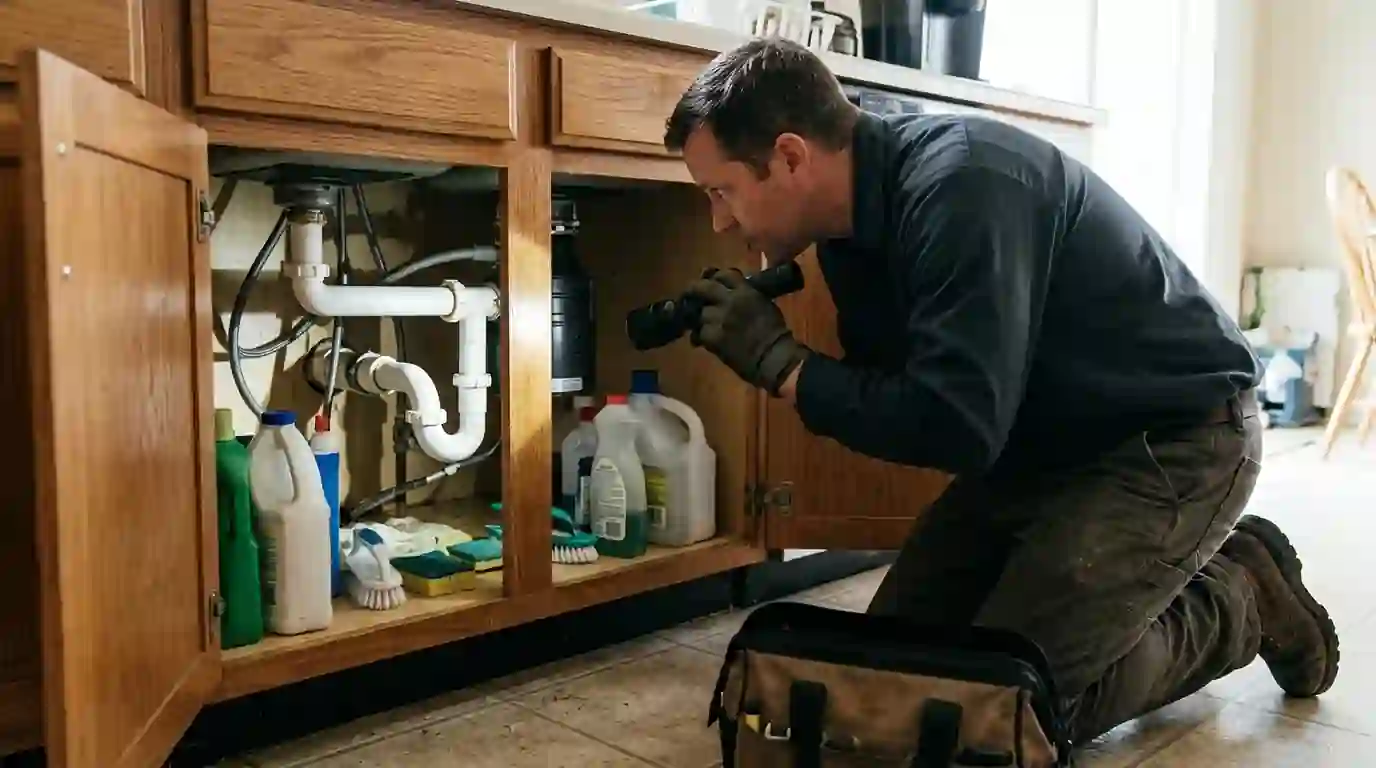
Fly control is identification followed by source removal, because each species names its own breeding site. Fruit flies mean fermenting produce or drink residue; drain flies mean organic film inside a drain or a broken pipe under a slab; house and blow flies mean garbage, pet waste or something dead; fungus gnats mean overwatered plants. The visit finds the site, treats or removes it, and uses targeted applications only to knock down the adult backlog. Big lazy flies in winter are their own story, and we handle that one too.
What this covers
Read the species, find the source
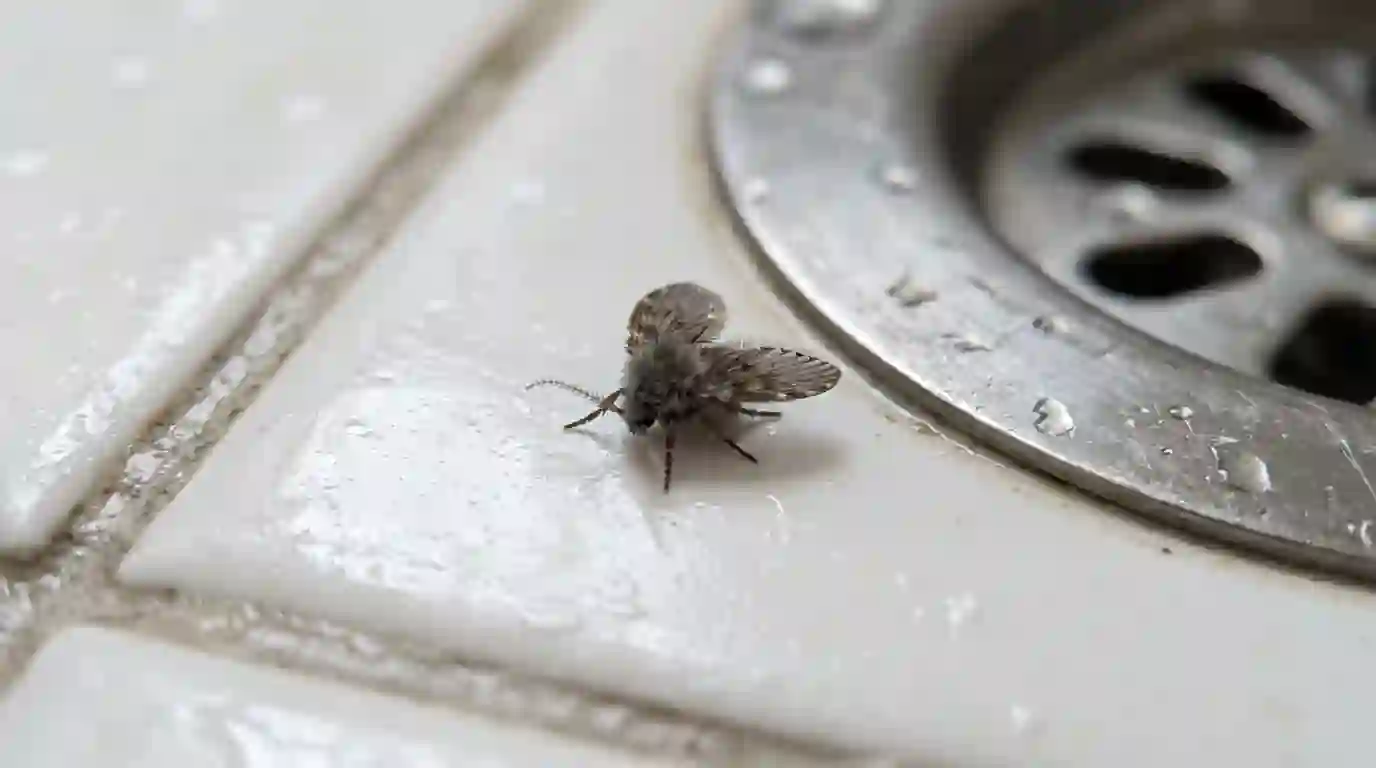
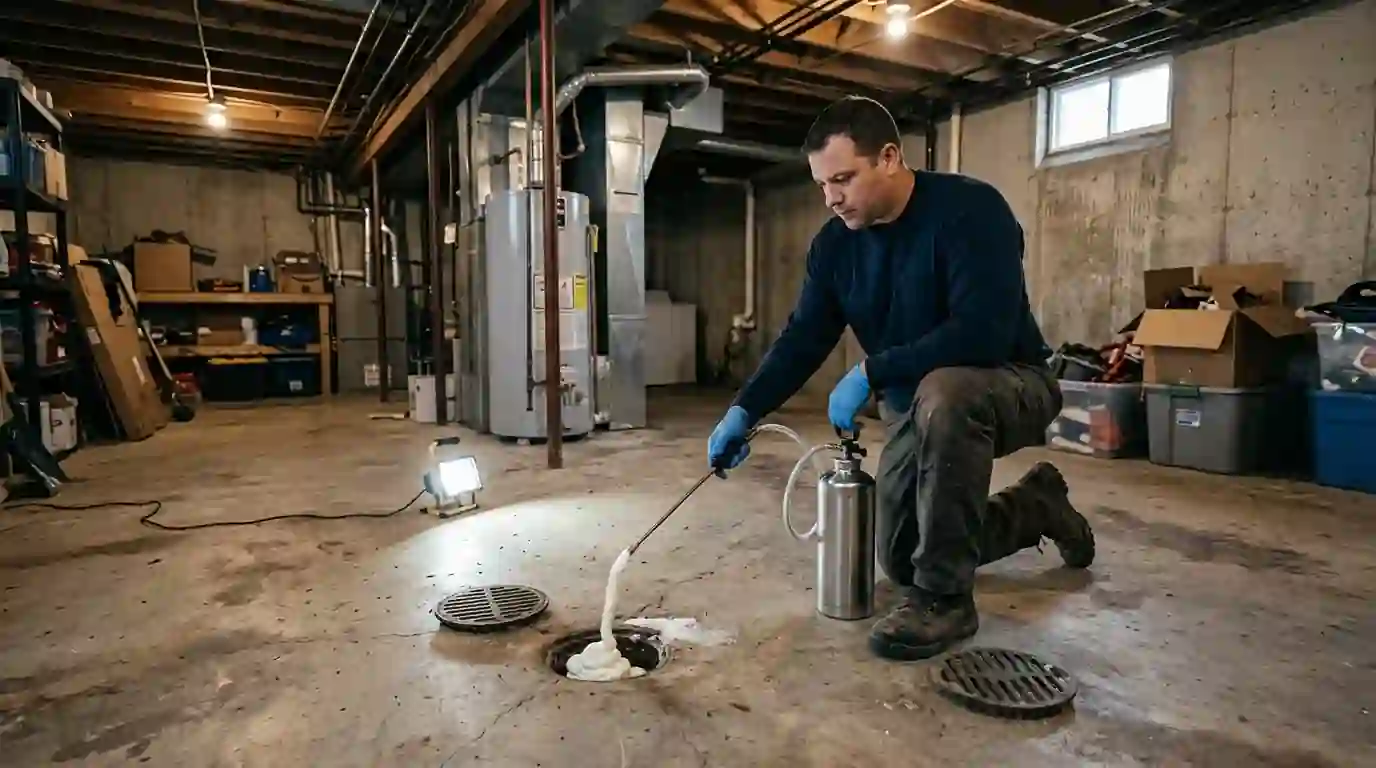
The small flies split cleanly. Fruit flies with red eyes hover over produce, drink spills and recycling residue, and die out days after the ferment is gone. Fuzzy moth-like drain flies rise from the film inside floor drains, seldom-used traps and, in stubborn cases, from a cracked line wetting soil under a slab; bio-remediation foam scrubs that film where no spray reaches, and a persistent single-drain problem earns an honest plumbing conversation.
The big flies tell darker stories. A sudden indoor crowd of house or blow flies usually means an unsecured waste source or a carcass, a mouse in a void, a bird in a chimney, and the service traces the smell and the cluster to the spot, removes it, and treats the space. Cluster flies, the slow buzzers at winter windows, overwintered in your walls from a late-summer entry and are handled like fall invaders: sealing and season timing, not futile winter sprays.
Pricing, plainly
What moves the price
Fly work quotes by species and source scope. The drivers:
- Species, since a fruit fly sweep and a carcass trace are different visits
- Drain count for bio-remediation programs
- Source accessibility when the breeding site sits in a void or chimney
- Deodorizing and cleanup after carcass removal
- Exterior sealing scope for cluster fly season work
- Recurring drain service for homes and businesses that need it standing
- Commercial kitchens, which run under the restaurant program instead
Figures referenced are published national ranges for context, not our quote. We price your job on the phone and confirm on site before any work starts.
How we match the job
The fly jobs by species
- 01
Drain fly programs
Floor drains, traps and sumps bio-foamed on a schedule; the slab-leak question raised when one drain refuses to stay clean.
- 02
Fruit fly response
Source sweep through produce, recycling and drink lines, with residue treatment that ends the cycle in days.
- 03
House and blow fly tracing
The carcass-or-waste hunt, resolved at the source and deodorized after.
- 04
Cluster fly seasonal work
Fall exterior sealing and barrier on the sunny walls they enter, with winter expectations set honestly.
- 05
Fungus gnat correction
Overwatered planters and damp crawl soil dried and treated, the gentlest fix on this page.
Local conditions
Why this matters in Belleville
Belleville fly pressure maps to age and season. The older homes downtown carry basement floor drains with decades of film, seldom-used traps that dry out and open sewer gas routes for drain breeders, and chimneys and voids where a trapped bird or mouse becomes a blow fly event. Humid summers run the fruit fly cycle at full speed, and every fall the cluster flies work the same sunny brick walls as the stink bugs. The species walking in your door tells us which Belleville problem your house has.
How a visit runs
How the visit runs
- Species identification
The fly names the search area before anything is opened or treated.
- Source hunt
Drains, produce, waste lines, voids and chimneys checked in the order the species suggests.
- Source removal or remediation
The ferment discarded, the drain foamed, the carcass extracted, the plant dried.
- Adult knockdown
Targeted treatment clears the backlog so the house is livable today, not just next week.
- Prevention notes
The drain schedule, sealing point or waste-handling change that stops the sequel, in writing.
Timeline
How fast it ends
Once the source is gone, the clock is biology: fruit flies fade in three to five days as the last adults die off, drain flies within a week of the film being scrubbed, house flies almost immediately after the source is removed. The visit itself usually finds the site the same day, including carcass traces, which follow the cluster and the air movement to the void in question. Cluster flies are the exception, ending at spring exit, which is why their fix happens the previous fall.
Before you call
Questions we hear about this work
That pattern is drain flies, and a drain that will not stay clean after treatment points to a breach wetting soil under the floor. We will tell you honestly when it has become a plumber's question, with our findings written down.
Something died in a void or chimney and the blow flies found it first; they always do. The trace-and-remove visit is exactly for this, and it is less awful than you are imagining.
Cluster flies, overwintering in your walls since late summer. Winter spraying is theater; the real fix is next fall's sealing and barrier, and we will book it for the right week.
Outdoors and away from the house, somewhat, as interception. Indoors they advertise rather than solve; nothing beats removing the breeding site.
Bleach runs past the film without stripping it, and the breeding layer survives. Bio-foam clings and digests it, which is the difference between a rinse and a cleaning.
House and blow flies move between waste and food surfaces, so a source indoors is worth treating promptly rather than tolerated. The fix is removal first, sanitation after.
Yes, under the food service program with scheduled drain remediation and documentation; that page has the kitchen-specific version of everything here.
Nearby problems
Jobs that often ride along
Restaurant & Food Service Pest Control
Dead Animal Removal
Cockroach Control
Silverfish & Occasional Invader Control
Commercial Pest Control
Booked most weeks in: Glen Carbon, Cahokia Heights, East St. Louis, Mascoutah, and the rest of our six-county area.
One call does it
Tell us what kind of fly and where
Small or large, where they gather, how long; the species usually hands us the source before we arrive.
(217) 207-0945Answered 24/7, every day