- Home
- Pest Control
- Bird Control
Dryer-vent starlings, ledge pigeons, drumming woodpeckers
Bird control for vents, signs, ledges and the woodpecker on the siding
Bird problems are architecture problems: the vent, ledge or sign that offered housing. Control is physical, guards, netting, spikes and slope, installed after any active nest is handled lawfully, because most native birds and their nests are federally protected. Done right, the structure simply stops being available, permanently.
Call (217) 207-0945 Browse our services
- Vent guards and netting installed
- Nest-season law respected
- Woodpecker programs with real fixes
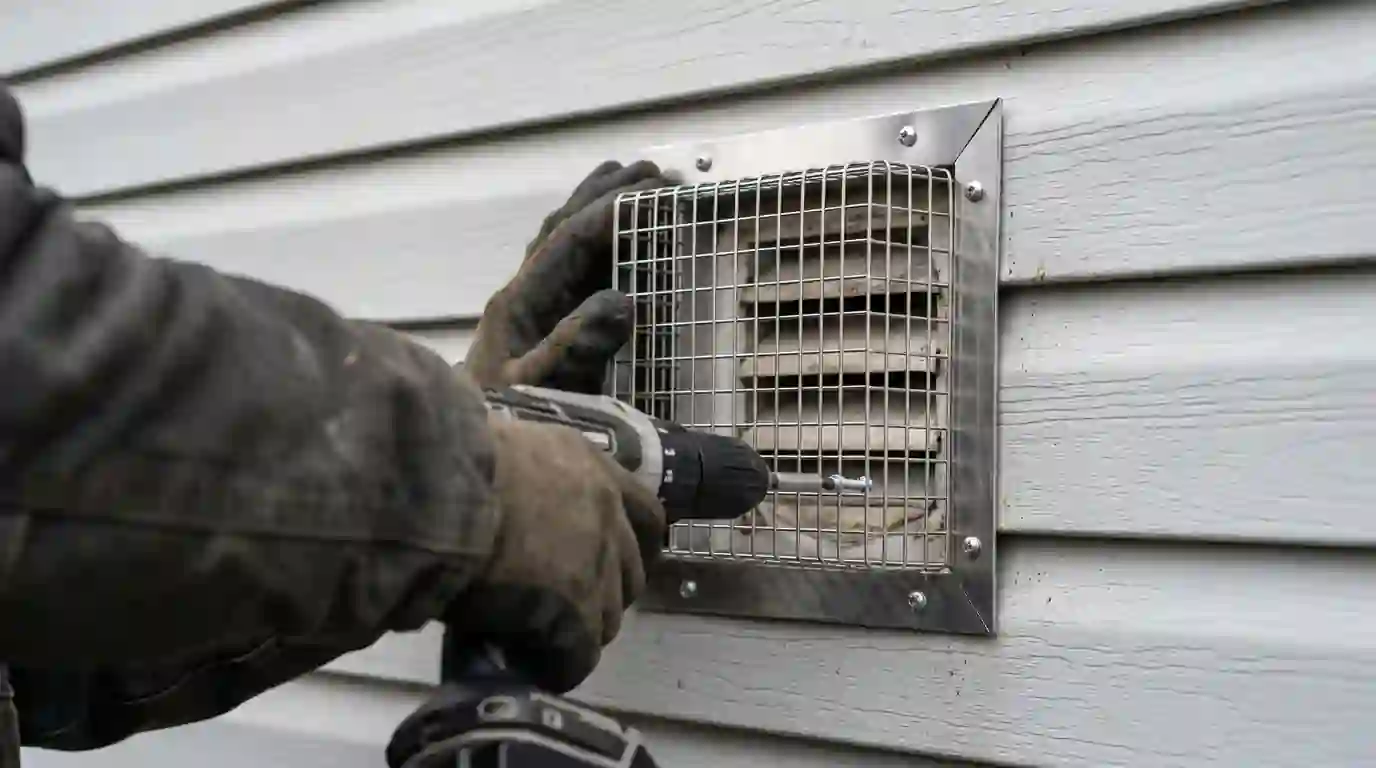
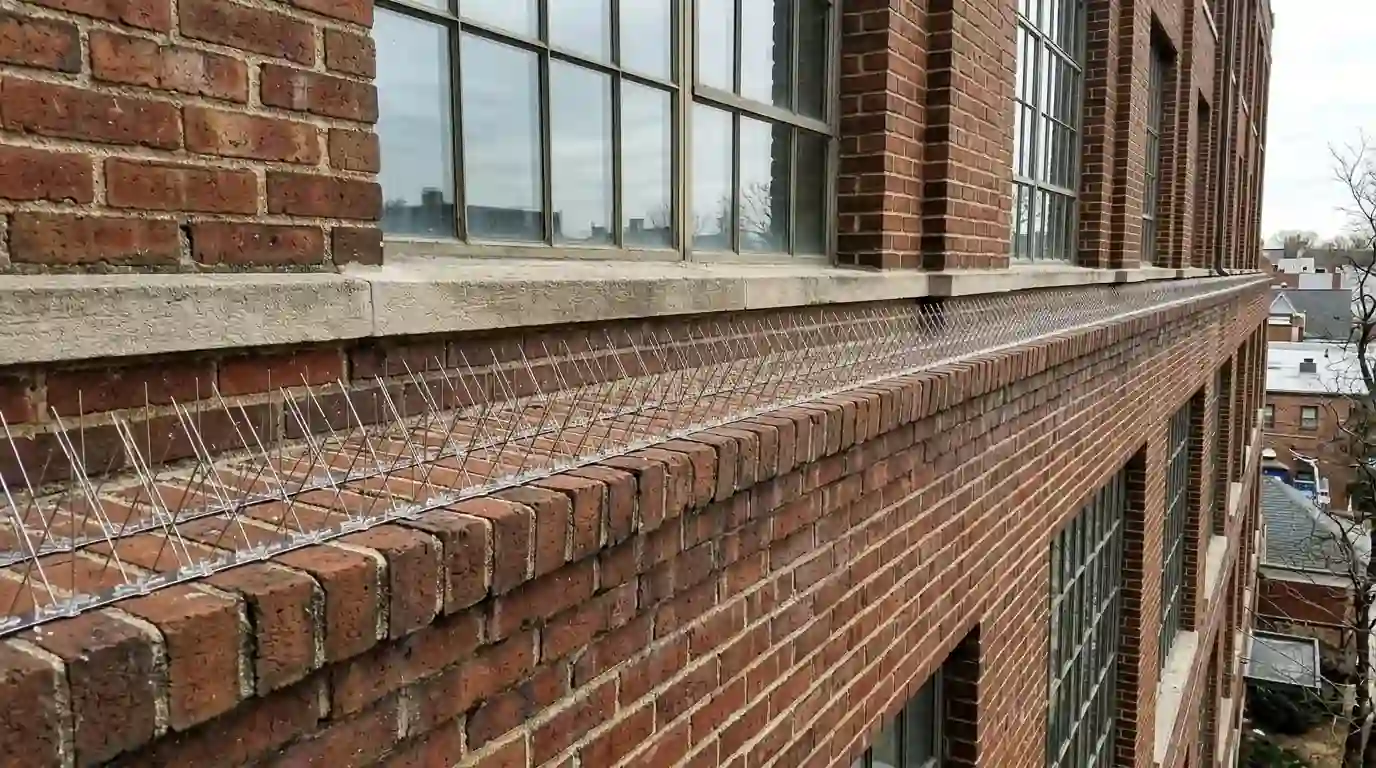
Bird control is exclusion hardware matched to the species and the spot: screened guards on dryer, bathroom and attic vents where starlings and sparrows stuff nests; netting that closes off porticos, canopies and loading areas; spike, wire and slope systems that retire pigeon ledges; and the woodpecker program of deterrents plus the siding repairs that remove the draw. Timing is legal reality: active nests of protected species constrain what can happen and when, and we schedule the work to the law rather than around it. Droppings cleanup, a histoplasmosis-grade chore at volume, is part of the service where roosts have run long.
What this covers
Hardware beats hope
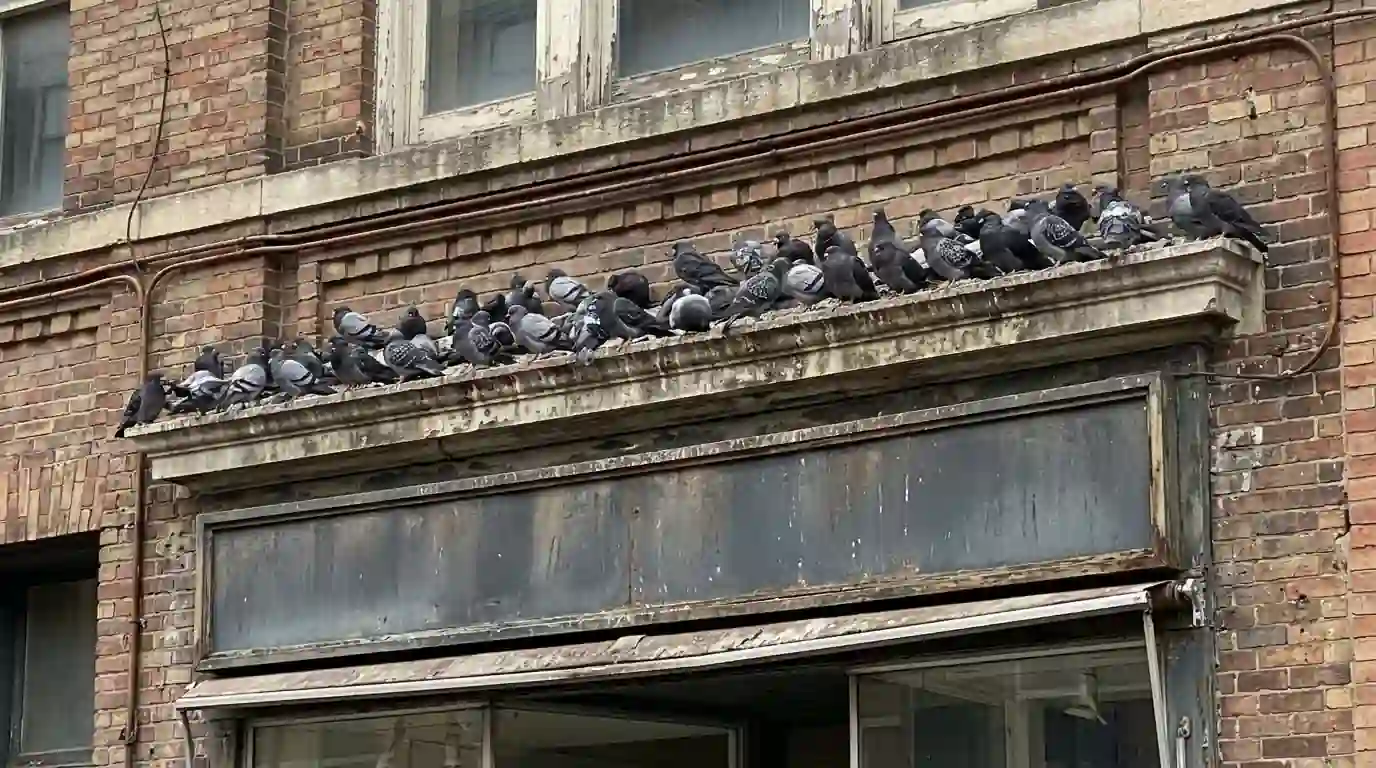
The repeat offenders assign themselves: European starlings and house sparrows colonize vents and soffit gaps, pigeons hold ledges, signs and bridge-adjacent buildings, and woodpeckers drum and drill cedar and wood-trim homes each spring and fall. Each gets a physical answer, quarter-inch-mesh vent guards after the duct is cleared, knotted netting tensioned to close volumes, spike and post-and-wire on ledges, with deterrent-only approaches reserved for where they genuinely suffice, because scare tape alone is a two-week product.
Law and biology set the calendar. Most native species and their active nests are protected under federal law, starlings, house sparrows and pigeons being the notable exceptions, so occupied native nests generally wait out the cycle while we seal everything else and schedule the final exclusion. Vent nests add a safety note: a starling nest packed into a dryer duct is a lint-fire accelerant and a blocked exhaust, which is why that version of this call gets treated with repair-shop urgency rather than birdwatching patience.
Pricing, plainly
What moves the price
Bird work quotes by the installation. The movers:
- Vent count and duct-clearing condition
- Ledge footage and the spike, wire or slope system chosen
- Netting area and the anchoring the structure allows
- Height and lift access on commercial work
- Nest-season sequencing when protected nests are active
- Woodpecker site count and the repair scope beneath
- Dropping cleanup volume at established roosts
Figures referenced are published national ranges for context, not our quote. We price your job on the phone and confirm on site before any work starts.
How we match the job
The bird work we install
- 01
Vent nest removal and guarding
Ducts cleared, dried and screened, the single most common bird job in town.
- 02
Pigeon ledge and sign programs
Spikes, wire and slope on the architecture downtown birds hold hardest.
- 03
Netting installations
Porticos, canopies, eaves and openings closed with tensioned knotted netting.
- 04
Woodpecker response
Deterrents at the drumming and drilling sites plus the insect-and-repair fixes underneath.
- 05
Roost cleanup service
Dropping accumulations removed under respiratory protection and the surface sanitized.
Local conditions
Why this matters in Belleville
Belleville's building stock writes its own bird map: the brick commercial blocks around the square carry the ledges, signs and cornices pigeons have held for a century, the residential miles of dryer and bath vents feed the spring starling rush, and the cedar-trim and wood-sided homes of the older neighborhoods take the woodpecker drumming every spring. The county's grain and field edges keep starling flocks large, so an unguarded vent here rarely stays vacant past April. Hardware installed once beats evictions repeated annually, which is the entire local argument.
How a visit runs
How the work runs
- Species and site survey
Who is using what, and the protection status that sets the sequence.
- Lawful nest handling
Exempt species cleared; protected actives scheduled around, in writing.
- Clearing and sanitation
Ducts, ledges and voids cleaned, with protection where droppings have accumulated.
- Hardware installation
Guards, netting, spikes and slope fitted to the specific architecture.
- Season-proof check
The rest of the structure walked so next spring finds nothing open.
Timeline
Timing and the nesting calendar
Hardware jobs are quick: most vent-guard visits finish in an hour or two, ledge and netting installs in a day. The calendar's friction is biological and legal, active protected nests generally ride out their few weeks before final exclusion, with everything else sealed meanwhile, and the right season for the permanent work is honestly late summer through winter, when structures are empty and next spring can be met already closed. Dryer-vent nests skip the queue for the fire-safety reason above.
Before you call
Questions we hear about this work
Yes, genuinely: a nest-packed duct is a lint-fire risk and a blocked exhaust. That version of this call gets fast scheduling, the duct cleared and dried, and the guard on the same visit.
Active nests of protected native species have to ride out their cycle under federal law, usually a few weeks, and we will say so straight. What we can do now is seal everything else and calendar the exclusion for the day it empties.
For about two weeks, which is why we install architecture instead: birds habituate to theater and respect hardware. Deterrents have supporting roles; they are never the plan.
Deterrents at the active sites, prompt patching of holes, and honesty about causes: drumming is territorial and seasonal, but repeated drilling in one board often means insects underneath, which is a different page of this site and we check for it.
At roost volume, yes, accumulated droppings can harbor histoplasmosis and attract secondary pests, so cleanup runs under respiratory protection and ends with sanitizing. It is a service, not a Saturday chore.
Modern knotted netting in a matched color, tensioned properly, reads as near-invisible from the street; the terrible look is sagging bargain mesh, which we do not hang.
That is pressure redistributing, and the honest answer is the survey priced the ledges worth protecting; we will extend the system to the next surface or tell you plainly when a partial install is just rotating the flock.
Nearby problems
Jobs that often ride along
Read first: Noises in the attic: a homeowner's guide to figuring out what moved in.
Booked most weeks in: Glen Carbon, Cahokia Heights, East St. Louis, Mascoutah, and the rest of our six-county area.
One call does it
Describe the birds and the spot they hold
Vent, ledge, sign or siding, and what species if you know it; the hardware and the calendar both come from that.
(217) 207-0945Answered 24/7, every day